
Unbiased headlines. Facts, not spin.
Every story is an unbiased news briefing written from 110+ sources across the spectrum — sources linked so you can verify it yourself.
 health
Breaking / Critical (9/10)
June 28, 2026 at 11:23 AM
health
Breaking / Critical (9/10)
June 28, 2026 at 11:23 AM
France Reports 1,000 Excess Deaths from European Heatwave, Toll Expected to Climb
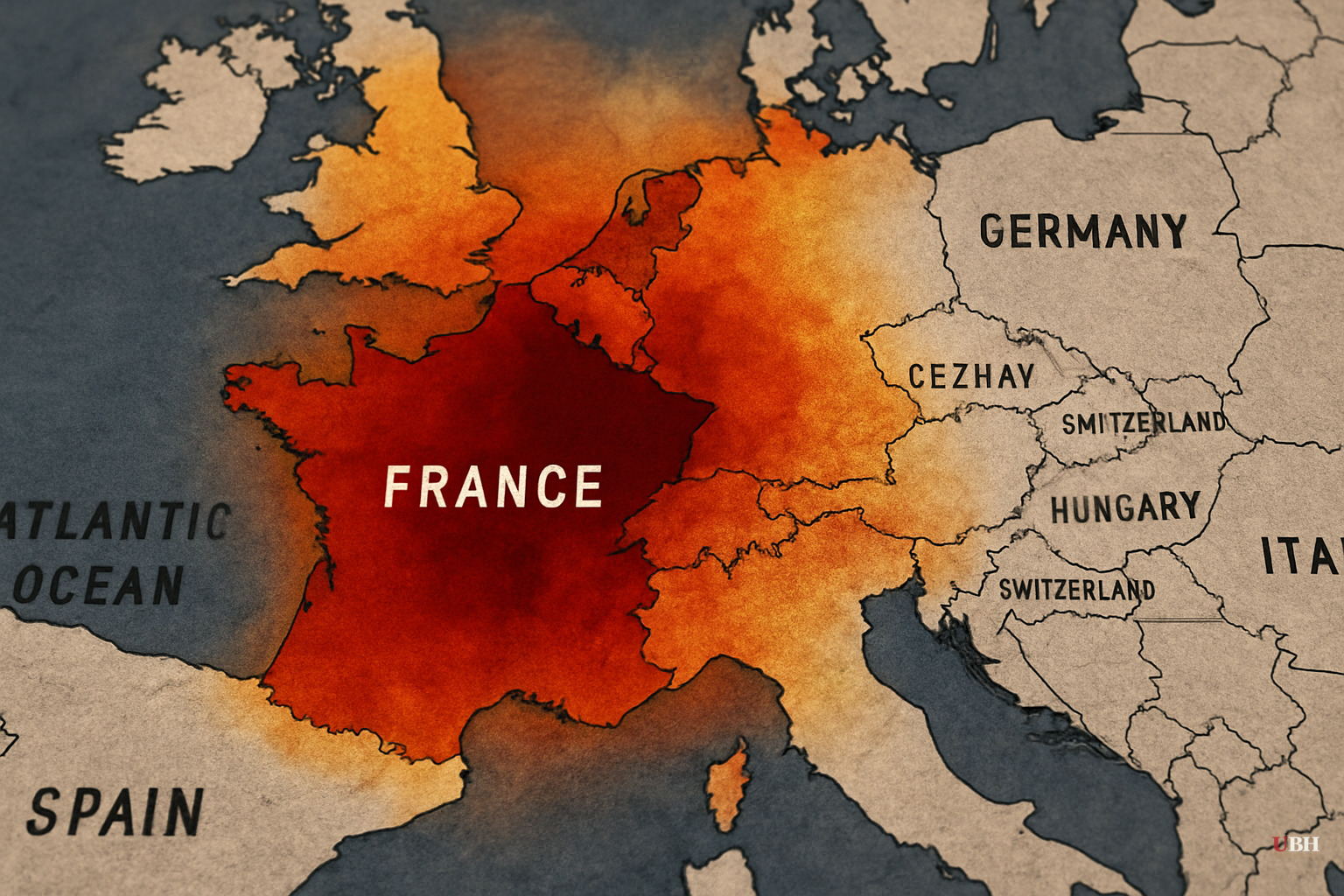
Since the heatwave began June 20, France has recorded approximately 1,000 excess deaths compared to normal mortality levels, according to Public Health France — the country's national health agency, Santé Publique France — which released the figures Sunday, June 28.
The agency stressed the number is preliminary and almost certainly an undercount. Deaths in residential care facilities and private homes are still being tallied, and the full picture won't be clear for days.
Who died and where
The majority of victims were 65 or older. In areas placed under the highest-level red heat alert, 85 percent of excess deaths involved people in that age group, according to AFP reporting cited by the Times of India.
The sharpest spike was among people who died at home, particularly in the Île-de-France region, which covers Paris and its suburbs. Public Health France noted that pattern highlights the need for measures of solidarity toward people who are isolated or experiencing profound loneliness, including in highly urbanised areas.
Hospitals in Paris remained under severe strain through the weekend, with nearly 3,000 people seeking emergency room treatment for a second consecutive day. That was roughly one-third above typical volumes, according to the Times of India.
Heat begins easing, but the danger isn't over
Temperatures exceeding 40 degrees Celsius hit large parts of France over the past several days. As of Sunday, the intense heat has begun easing across most of the country, according to French weather agencies. Some areas in the northeast remained under heatwave advisories.
French Health Minister Stéphanie Rist told La Tribune that the health impact could persist for as long as 10 days after the weather cools. "The episode is not finished," she told broadcaster BFM.
The Independent separately reported two children — ages 2 and 4 — died on Monday after being found unconscious by their mother in their family's car in Carpentras, southeast France. French police have opened an involuntary manslaughter investigation into those deaths. Reports of drownings across France also spiked throughout the week.
Records shattered across Europe
France and the UK broke June temperature records earlier in the week. Germany, Denmark, and the Czech Republic set all-time temperature records over the weekend, according to multiple sources. Switzerland recorded its hottest June day. Berlin saw temperatures reach 39 degrees Celsius on Saturday, June 27, prompting police to deploy water cannons at the Brandenburg Gate to cool crowds.
Scientists have called this the worst recorded heatwave in European history. They say it would have been virtually impossible without human-driven climate change, which has made this week's extreme nighttime temperatures roughly 100 times more likely than they were two decades ago, according to The Independent.
Katrin Göring-Eckardt, a German federal lawmaker and former parliamentary leader of the Green Party, posted on X: "This heat isn't pleasant summer weather. It's a health crisis."
The case for more aggressive preparedness
Critics, including public health advocates and climate scientists, argue France and other European countries are still structurally unprepared for heat of this magnitude. France enacted a national heat action plan after the 2003 heatwave killed roughly 15,000 people, yet 1,000 excess deaths accumulated in just days. If the pattern of undercounting seen in 2003 holds, the final toll could be substantially higher. The concentration of deaths among isolated elderly residents at home points to gaps in local social welfare outreach, not just individual behavior.
That concern is operationally grounded. Whether existing protocols are scaled appropriately for heat events now being made more frequent by climate change remains unresolved.
On the other side, French authorities did activate red-level alerts, open cooling centers, and mobilize hospital surge capacity. Whether those measures were adequately communicated and resourced is a separate question from whether they existed at all.
What comes next
Santé Publique France has indicated it will update the excess-death count as data from care homes and more remote areas comes in. Given Health Minister Rist's 10-day warning about lingering health effects, the official death toll from this heatwave will not be settled for days to come. Whether France and its EU neighbors accelerate structural changes to heat preparedness — building codes, care home cooling requirements, urban planning — is the policy question now sitting in front of European governments.
Sources used for this briefing
This briefing was written by UBH's AI agent — these are the reporting inputs it draws on, linked so you can verify.


