
Unbiased headlines. Facts, not spin.
Unbiased Headlines is an independently owned news organization. We bring you the facts, not opinions, written fresh from 110+ named sources. Sources linked so you can verify it yourself.
 health
Notable (6/10)
Four of Kennedy's Eight Task Force Picks Got Waivers to Keep Drug Stocks, While HHS Eases Peptide Enforcement
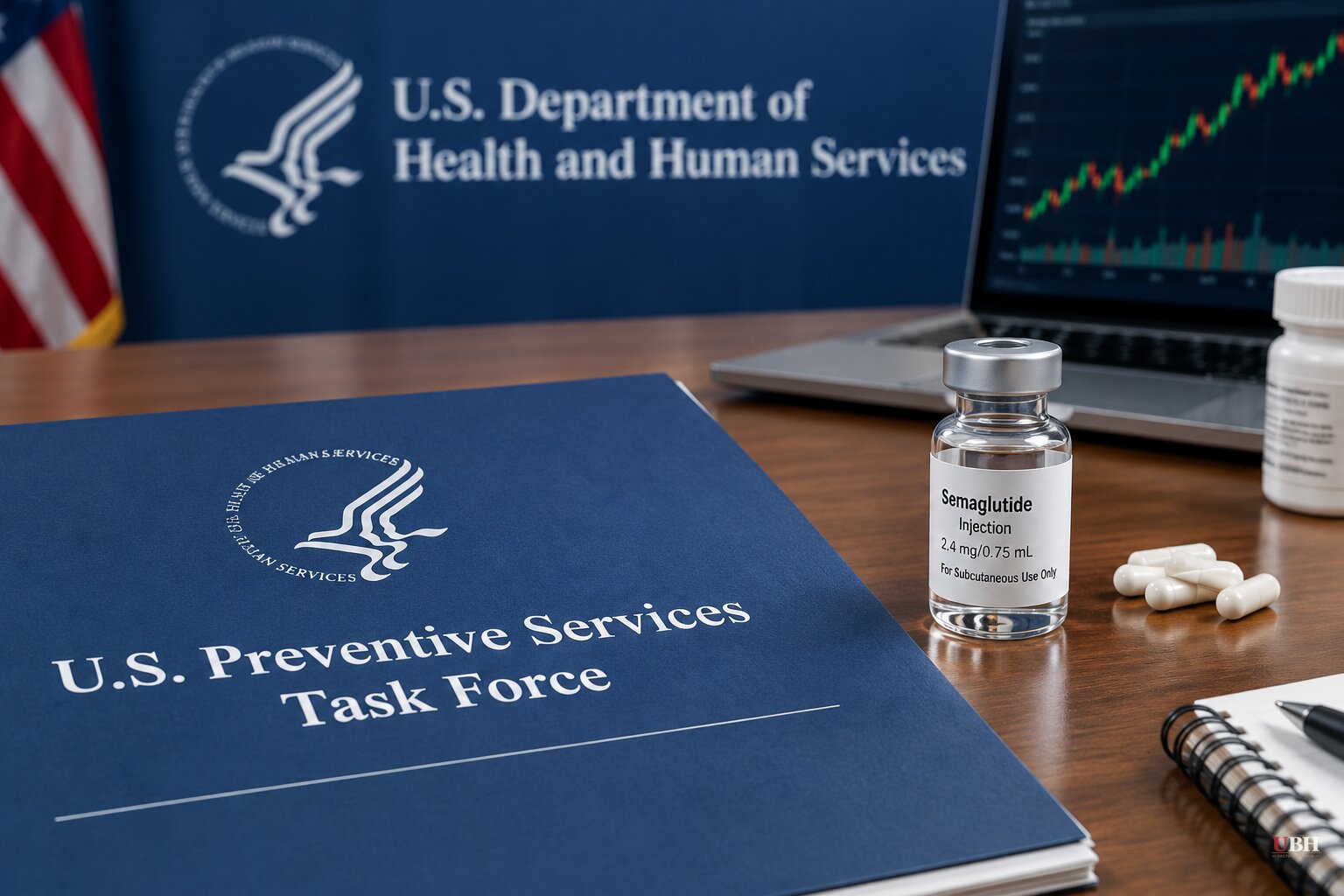
The U.S. Preventive Services Task Force decides which screenings and preventive drugs get a government-backed endorsement. Insurers have to cover what it recommends. Four of the eight people Health Secretary Robert F. Kennedy Jr. named to the 16-member panel in September were allowed to keep stock in companies whose products the panel can affect.
The New York Times obtained the conflict-of-interest waivers through an information request. The four members are pediatrician Patrick K. Hunter, cardiologists Ronald P. Karlsberg and Venkatesh L. Murthy, and diagnostic radiologist Dennis W. Wulfeck.
All four own shares in Eli Lilly and Johnson & Johnson, according to the Times. Between them, the four also hold Bristol Myers Squibb, Merck, Pfizer, Novo Nordisk, Cigna and CVS Health.
What the task force touches
The panel weighs the evidence on colonoscopies, depression screening and HIV prevention drugs, known as PrEP. Its recommendations shape what doctors order and what insurers must pay for. They can also affect how widely a drug or device gets used.
The Times reported that candidates were previously expected to sell such holdings or forgo appointment. That standard changed. No one has alleged that any of the four has made a decision to benefit a personal investment.
It is also unclear whether the four hold the stocks directly or through portfolios managed by someone else. That distinction matters for how much control a member has over what they own.
Former task force members told the Times the waivers could undercut the rigor of the panel's work and public confidence in it. Their concern is about appearance and incentives, not a documented act.
The strongest counterpoint is practical. Working physicians with broad portfolios will often own shares in large health companies, and a rule requiring divestment can shrink the pool of qualified candidates. Waivers are a formal tool for exactly that situation. The sourcing does not show what justification was given for each of the four.
HHS lifts enforcement on six peptides
On Oct. 29, HHS published a notice saying it will take no enforcement action against companies that produce and use six unapproved peptides while the FDA and other parts of the department consider permanent action. The six include BPC-157 and Epitalon. Fitness enthusiasts use peptides, and Kennedy has promoted them on podcasts.
The notice says Kennedy "has determined that this limited enforcement-discretion policy will discourage the continued, widespread use of certain research-use-only peptides supplied by foreign manufacturers that pose a safety risk to US patients." It also says the policy "advances patient choice and freedom while appropriately protecting patient safety."
An HHS spokeswoman told The Epoch Times the department is confronting black-market peptides. "The policy does not grant FDA approval or establish clinical safety and effectiveness," she said. "It requires patient-specific prescriptions, traceable ingredients, quality testing, and safety reporting to hold compounders accountable and give patients an alternative to unregulated sellers."
The timeline is not tidy. The FDA had listed five of the six peptides as substances with significant safety risks. Kennedy had that designation removed in the spring. The FDA then asked an advisory panel whether the peptides should go on the list of ingredients compounding pharmacies can use. The panel recommended all six. FDA staffers had opposed letting compounders make them over safety concerns.
The interim policy went to the White House earlier in October before it was made public.
The objection from outside HHS
The Collaborative for Evidence-Based Medicines said in a statement that bypassing the rulemaking process was concerning, in part because much of the data on these peptides comes from animal and laboratory studies. "Opening compounding to unapproved and poorly characterized peptides that FDA's own reviewers flagged for significant safety risks sidesteps the process designed to protect patient" safety, the group said.
HHS says the opposite: a regulated, prescription-only channel beats an unregulated market that already exists.
What comes next
No investigation or charge connected to either decision has been announced. The FDA says its peptide review continues, and HHS says officials can revisit the interim policy if safety or quality concerns emerge. Whether the department will publish the reasoning behind the task force waivers, or ever require those four members to divest, remains unanswered.
Sources used for this briefing
3 links from 3 independent newsrooms (syndicated copies of the same report count once)
These are the sources it draws on, linked so you can verify.


