
Unbiased headlines. Facts, not spin.
Unbiased Headlines is an independently owned news organization. We bring you the facts, not opinions, written fresh from 110+ named sources. Sources linked so you can verify it yourself.
 health
Notable (6/10)
England Logs Record 373,574 Cancer Diagnoses in 2024 While NHS Keeps Missing Treatment Targets
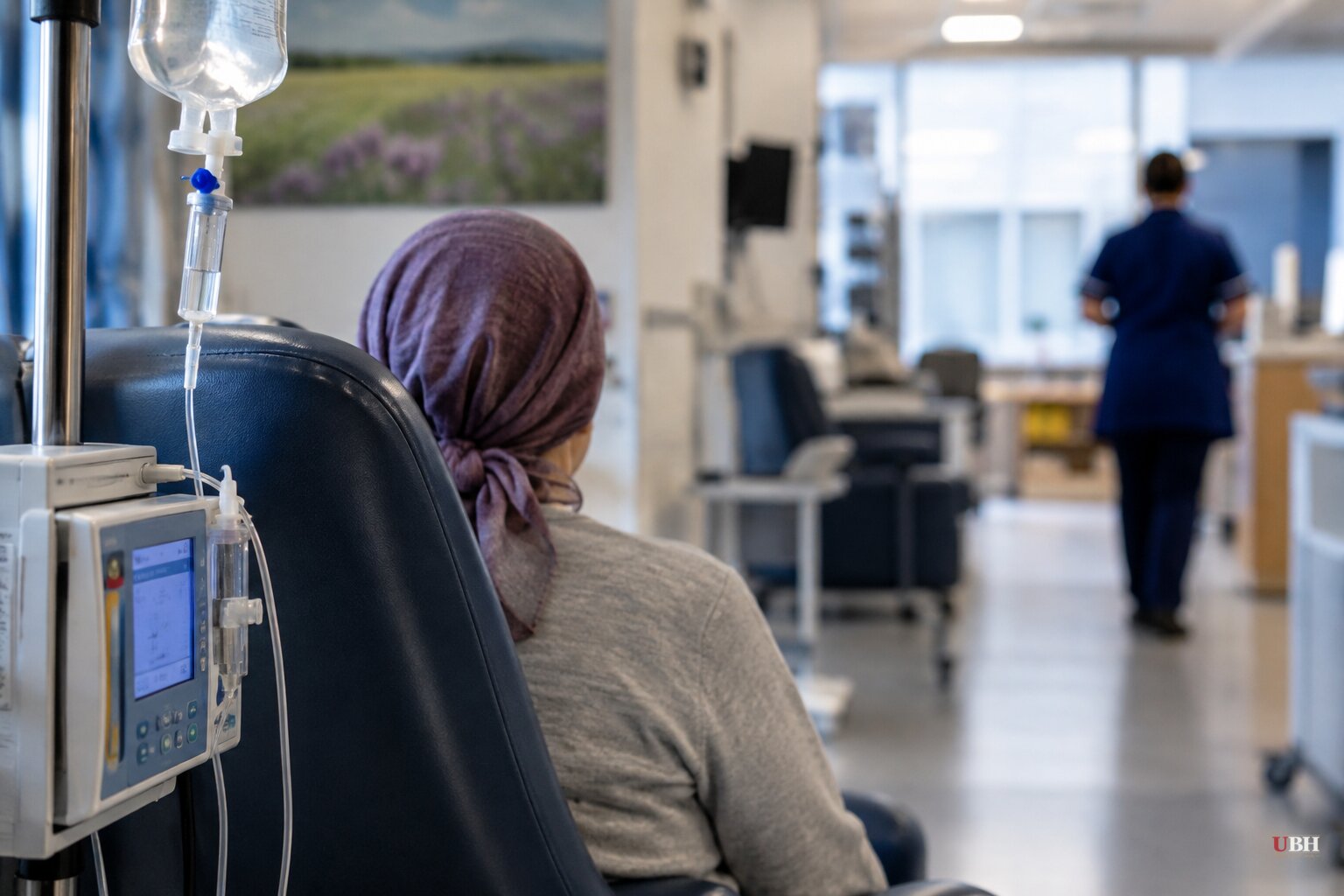
England diagnosed 373,574 new cancers in 2024. That is the highest annual total on record, according to NHS England statistics published today, Nov. 5.
It works out to 1,021 diagnoses a day, up from 972 a day in 2023. NHS England says it is the first time the daily average has topped 1,000 since current records began.
The total is 11,833 higher than in 2023. It excludes the most common skin cancers. Add basal cell and cutaneous squamous cell skin cancers and the 2024 count rises to 616,404.
What the numbers show
Prostate cancer was the most commonly diagnosed, with 61,115 cases, up 2,394 or 4.1% from 2023. That is roughly 167 a day.
Prostate, breast, lung and bowel cancers made up half of all diagnoses, excluding the common skin cancers.
There was one piece of clearly good news. In 2024, 56.7% of first new cancers were caught at stage 1 or 2, compared with 55.8% in 2023.
Prof Peter Johnson, the NHS national clinical director for cancer, said the figures show the service is "moving in the right direction." He credited staff and said teams are "taking tests and checks closer to the people who need them."
The targets are still being missed
More diagnoses is not the same as faster care, and the monthly performance data is where the NHS falls short.
In August, 78.6% of patients urgently referred for suspected cancer were diagnosed or had cancer ruled out within 28 days. The target is 80%. The figure was 79.3% in July.
The treatment gap is far wider. The latest monthly figures show 71.9% of patients began first treatment within 62 days of an urgent referral or consultant upgrade. The target is 85%. The Independent reports the 62-day target has not been hit since 2015.
The broader backlog is also growing. The overall NHS waiting list rose by 41,848 to 7.4 million in August, its fourth increase in five months.
What the charities and doctors are saying
Dr Ian Walker, executive director of policy at Cancer Research UK, said too many patients "are still being caught at a late stage." He pointed to the government's pledge in its national cancer plan for England to improve early diagnosis, waiting times and access to treatment. "It now needs to keep its foot on the pedal," he said, calling for "clear accountability" and a guarantee that the NHS gets the specialist staff and equipment it needs.
Steven McIntosh, chief partnerships officer at Macmillan Cancer Support, said "who you are and where you live can still have a significant impact" on cancer risk, speed of diagnosis and survival.
Sophie Dopierala-Bull of the charity CoppaFeel! noted that one in six women diagnosed with breast cancer is under 50. She said the NHS should find ways to identify younger women earlier and said breast cancer is "still treated too much like an older person's disease."
Dr Hilary Williams, clinical vice-president at the Royal College of Physicians and a consultant in medical oncology, called the 1,000-a-day figure "a stark reminder of the growing demand" on cancer services. She said an ageing population is an important factor, and pointed to obesity as a major and often overlooked one.
A rival explanation
Not everyone accepts that ageing and detection explain the rise. Nicolas Hulscher, an epidemiologist with the McCullough Foundation, argued in a Substack post that the increase reflects COVID-19 mRNA vaccination. He cited a 1.6% rise in age-standardised incidence as evidence that ageing alone does not account for the growth, and pointed to his own September article claiming mRNA shots could promote cancer through 35 mechanisms.
The NHS statistics themselves do not attribute the rise to any cause. The charities and clinicians quoted above name ageing, obesity and inequalities in access. Hulscher's post also offers no data linking individual 2024 diagnoses to vaccination status.
What comes next
The 2024 registration figures describe diagnoses made before the 2026 waiting-time data. They show demand climbing: diagnoses rose 3.3% in a year, according to Hulscher's calculation from the same release.
NHS England has not said how it will close the gap on the 62-day target, which sits 13 points below the 85% standard. Cancer Research UK is pressing the government to deliver on the cancer plan it has already promised.
Sources used for this briefing
7 links from 6 independent newsrooms (syndicated copies of the same report count once)
These are the sources it draws on, linked so you can verify.


