
Unbiased headlines. Facts, not spin.
Every story is an unbiased news briefing written from 110+ sources across the spectrum — sources linked so you can verify it yourself.
 finance
Major Story (7/10)
June 24, 2026 at 10:37 PM
finance
Major Story (7/10)
June 24, 2026 at 10:37 PM
Former Tricolor COO Pleads Guilty to Six Fraud Counts, Agrees to Testify Against Founder Daniel Chu
The Plea
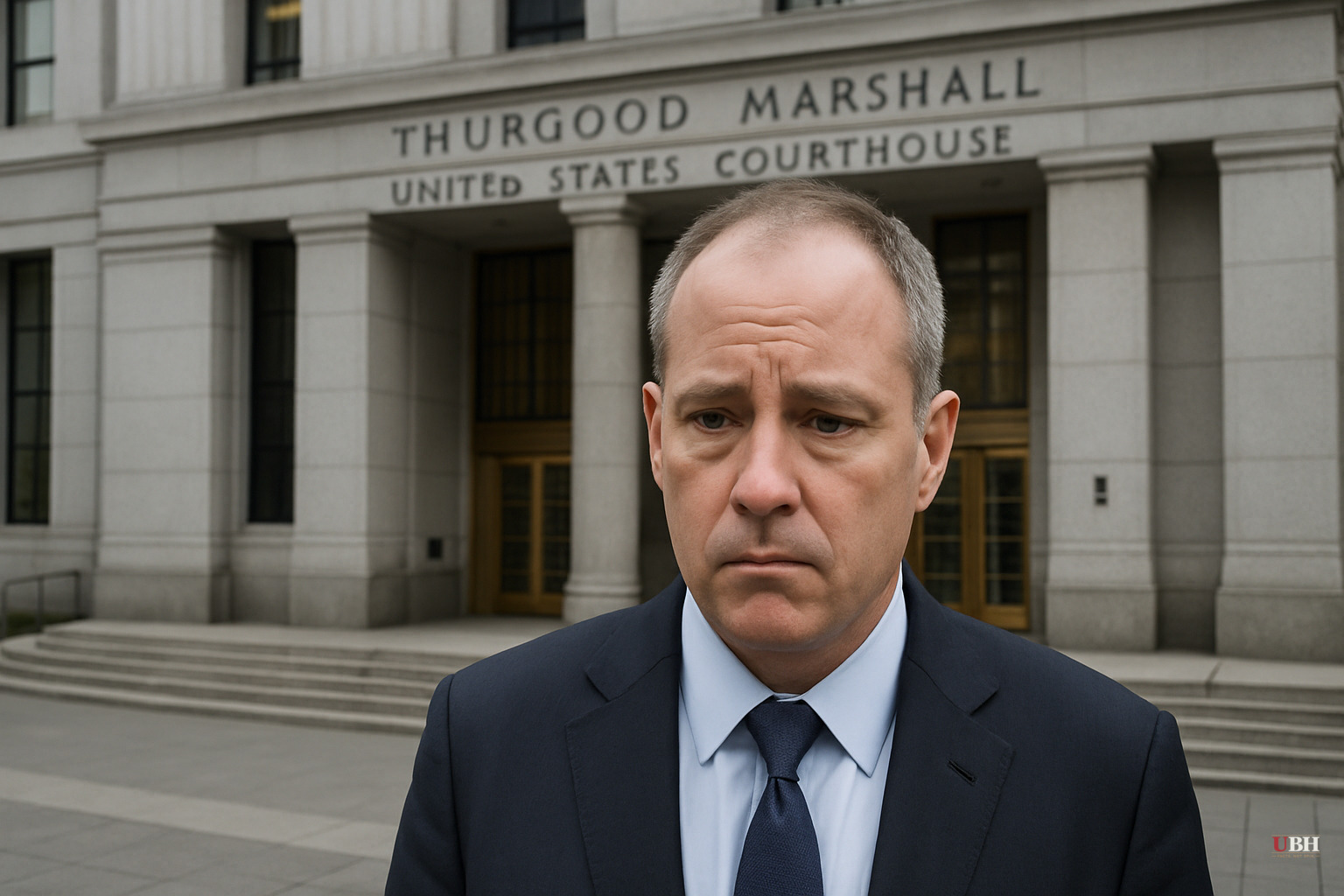
David Goodgame walked into federal court in the Southern District of New York on June 24 and pleaded guilty to six fraud and conspiracy counts connected to the collapse of Tricolor Holdings, the now-bankrupt used-car dealer and subprime auto lender.
"I knew that Tricolor was deceiving and defrauding the banks," Goodgame told U.S. District Judge Kevin Castel, according to Bloomberg News. He said he was aware that company executives were manipulating data, and that he raised those concerns directly with Tricolor founder Daniel Chu.
The most serious charges Goodgame admitted to carry a maximum sentence of 30 years in prison. He has agreed to cooperate with federal prosecutors and could testify against Chu at trial.
What Prosecutors Say Happened
According to prosecutors, Tricolor executives acting at Chu's direction ran a scheme built on "double-pledging" collateral — counting the same assets twice — and presenting "near-worthless" assets as legitimate backing for bank loans.
The alleged gap is substantial. A month before Tricolor filed for bankruptcy in September 2025, prosecutors claim the company actually held roughly $1.4 billion in collateral while telling its lenders it had $2.2 billion. That is an $800 million discrepancy.
Three major banks are on the hook. JPMorgan Chase, Barclays, and Fifth Third Bancorp have each said they face hundreds of millions of dollars in losses from revolving lines of credit they extended to Tricolor, according to Bloomberg News.
Where Chu Stands
Chu has pleaded not guilty. His attorney's position deserves a fair hearing: Tricolor operated for years across more than 60 locations in the U.S. southwest, serving a subprime borrower base that mainstream lenders largely ignore. If Chu's defense argues that business conditions deteriorated and that a collateral shortfall resulted from market forces rather than deliberate fraud, that is a factual question a jury will have to resolve.
Prosecutors filed additional charges against Chu on June 24, the same day Goodgame entered his plea. Chu is scheduled to go to trial October 19. The case is U.S. v. Chu, 25-cr-00579, U.S. District Court, Southern District of New York.
Two other former Tricolor executives have already pleaded guilty and are cooperating with federal prosecutors. That means three cooperating witnesses — potentially including Goodgame — could testify against Chu.
A Broader Pattern in Auto Finance
Tricolor's implosion sits inside a larger story about risk assessment in commercial lending. Bloomberg News noted that Tricolor's collapse preceded a bigger failure at First Brands Corp., an auto parts manufacturer that also went bankrupt amid fraud allegations and similarly produced criminal charges.
The question regulators and bank shareholders are now asking is straightforward: how did three sophisticated financial institutions extend hundreds of millions of dollars in revolving credit without catching an $800 million collateral gap?
That question does not have a comfortable answer. Revolving credit facilities tied to asset-based collateral are supposed to include regular borrowing-base certificates and lender audits. If the collateral reporting was falsified, the internal controls failed. If banks skipped or skimped on those audits, that is a bank management problem on top of the alleged fraud. Banks are not purely passive victims, and the pending bankruptcy proceedings will determine how much they actually recover.
What Comes Next
Goodgame's sentencing date has not been announced as of June 24. Cooperation agreements typically require defendants to testify truthfully before sentencing is considered, which means his cooperation value to prosecutors will likely be assessed during — and possibly after — the Chu trial.
The Chu trial date of October 19 is the next hard deadline in this case. With three cooperating insiders already on record, federal prosecutors in New York go into that trial with a significant structural advantage. Whether Chu's defense can establish reasonable doubt about intent, or shift blame to operational chaos rather than deliberate direction, will define the outcome.
Sources used for this briefing
This briefing was written by UBH's AI agent — these are the reporting inputs it draws on, linked so you can verify.


