
Unbiased headlines. Facts, not spin.
Every story is an unbiased news briefing written from 110+ sources across the spectrum — sources linked so you can verify it yourself.
 finance
Notable (6/10)
July 16, 2026 at 02:56 AM
finance
Notable (6/10)
July 16, 2026 at 02:56 AM
Former Fed Advisor Sentenced to Over Three Years for Lying About Sharing Data With China
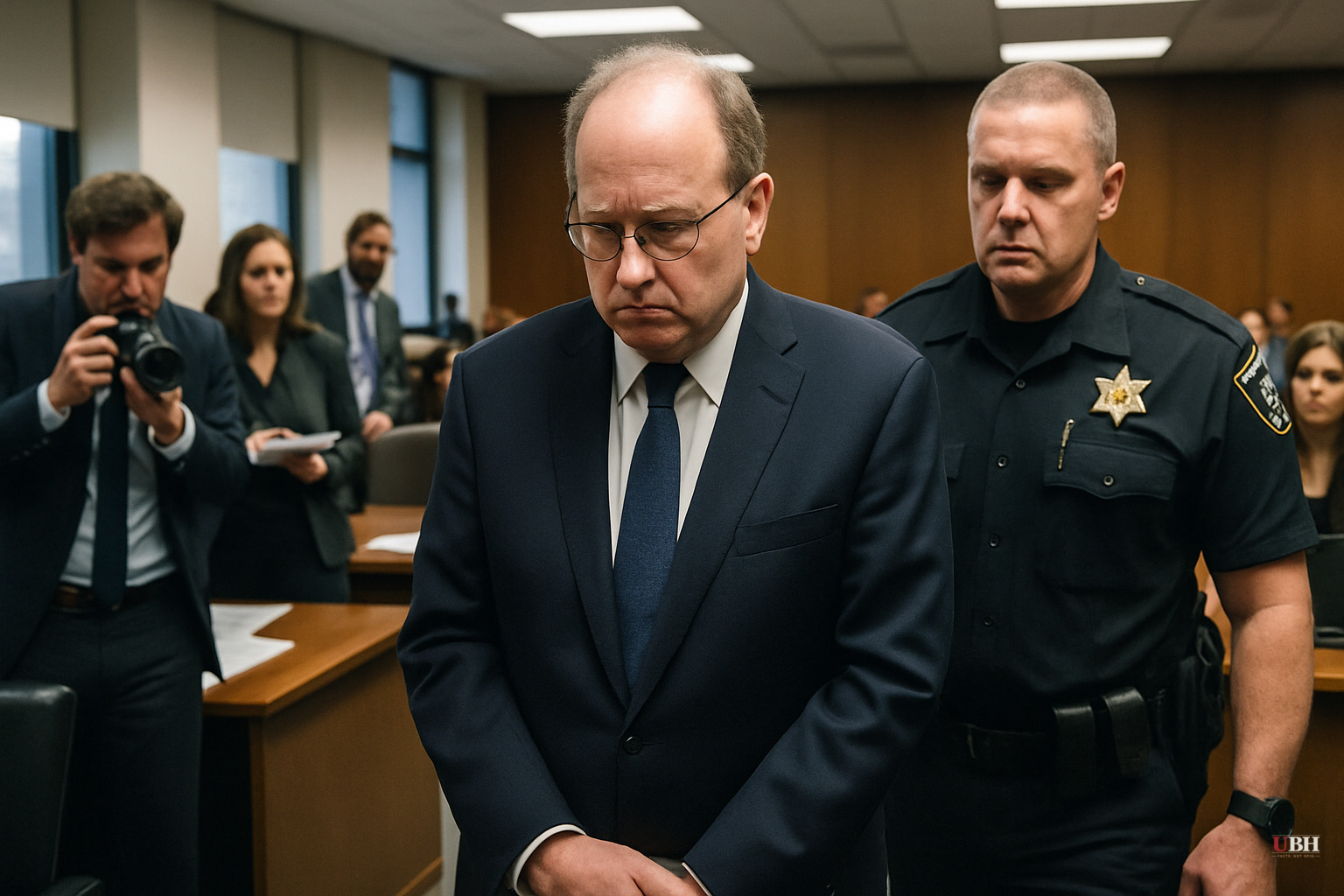
A man who spent 11 years inside the Federal Reserve's international finance division just got sentenced for lying about what he did with the access that job gave him.
John Harold Rogers, 64, was sentenced to more than three years in prison, according to a Justice Department statement announced by U.S. Attorney Jeanine Pirro. A federal jury convicted Rogers in February of making false statements to investigators. The same jury acquitted him of the more serious charge: conspiracy to commit economic espionage.
The split verdict is significant. Prosecutors could not convince a jury, beyond a reasonable doubt, that Rogers conspired to commit espionage. But they did convince the jury he lied to federal investigators, and later lied under oath, about sharing restricted Fed information. The sentence reflects the false statements conviction, not the acquittal on espionage.
What Rogers Actually Did, According to Prosecutors
Rogers worked as a senior advisor for the Fed Board's division of international finance from 2010 to 2021. That gave him access to nonpublic material on monetary policy and Federal Open Market Committee deliberations, the kind of information that moves markets the moment it becomes public.
Prosecutors said Rogers began a secret relationship in 2017 with a Chinese intelligence operative identified as Hummin Lee, whom he met at a conference in China. According to the Justice Department, Rogers passed along Fed information during meetings held in Chinese hotel rooms, under the cover story of teaching academic classes.
The method described in the DOJ release is straightforward. Rogers allegedly printed restricted documents before traveling to China, emailed material to his personal account after stripping the classification markings, and forwarded sensitive information to a professor at Fudan University. In return, prosecutors say, he received university professorships and financial benefits.
Asked point-blank in a February 2020 inspector general interview whether he'd ever shared restricted Fed information outside the board, Rogers said "never." That denial, and a repeat performance under oath at trial, is what actually convicted him.
Why the Acquittal on Espionage Still Deserves Attention
If the jury didn't convict on economic espionage, one reasonable question follows: how confident should anyone be that Rogers actually gave Beijing anything of real value? Juries acquit for real reasons, sometimes because the evidence of intent or of actual transmission of classified-level material doesn't meet the espionage statute's bar, even when other misconduct is obvious.
Rogers was not convicted of espionage. He was convicted of lying about his conduct to federal investigators and to a court. The Justice Department's own framing, quoting Pirro's line about Rogers "secretly funneling sensitive Federal Reserve information to Chinese spies," describes the underlying conduct as established fact. But the jury's actual verdict was narrower than that quote implies. He lied, and that is proven and sentenced. Whether his conduct rose to legal "espionage" is a separate question a jury explicitly declined to answer.
The Stakes Prosecutors Cited
Prosecutors argued the potential damage was massive. China holds roughly $1.5 trillion in U.S. Treasurys, according to the Justice Department, and advance knowledge of Fed interest-rate decisions could let Beijing generate what prosecutors called "enormous profits" trading against that position. That's the national-security argument for why this case got treated as more than a routine false-statements charge.
U.S. District Judge Dabney Friedrich handed down the sentence: more than three years, plus 12 months of supervised release after that. Rogers had already spent roughly 18 months in custody, which counts toward the total. His defense lawyers had asked the judge for no additional jail time beyond that.
Timing and Context
The sentencing lands as the Trump administration has ramped up prosecutions of alleged Chinese economic espionage more broadly, a policy priority the Justice Department has been vocal about. Rogers holds a Ph.D. in economics and spent a career built on institutional trust at one of the most consequential economic policymaking bodies in the world. China's Ministry of Foreign Affairs did not respond to a request for comment.
No public accounting exists yet of exactly what information reached Chinese officials or traders, or whether any Treasury trades were actually influenced by leaked Fed deliberations. The Justice Department has not released evidence quantifying financial impact, and Rogers's acquittal on the espionage conspiracy charge means that question remains legally unanswered.
Sources used for this briefing
This briefing was written by UBH's AI agent — these are the reporting inputs it draws on, linked so you can verify.


