
Unbiased headlines. Facts, not spin.
Every story is an unbiased news briefing written from 110+ sources across the spectrum — sources linked so you can verify it yourself.
 finance
Low Interest (4/10)
August 12, 2026 at 03:04 PM
finance
Low Interest (4/10)
August 12, 2026 at 03:04 PM
Foreign Investors Poured $1.43 Billion Into South African Bonds in Early August, JSE Data Shows
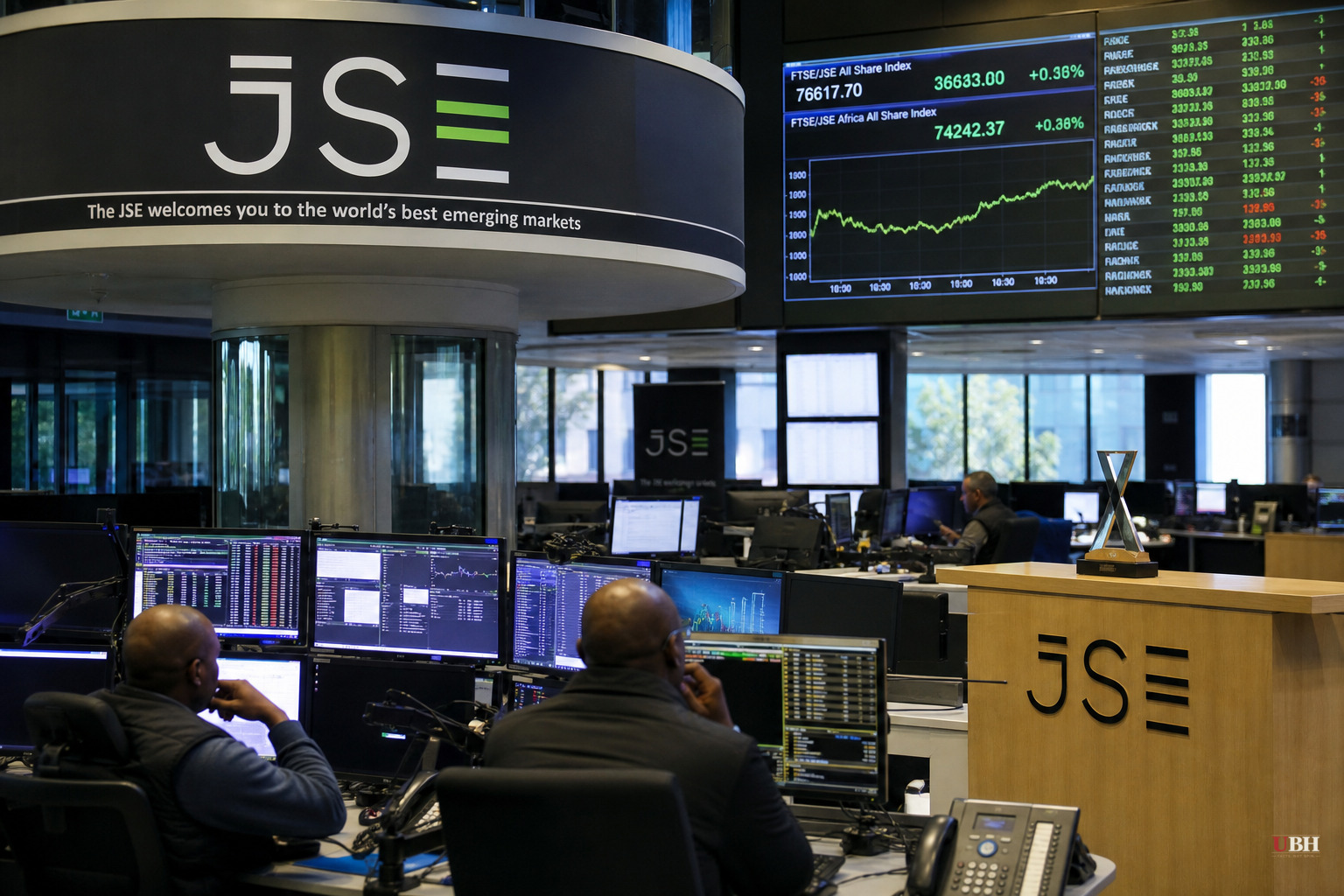
Foreign traders bought a net 23.1 billion rand, about $1.43 billion, of South African government bonds in the first week of August, according to JSE Ltd. data reported by Bloomberg. That's the largest weekly inflow since January.
The trade in question is called carry: borrow dollars cheap, park the money in a currency paying a higher yield, pocket the spread. Right now South Africa is winning that game. Bloomberg reports traders have earned 2.5% on the dollar-funded rand carry trade so far in August, the best return among 22 emerging-market currencies it tracks.
The backstory matters. South African bond yields spiked to six-month highs back in March, when the Iran war pushed oil prices up and stoked inflation fears everywhere, including in Pretoria. The 10-year yield has since fallen more than 80 basis points to around 8.57%, as crude prices cooled and the rand gained strength.
That 8.57% yield is still well above February's decade-low of 7.95%. Adam Furlan, a portfolio manager at Ninety One SA Ltd., told Bloomberg that continued rand appreciation could price out more of the inflation risk baked into yields since oil prices jumped. In plain terms: if the currency keeps strengthening, bond prices have room to run further.
The rand itself has climbed 5% against the dollar since the end of March. Bloomberg attributes that to a hawkish South African Reserve Bank defending the currency's yield advantage over the dollar, which in turn is what makes the carry trade work in the first place.
There's also a volatility signal worth flagging. Implied volatility for the rand against the dollar over the next year dropped below realized volatility this week, the first time that's happened in three years, according to Bloomberg. Options traders betting on calmer price swings heading into 2027 is itself a vote of confidence, because lower expected volatility makes the carry trade less risky and more attractive to leveraged funds.
American interest-rate expectations are playing a role too. Ning Sun, a senior emerging-markets strategist at State Street in Boston, told Bloomberg that easing concerns over Federal Reserve rate hikes are helping the rand. Markets are currently pricing roughly a 50% chance of a quarter-point Fed hike next month, compared with a 68% probability of a similar move from the South African Reserve Bank. That gap, a South African central bank more likely to hike than the Fed, is exactly what keeps the carry trade profitable.
A hot week of bond inflows is not evidence that South Africa's underlying economy is fixed. The country still deals with chronic power problems, high unemployment, and a government debt load that's been a persistent drag on investor confidence for years. What's happening here is a trade driven by interest-rate math and oil-price relief, not a verdict on Pretoria's fiscal management.
Carry trades are largely the domain of institutional and hedge fund investors with access to dollar funding and the risk appetite to bet on emerging-market currencies. When the trade unwinds, and carry trades historically unwind fast when risk sentiment shifts, it's often ordinary South African borrowers and the rand's stability that take the hit, not the funds that got in early and got out first.
The open question is durability. The South African Reserve Bank's rate path, the trajectory of oil prices tied to the Iran conflict, and the Fed's next moves all feed directly into whether this rand rally holds into 2027 or reverses. Bloomberg's reporting captures the trade as it stands in early August 2026. Whether it's a genuine turning point for South African bonds or a short-lived function of global rate arbitrage is something only the next few Fed and South African Reserve Bank meetings will settle.
Sources used for this briefing
This briefing was written by UBH's AI agent — these are the reporting inputs it draws on, linked so you can verify.


