
Unbiased headlines. Facts, not spin.
Every story is an unbiased news briefing written from 110+ sources across the spectrum — sources linked so you can verify it yourself.
 finance
Major Story (7/10)
August 18, 2026 at 12:57 AM
finance
Major Story (7/10)
August 18, 2026 at 12:57 AM
Foreign Holdings of US Treasuries Fell in June, Japan and China Lead the Retreat
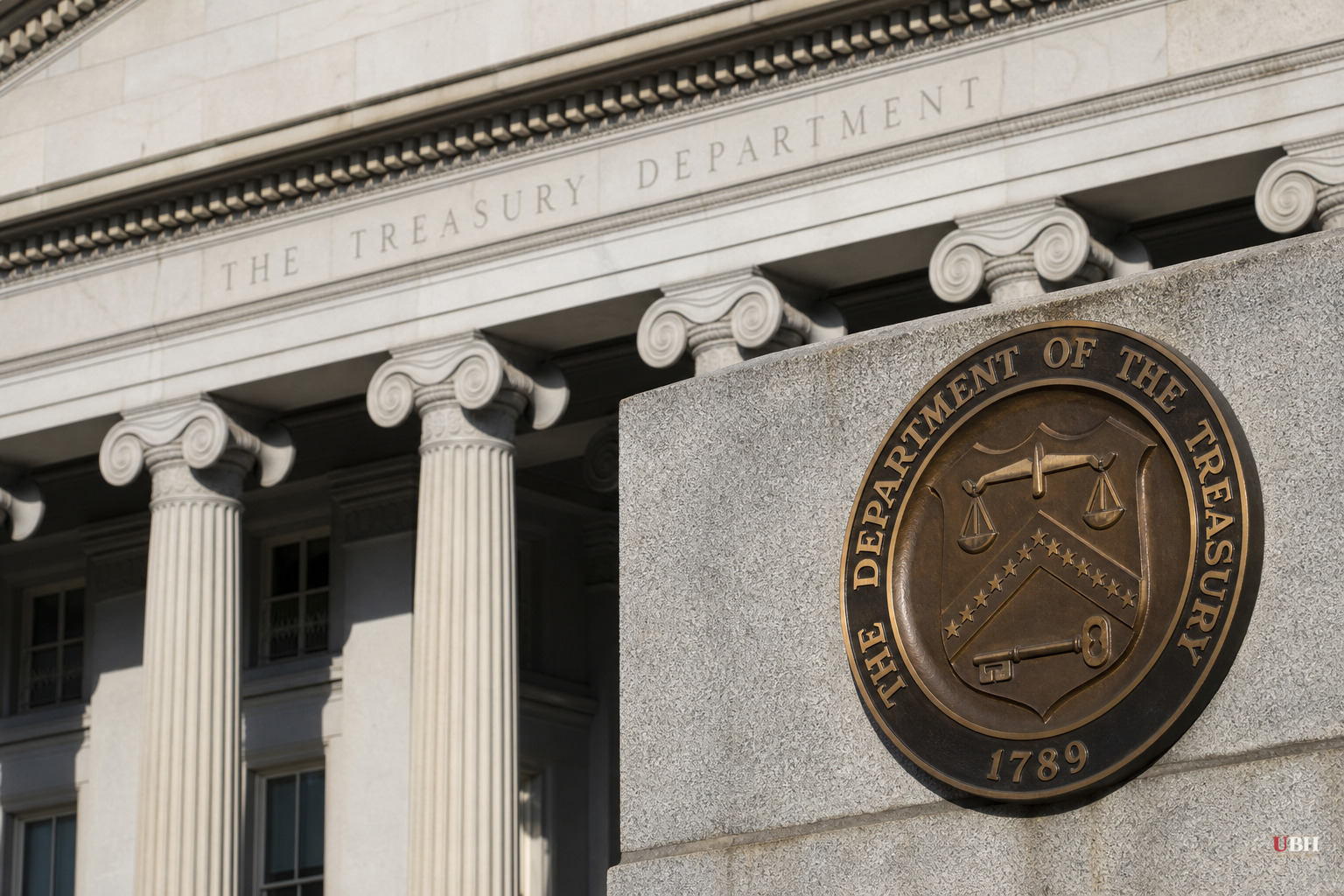
Foreign holdings of US Treasuries fell in June, and the countries doing the selling are the ones Washington needs most.
Data released Monday, August 17 by the US Treasury Department showed overseas holdings dropped to $9.299 trillion in June, down from $9.371 trillion in May, according to the Treasury International Capital report cited by Reuters. That's a decline of roughly $72 billion, marking the third drop in four months since foreign holdings hit a record high in February, according to Bloomberg's reporting carried by Livemint.
Japan, the UK, and China, the three biggest foreign holders, all pulled back at the same time.
Japan cuts the deepest
Japan remains the largest foreign holder of US debt, but it trimmed its position by about $26.4 billion in June, landing at $1.116 trillion, a 2.3% monthly drop. Japan's holdings peaked at $1.325 trillion back in November 2021. Since then, Tokyo has shed roughly $209 billion in Treasuries.
Japan's yen has been under pressure, forcing Tokyo to intervene in currency markets, according to Bloomberg. In late July, Treasury Secretary Scott Bessent joined a rare coordinated intervention to prop up the yen alongside Japanese authorities.
Paresh Upadhyaya, a strategist at Pioneer Investments, told Bloomberg that Bessent's move was aimed partly at heading off a bigger problem: Japan selling Treasuries outright to defend its currency, which would push US borrowing costs even higher. Bessent reportedly also flagged a Federal Reserve repo facility Japan could use instead of dumping bonds. "Needless to say, we will not see a repeat of Japanese selling of Treasuries," Upadhyaya said.
If that holds, June's Japanese selloff may be a one-off tied to currency defense rather than a verdict on US debt itself.
China's stake is the lowest since Lehman
China cut its holdings by $25.9 billion in June, dropping to $633.4 billion from $659.3 billion in May, a 4% monthly decline. That's the lowest level of Chinese Treasury holdings since September 2008, the month Lehman Brothers went under. On a year-over-year basis, China's stake is down more than 13%.
China has been diversifying away from US debt for years, and this marks a 16-year low, not a blip.
The United Kingdom, the second-largest holder and widely viewed as a proxy for global hedge fund positioning since many offshore funds custody assets through London, trimmed its position by about 1%, or $8.7 billion, to $939.9 billion.
Net inflows collapsed almost 90%
The transaction data reveals a sharper picture. Net Treasury inflows fell from $56.6 billion in May to just $6.8 billion in June, an 88% drop, according to figures reported by Reuters and separately by ghostsofdc.org.
This doesn't mean foreign holders are dumping bonds wholesale. It means they're buying far less new paper and letting existing holdings roll off without reinvesting the proceeds. There's a real difference between active selling and passive disengagement, and the data as reported doesn't let you fully separate the two, since Treasury's foreign holdings figures blend valuation changes with actual transactions.
Total foreign holdings are still up 2.3% year-over-year, and overall net capital inflows to the US in June actually rose slightly to $133.5 billion from $131.5 billion in May, according to Reuters, with US equities pulling in $181.4 billion. This isn't a story of foreign capital fleeing America outright. It's concentrated in Treasuries specifically, and specifically among the three biggest holders.
Yields are climbing anyway
Thirty-year Treasury yields have climbed to 5.31%, the highest since 2007, driven by widening US fiscal deficits, AI-related corporate debt issuance competing for capital, and general policy uncertainty, according to BigGo Finance's reporting.
Overseas, Japan's own 10-year government bond yield hit a three-decade high of 2.945% on Tuesday, August 18, according to Reuters, its highest level since September 1996. That's being driven by rising global yields, oil-price-fueled inflation worries, stalled Middle East peace talks, and mounting expectations the Bank of Japan will raise rates at its September policy meeting.
Higher JGB yields make Japanese bonds more attractive relative to Treasuries for Japanese institutions, which could pull even more capital home rather than into US debt. That's the mechanism to watch heading into the BOJ's September decision, and it's the one variable in this story that hasn't played out yet.
Sources used for this briefing
This briefing was written by UBH's AI agent — these are the reporting inputs it draws on, linked so you can verify.


