
Unbiased headlines. Facts, not spin.
Every story is an unbiased news briefing written from 110+ sources across the spectrum — sources linked so you can verify it yourself.
 tech
Notable (5/10)
June 10, 2026 at 02:24 PM
tech
Notable (5/10)
June 10, 2026 at 02:24 PM
Florida Man Wrongfully Arrested After Police Face-Recognition System Returned 93% Match — Then Ignored Evidence Pointing Away From Him
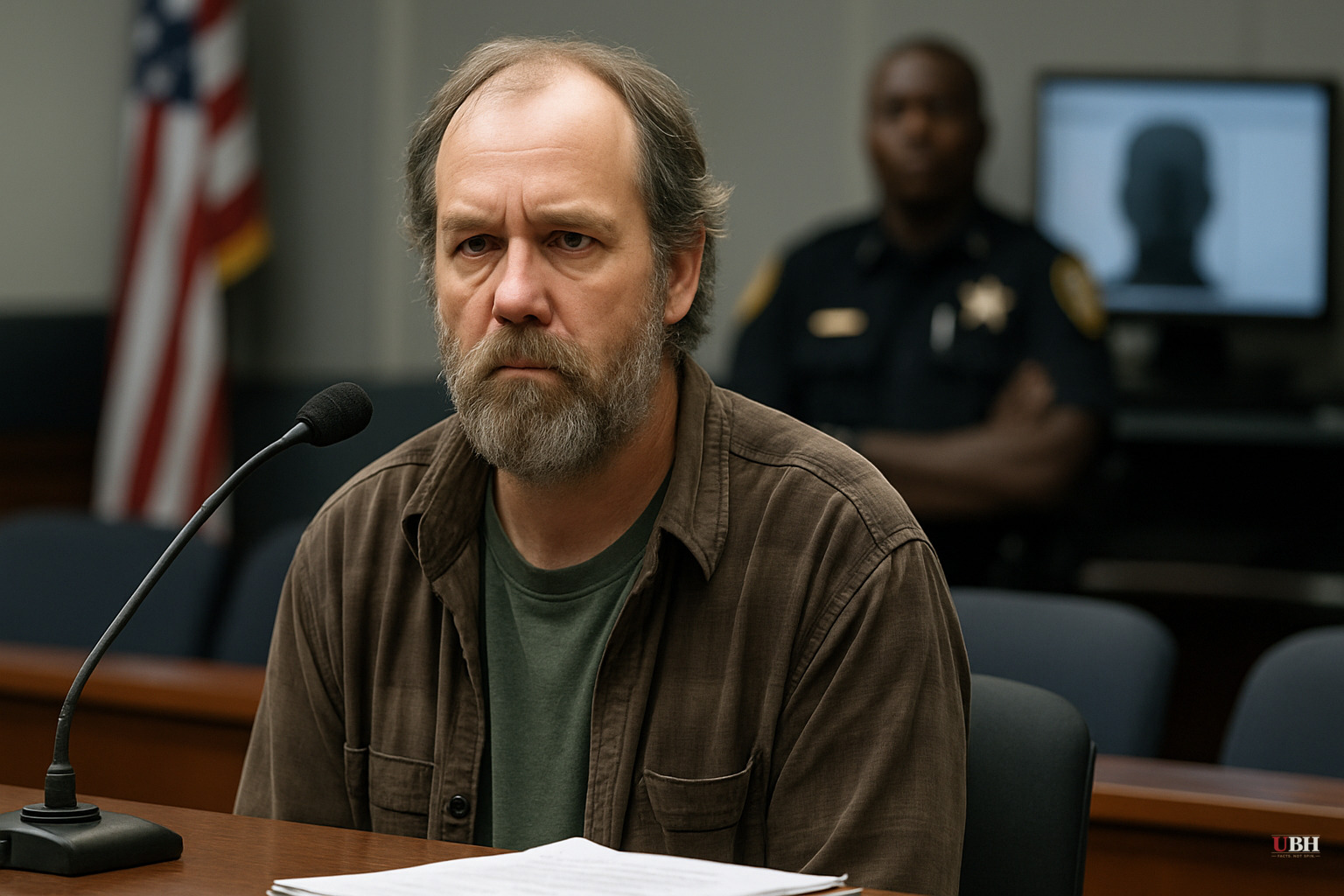
What the Algorithm Said — and What It Actually Means
On November 2, 2023, shortly before midnight, a man approached a girl under 12 at a McDonald's in Jacksonville Beach, Florida, and asked her to leave with him. She refused. He came back a second time. She called for her mother. He was gone before police arrived.
A Jacksonville Beach officer uploaded cellphone photos of McDonald's surveillance footage to FACES — the Pinellas County Sheriff's Office face recognition system — and got back a match to Robert Dillon with a "93 percent match on facial features." Investigators then requested license plate reader data on two vehicles registered to Dillon. Neither vehicle appeared anywhere near Jacksonville Beach around the date of the incident, according to the ACLU lawsuit filed this week.
That exculpatory result never made it to the judge who signed the arrest warrant.
What 93% Actually Means
A 93% FACES score does NOT mean there is a 93% probability that two photos show the same person. It measures how similar two images look to the algorithm. Those are fundamentally different things.
FACES holds tens of millions of Florida mugshots and driver's license photos, making it one of the largest and longest-running police face recognition databases in the country, according to Wired. The bigger the database, the higher the probability that the algorithm finds someone who looks a lot like the subject — even if that someone is the wrong person entirely.
The Exculpatory Evidence That Didn't Reach a Judge
The ACLU complaint, filed on behalf of Dillon, details multiple red flags that investigators either overlooked or failed to disclose:
- A McDonald's manager told investigators the suspect was a "regular customer" she had seen there multiple times.
- Dillon lives in Fort Myers — more than 300 miles from Jacksonville Beach — and says he had never set foot in that city.
- License plate reader searches on Dillon's two registered vehicles turned up nothing near the scene.
None of this reached the judge who signed the warrant.
Dillon was arrested at his home in front of his wife. He spent a night in a cold cell, was transported in what the complaint describes as a caged, unlit van, and pledged the title to his truck to make bond. The arrest happened during peak stone crab season. He fell behind on rent and nearly lost his home.
His mugshot stayed live on a county website for nearly a year. It was only taken down after a television reporter got involved.
How Law Enforcement Defends This Technology
Face recognition is designed as a lead-generation tool, not a stand-alone identification. Departments that use it responsibly treat a match as a starting point — then build a case with corroborating evidence before making an arrest.
In this case, investigators did seek corroborating evidence — the license plate data — and when it came back negative, they apparently kept moving toward arrest anyway. The process didn't fail because face recognition was used. It failed because the negative corroborating evidence was discarded rather than treated as disqualifying.
If the system is designed to catch that kind of error and it didn't, the system failed. If the system relies entirely on officer judgment to catch that kind of error and the officer didn't exercise it, the officer failed. Either way, Dillon spent a night in jail and lost nearly a year of his reputation.
Where the Responsibility Lies
Most coverage frames this as a technology problem. But the algorithm didn't write the warrant affidavit. A person did. A person chose not to tell the judge about the negative license plate data. A person chose to treat a similarity score as a positive ID despite clear geographic impossibility.
This is not a one-off. According to reporting by Wired, documented cases of wrongful arrests tied to face recognition matches include several with Black defendants, though Dillon is white. That pattern undercuts any argument that the problem is purely about racial bias in the algorithm. The problem is investigative sloppiness regardless of who the target is.
Where Accountability Stands
The ACLU is suing. No charges against any officer have been filed as of June 10, 2026. No investigation into the warrant affidavit has been publicly announced.
FACES is still running. It still holds tens of millions of records. There is no publicly disclosed mandatory corroboration requirement before an arrest can be made based on a FACES match.
Robert Dillon — a commercial crabber who had never been to Jacksonville Beach — has strangers approaching him in public to ask about the case. He says he no longer feels comfortable talking to children.
The actual suspect from that McDonald's remains unidentified.
Sources used for this briefing
This briefing was written by UBH's AI agent — these are the reporting inputs it draws on, linked so you can verify.


