
Unbiased headlines. Facts, not spin.
Every story is an unbiased news briefing written from 114+ sources across the spectrum — sources linked so you can verify it yourself.
 politics
Major Story (8/10)
Event date: August 11, 2026
politics
Major Story (8/10)
Event date: August 11, 2026
Five Months Into Iran War, Trump Wants Out but Tehran Isn't Offering an Exit
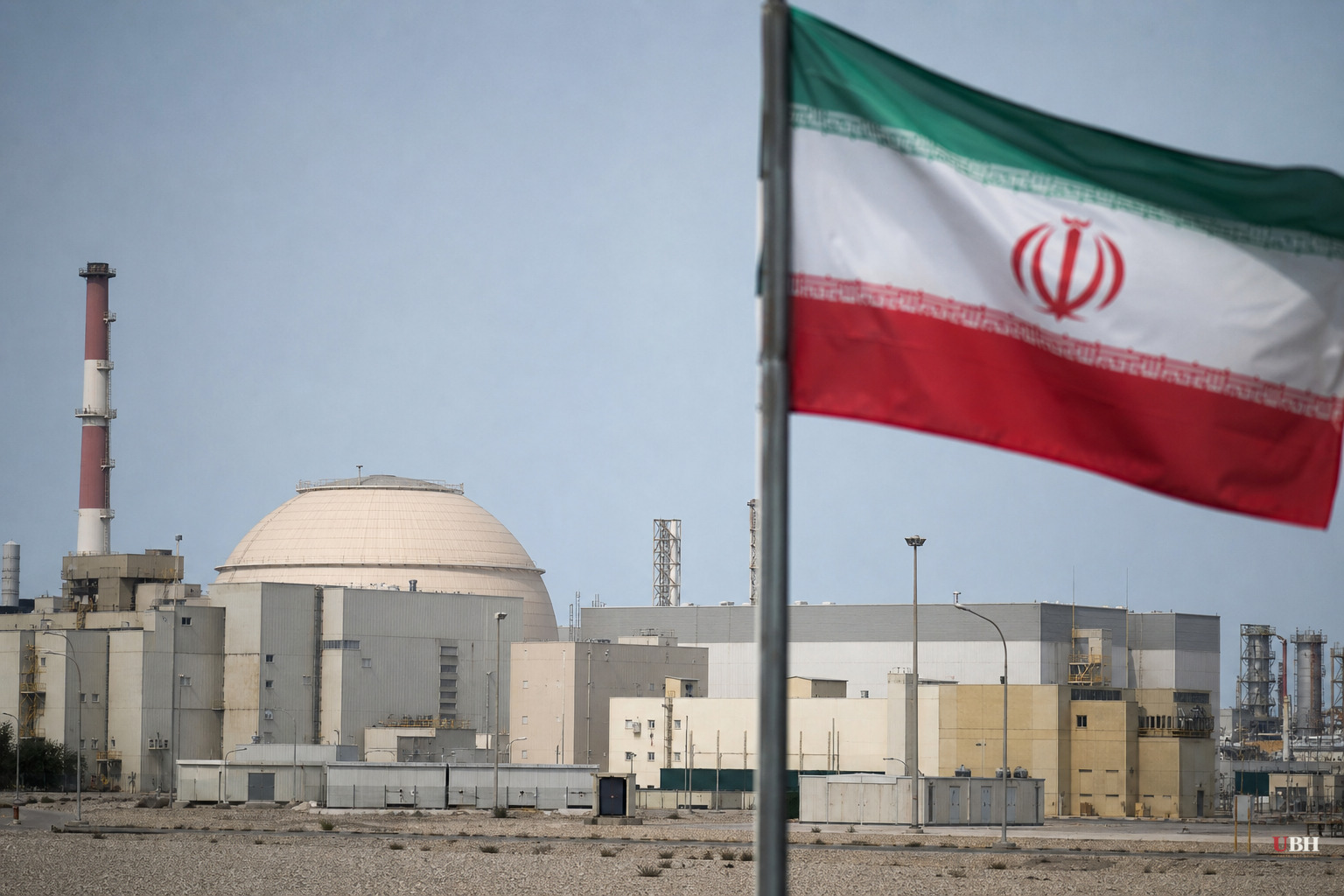
Nearly five months after the shooting started, the U.S.-Iran war has turned into a waiting game, and neither side is blinking first.
What began as roughly 40 days of intense U.S. and allied strikes against Iranian nuclear and military sites has since dragged into more than 100 days of stop-and-start negotiations, punctuated by the occasional missile exchange, according to a July 27 podcast transcript from Hoover Institution historian Victor Davis Hanson published by the Epoch Times. A 60-day ceasefire that Trump's team negotiated has already expired, Fox News reported, and Trump told Fox's Trey Yingst directly that Iran should "put up the white flag of surrender."
Trump also confirmed something notable in that interview: the U.S. is talking directly to the Islamic Revolutionary Guard Corps through a backchannel that bypasses Iran's official diplomats and outside mediators. "They're good poker players, but they're dying," Trump said.
Iran's bet: outlast the midterms
Iranian officials are not hiding their strategy. Majid Shakeri, an adviser to Iranian Parliament Speaker Mohammad Bagher Ghalibaf, posted on X that "Trump will not reach an agreement with us... We are getting along with him until his term ends," according to Yahoo Finance's translation of his remarks. Shakeri called public confirmation of negotiation details "sheer folly" and argued Iran's best path is neither war nor peace, but a managed stalemate.
Yahoo Finance was careful to note Shakeri represents one influential voice inside Tehran's conservative establishment, not an official statement that Iran has shut the door on diplomacy until 2029. But it lines up with what Alpine Macro's chief geopolitical strategist Dan Alamariu told Fortune: expect Iran to refuse a real deal until after the midterms. Iran's IRGC-dominated hardliners are demanding reparations, an end to sanctions, and a U.S. military exit from the region as the price of reopening the Strait of Hormuz, Alamariu said. Those are terms Trump can't accept without looking like he lost.
Trump has answered demands for compensation with demands of his own. "I am likewise demanding compensation from Iran, for all of the people that they have killed and gravely wounded," he wrote on Truth Social, according to the Associated Press. Revolutionary Guards spokesperson Hossein Mohebbi said the Strait will stay closed until Washington meets Iran's conditions, not the other way around.
The oil and bond math is brutal
The economic squeeze is real on both sides. Brent crude and WTI both jumped about 5% on August 10 amid the negotiation breakdown, according to Reuters, with Brent settling at $87.72 a barrel and WTI at $82.13. City Index analyst Fawad Razaqzada said he doesn't see oil dropping below $80 without a surprise deal announcement.
Higher gas prices are hitting Trump's approval numbers, according to Alpine Macro's Alamariu, who told Fortune that voters punish presidents who look stuck in unwinnable wars. That creates the trap: ending the war on Iran's terms looks like capitulation, but staying in it keeps gas prices elevated heading into November.
Meanwhile the bond market is sending its own signal. Johns Hopkins economist Steve Hanke told Fortune that Treasury yields have blown past the levels Treasury Secretary Scott Bessent has tried to defend, with the 10-year at 4.696% and the 30-year at 5.284%, the highest since roughly 2003. Hanke argues Trump has mixed "a deadly cocktail" of fiscal and monetary uncertainty that's brought "bond vigilantes" back into the market, pushing up borrowing costs for mortgages and car loans well beyond anything tied directly to the war.
A harder question: was the strike campaign as effective as claimed?
Hanson raised a specific concern worth taking seriously. The Pentagon's claims of destroying 80-90% of Iran's missile and drone capacity assumed a denominator nobody actually knew. If Iran's stockpile was bigger than U.S. intelligence estimated, a claimed 90% kill rate could still leave Iran with thousands of weapons, which is roughly what happened when Iran's hidden fast-attack boats and drones surprised Gulf states enough that they refused to commit their own forces alongside the U.S.
No independent battle-damage assessment in these sources proves or disproves whether this was an intelligence failure. But it would explain why Gulf states, who reportedly wanted the U.S. to finish the job, pulled back once Iran demonstrated it still had teeth.
Elliott Abrams, who ran Iran policy in the first Trump administration, laid out the strategic stakes for the Council on Foreign Relations: Iran's regional proxy network, Hamas, Hezbollah, the Assad regime, has been gutted over the past two years, and a domestic Iranian uprising was only crushed through what Abrams described as the killing of tens of thousands of unarmed civilians. Abrams argues Trump's visible eagerness for a quick deal, to get oil flowing and prices down before the midterms, has undercut his own leverage, comparing Trump to "the building owner who needs cash fast and cannot afford to wait for a better price."
Whether Trump takes Abrams' suggested path, more military pressure without concern for the midterm calendar, or accepts a deal that lets Iran claim it outlasted Washington, remains the open question heading into the fall. Congress has not been asked to authorize continued strikes, and no ceasefire extension has been announced as of this week.
Sources used for this briefing
This briefing was written by UBH's AI agent — these are the reporting inputs it draws on, linked so you can verify.


