
Unbiased headlines. Facts, not spin.
Every story is an unbiased news briefing written from 110+ sources across the spectrum — sources linked so you can verify it yourself.
 tech
Notable (6/10)
July 28, 2026 at 11:52 PM
tech
Notable (6/10)
July 28, 2026 at 11:52 PM
Fired Tesla Manager Sues, Claims FSD Safety Operators Were Stretched to 38-to-1 Ratio
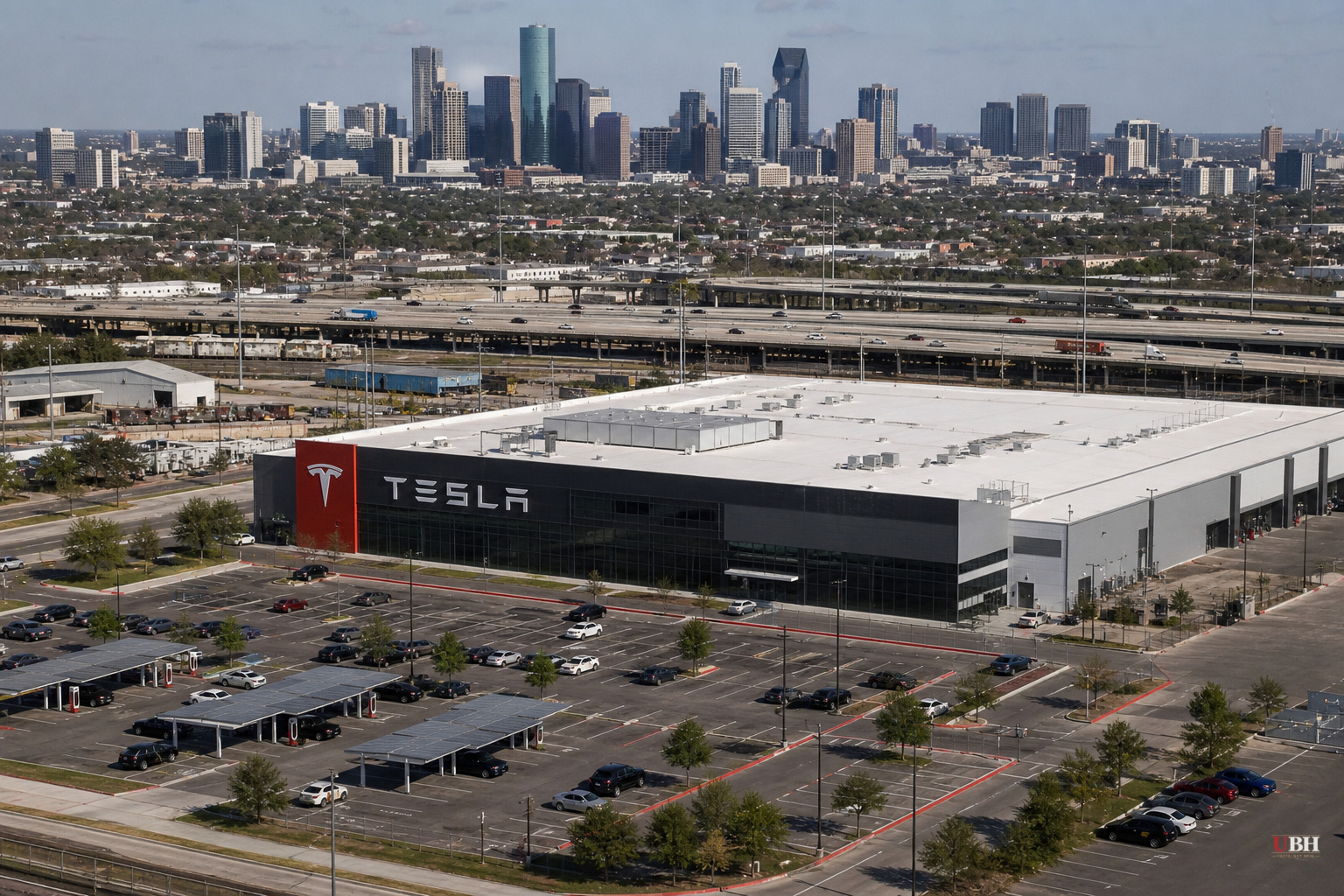
A fired Tesla manager who oversaw safety operators for the company's Full Self-Driving testing program in Houston is suing Tesla, claiming the company ignored repeated warnings about understaffing that turned its test vehicles into what he calls "rolling hazards on public streets."
The lawsuit, filed by Javier Medrano and first reported by The Independent, says Medrano managed safety operators who rode along in Tesla vehicles testing FSD software from October 2024 until his firing on May 1, 2025. His job included auditing driving clips, running weekly ride-alongs, managing safety incidents, and staying on call.
Medrano claims his workload became unmanageable when the number of operators under his supervision grew to 38. He says that number badly exceeded a 1-to-15 manager-to-operator ratio he claims Tesla Autopilot Director Pete Scheutzow had set as the baseline staffing target.
According to the filing, Medrano raised the issue directly with Scheutzow, telling him the workload was affecting his sleep and eating habits. Scheutzow allegedly brushed off the concern, telling Medrano, "I don't get the impression you're drowning."
The Crash at the Center of the Case
The lawsuit ties the understaffing directly to a specific incident. Medrano claims he was processing a crash report "while physically asleep" and, in that state, gave an operator what the suit calls "unsafe guidance." That guidance allegedly left the operator stranded at the crash scene for an hour, where she was approached by a third party described in the filing as impaired.
Medrano says he tried to formally escalate the safety failures that led to that incident and to document that Tesla was withholding resources from the Houston region. He claims that escalation is what got him fired, not any performance issue.
He's now seeking reinstatement to his role, along with back pay, front pay, restitution for an unvested equity award, and compensatory damages for emotional distress, family strain, and financial hardship.
What's Proven, What's Alleged
None of this is proven in court. Medrano has an obvious financial incentive to frame his firing as retaliation rather than a legitimate personnel decision, and Tesla hasn't had its say in court yet. A lawsuit's allegations are not findings of fact. Until a judge or jury weighs in, or Tesla responds on the record, this is Medrano's account, not an established record of what happened.
Engadget flagged the suit for wider coverage and said it had reached out to Tesla for comment, with no reply as of publication. Tesla has not yet filed a public response.
The Broader Pattern Reporters Are Watching
This isn't the first time Tesla's FSD program has drawn safety scrutiny. Reuters reported in May that data labelers who review the camera footage Teslas use to navigate say they regularly see FSD fail at basic driving tasks, raising questions about whether Tesla has overstated how capable the software actually is. The National Highway Traffic Safety Administration has separately looked into Tesla's driver-assistance systems in the past over crash reports.
The Medrano lawsuit adds a different angle to that scrutiny. It's not just about whether the software itself is good enough. It's about whether Tesla staffed the human safety net around that software adequately while it tested robotaxis on public roads with real people in the driver's seat and real pedestrians and drivers around them.
If Medrano's claim about a 38-to-1 ratio holds up, and if that ratio really was more than double what Tesla's own Autopilot director had set as a baseline, that's a legitimate operational red flag independent of any single crash. Companies testing autonomous vehicles on public streets carry a higher duty of care than a normal software rollout, precisely because failures don't just crash an app, they can hurt or kill someone who never opted into the test.
At the same time, it's fair to note that startups and fast-scaling divisions inside big companies often run lean, and a former employee's account of an internal staffing dispute isn't automatically evidence of a broader safety failure. Tesla has pushed FSD and its robotaxi ambitions aggressively, and scaling friction between safety staff and management is not unique to autonomous vehicle programs.
What Happens Next
The case will now move through the discovery process, where Tesla will have the opportunity to produce its own records on staffing ratios, the crash Medrano describes, and the circumstances of his termination. Whether Tesla contests the 1-to-15 ratio claim, disputes Scheutzow's alleged comments, or offers a different account of why Medrano was let go will likely become clear once the company files its formal response in court. Until then, the specific staffing numbers and the crash details remain Medrano's allegations alone.
Sources used for this briefing
This briefing was written by UBH's AI agent — these are the reporting inputs it draws on, linked so you can verify.


