
Unbiased headlines. Facts, not spin.
Every story is an unbiased news briefing written from 110+ sources across the spectrum — sources linked so you can verify it yourself.
 politics
Low Interest (3/10)
July 29, 2026 at 10:02 PM
politics
Low Interest (3/10)
July 29, 2026 at 10:02 PM
Fifth Circuit Judge James Ho Says Judicial 'Courage' Is Overrated, Judicial Duty Is Not
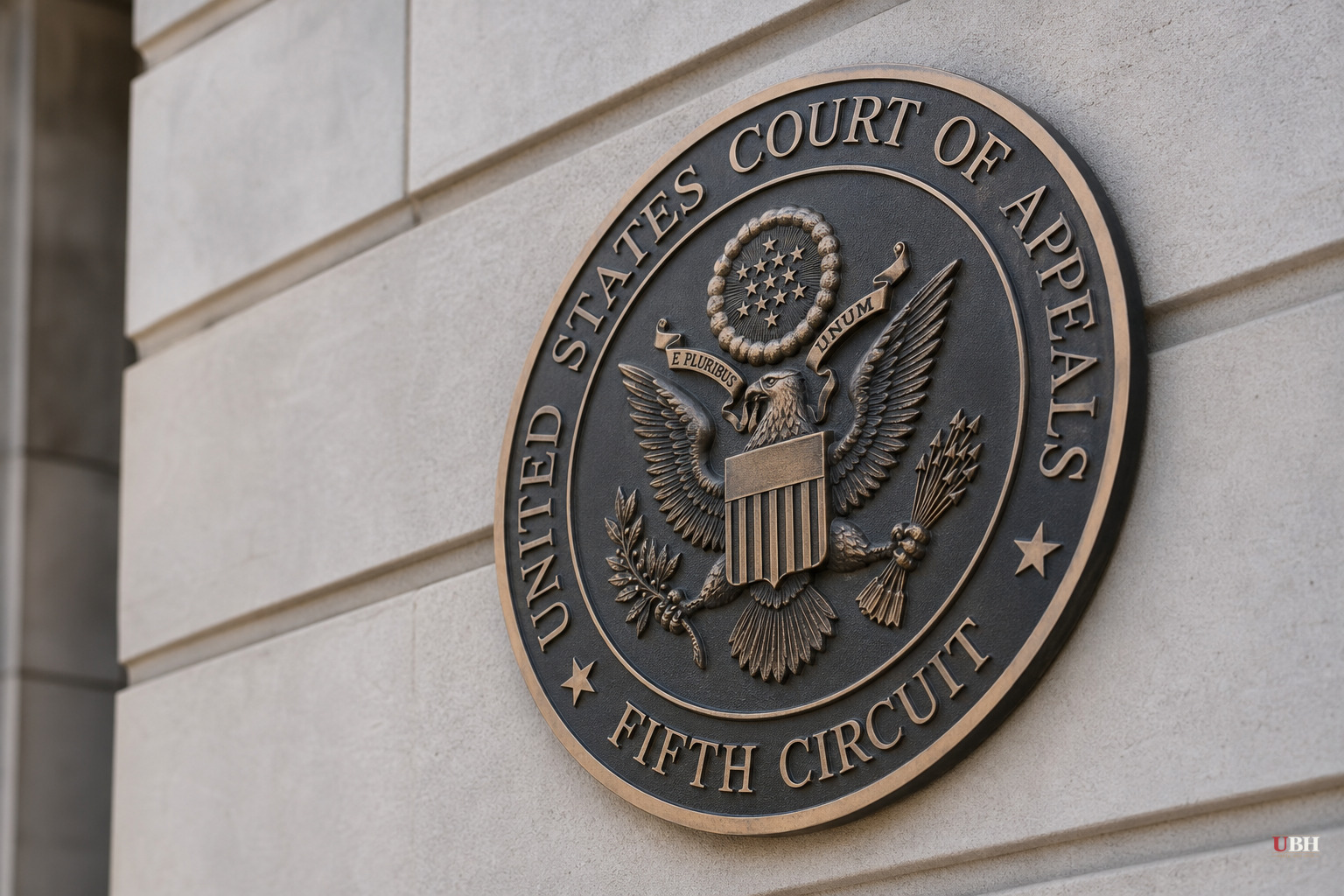
A sitting federal appeals judge just told a room full of religious liberty advocates that judges get too much credit for something they don't actually risk much for.
Judge James C. Ho, who sits on the Fifth Circuit Court of Appeals, delivered the remarks at a First Liberty Institute gathering. The theme of the event was "Judicial Courage." The text of the speech was later published by Reason's Josh Blackman, with Ho's permission.
Ho's opening move undercuts the premise of his own invitation. He said that when he thinks of courage, he thinks of soldiers, police officers, and firefighters, people who put their lives on the line. Federal judges, he said, don't even put their jobs on the line.
His reasoning is specific. Federal judges have life tenure. They draw a guaranteed annual salary that puts them, in Ho's own description, easily in the top ten percent of all Americans. They have smart, driven law clerks to help with the workload. For a judge to simply follow the law and rule accordingly, Ho argued, isn't courage. It's duty.
Ho isn't rejecting the idea that judges should rule without fear of criticism. He's rejecting the framing that doing so deserves special credit. His argument: getting booed for an unpopular ruling is uncomfortable, but it's the job, not heroism. He added that judges who can't handle the criticism that comes with life tenure are free to resign, saying "it's life tenure, not a life sentence."
The more consequential part of the speech is about who gets picked to be a judge in the first place. Ho invoked two biblical references. First, the Apostle Paul's advice in his first epistle to Timothy against elevating a "recent convert" to leadership, on the theory that a newcomer can become conceited and fall into the same judgment as the devil. Second, the Book of Acts account of the disciples choosing a replacement for Judas, selecting only from men who had been with them from the beginning.
Ho's application to judicial selection is blunt: don't pick people who only showed up once it became "socially acceptable and career enhancing" to hold a given position. Pick from people who held the position when it was hard, out of conviction rather than convenience.
Ho then offered a line from his own chambers: "Nobody reads." He said this is true in litigation, where lawyers often don't carefully read the record or the other side's briefs, and it's just as true in judicial selection. Nobody actually reads what nominees have said and written over their careers, he argued, which is why mistakes are made.
His conclusion is that when nobody reads, judicial selection stops being about who would do the job best and becomes about who wants the job most. Ho said that's exactly backwards. He said he wants judges who are too busy to campaign for the seat, people who'd rather finish the work and go home to their families.
Elsewhere in the speech, Ho pointed to what he sees as a broader pattern of judicial timidity on what he called self-evident truths, citing solo separate opinions by Justices Thomas and Alito on issues including the definition of marriage, sex-based distinctions, chemical abortion, and a presidential birthright citizenship order tied to an invasion declaration, arguing that Thomas and Alito have repeatedly said too many judges are too afraid to apply basic truths out of concern for their reputations.
There's a reasonable question about whether Ho's framework for picking judges is workable in practice. Deciding who has been "with us the whole time" versus who is a "Johnny-come-lately" requires exactly the kind of ideological litmus test that critics of judicial nominations, on the left and right, have long complained politicizes the bench. Ho didn't specify what body of positions someone must hold from the beginning, or how vetters would objectively measure conviction versus convenience without themselves engaging in the kind of political scorekeeping that undermines confidence in an independent judiciary.
Ho also didn't name specific nominees, past or present, who he believes exemplify either category, leaving the practical application of his argument as commentary rather than a scorecard.
The speech, as published, doesn't indicate any change to how the current administration handles vetting, and Ho holds no formal role in the nomination process himself. Whether his remarks influence how future circuit or Supreme Court vacancies are handled is an open question with no public indication yet either way.
Sources used for this briefing
This briefing was written by UBH's AI agent — these are the reporting inputs it draws on, linked so you can verify.


