
Unbiased headlines. Facts, not spin.
Every story is an unbiased news briefing written from 110+ sources across the spectrum — sources linked so you can verify it yourself.
 finance
Notable (6/10)
August 4, 2026 at 05:57 AM
finance
Notable (6/10)
August 4, 2026 at 05:57 AM
FIFA Kills $20 Billion World Cup Stake-Sale Plan After UEFA Threatens Boycott
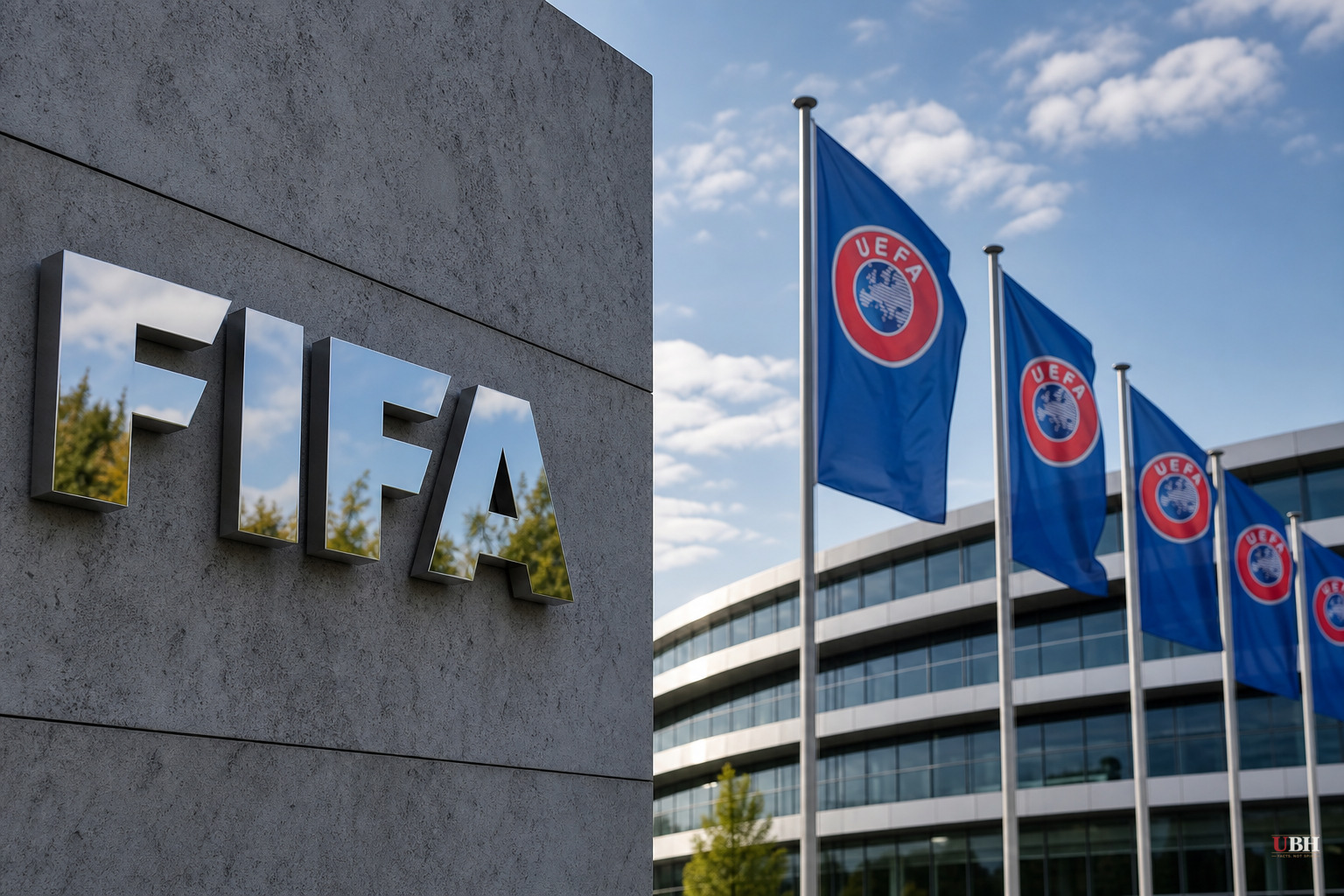
FIFA's plan to sell off a chunk of the World Cup is dead. Sources told the New York Post on Friday that the proposal to sell roughly 20% of a new subsidiary called FIFA Forward Enterprise has collapsed, less than a week after details went public.
The plan was big. FIFA and adviser JPMorgan valued the new entity at around $20 billion, targeting $4.2 billion from selling minority stakes to outside investors. A group reportedly set to be led by Joshua Kushner's Thrive Eternal was expected to anchor the deal. FIFA would have kept majority control, with the subsidiary managing broadcast, sponsorship, ticketing, and licensing rights for the men's and women's World Cups and the Club World Cup.
That's gone now. Thrive has started walking away from the idea, and JPMorgan doesn't expect the deal to move forward, according to the four sources cited by the New York Post.
Why it blew up
UEFA didn't just object. All 55 of its member associations voted unanimously to boycott FIFA competitions, including future World Cups, if the plan went through, according to reporting cited by European Business Magazine. Europe's entire football establishment was telling FIFA to back off.
CONCACAF and the Asian Football Confederation rejected it too. Internally, FIFA senior adviser Carlos Cordeiro resigned in protest on Friday, calling the proposal "a bad deal for football" and accusing FIFA of "mortgaging football's future." FIFA's own chief operating officer reportedly pushed back hard as well, per the New York Post's sourcing.
FIFA had insisted publicly that "nobody is selling football" and said it would keep consulting stakeholders. That line didn't survive contact with the people actually running the sport.
The JPMorgan problem
This is the same bank that agreed in April 2021 to bankroll the breakaway European Super League, a plan built around locking in permanent spots for Europe's richest clubs regardless of performance. That deal collapsed within days after fan protests, government pressure, and English clubs bailing out. JPMorgan later admitted it misjudged how fans would react.
Five years later, JPMorgan is back advising on another plan that treats football's governance as a financial asset to be restructured, and it blew up again, just as fast, per European Business Magazine's analysis. A bank can model broadcast rights and sponsorship revenue all day, but it can't buy the institutional legitimacy that makes those revenues exist in the first place.
The case FIFA was actually making
The pitch wasn't crazy on its face. FIFA framed this as a way to get more money to its 211 member federations faster, promising roughly $40 million each in enhanced funding, including a one-time "Fast-Forward" payment, if associations signed on by a September 19 deadline. Selling a minority, non-controlling stake to raise development cash is a normal corporate finance move in almost any other industry.
FIFA also argued it would keep full authority over sporting decisions and competition scheduling. If true, and if the money genuinely flowed to grassroots development in poorer federations, that's a real public benefit, not just a slush fund for FIFA executives.
Why that pitch didn't land
The process was the problem. There was no meaningful consultation with UEFA, CONCACAF, or the AFC before this went public on July 28. Critics also flagged the specific choice of Thrive Eternal, tied to Joshua Kushner, as a potential cronyism problem, and questioned why FIFA chose equity investors over simple debt financing, which wouldn't require handing outsiders any stake in football's commercial machine at all.
There's also the deeper fear UEFA raised. Once private investors own a slice of World Cup revenue, they have a financial incentive to push for more games, more tournaments, more monetizable product. A Club World Cup expansion is one thing. A permanent investor class with a seat at the table pushing for volume is another.
What's actually resolved and what isn't
FIFA has not issued a public statement confirming the deal is fully and formally dead, based on current reporting. What's confirmed is that the two entities needed to make it happen, Thrive Eternal and JPMorgan, have both effectively stepped back. Without an investor group and without the bank running the process, there's no deal left to close.
What isn't resolved is whether Infantino tries a scaled-down version, brings a different set of investors to the table with actual consultation this time, or drops the idea of outside capital altogether and finds another way to fund the $40 million per-federation promise he made before September 19. UEFA's boycott threat gives him a hard deadline of his own to figure that out.
Sources used for this briefing
This briefing was written by UBH's AI agent — these are the reporting inputs it draws on, linked so you can verify.


