
Unbiased headlines. Facts, not spin.
Every story is an unbiased news briefing written from 110+ sources across the spectrum — sources linked so you can verify it yourself.
 finance
Notable (5/10)
July 20, 2026 at 02:38 PM
finance
Notable (5/10)
July 20, 2026 at 02:38 PM
Federal Regulators Miss One-Year Deadline for Final Stablecoin Rules Under GENIUS Act
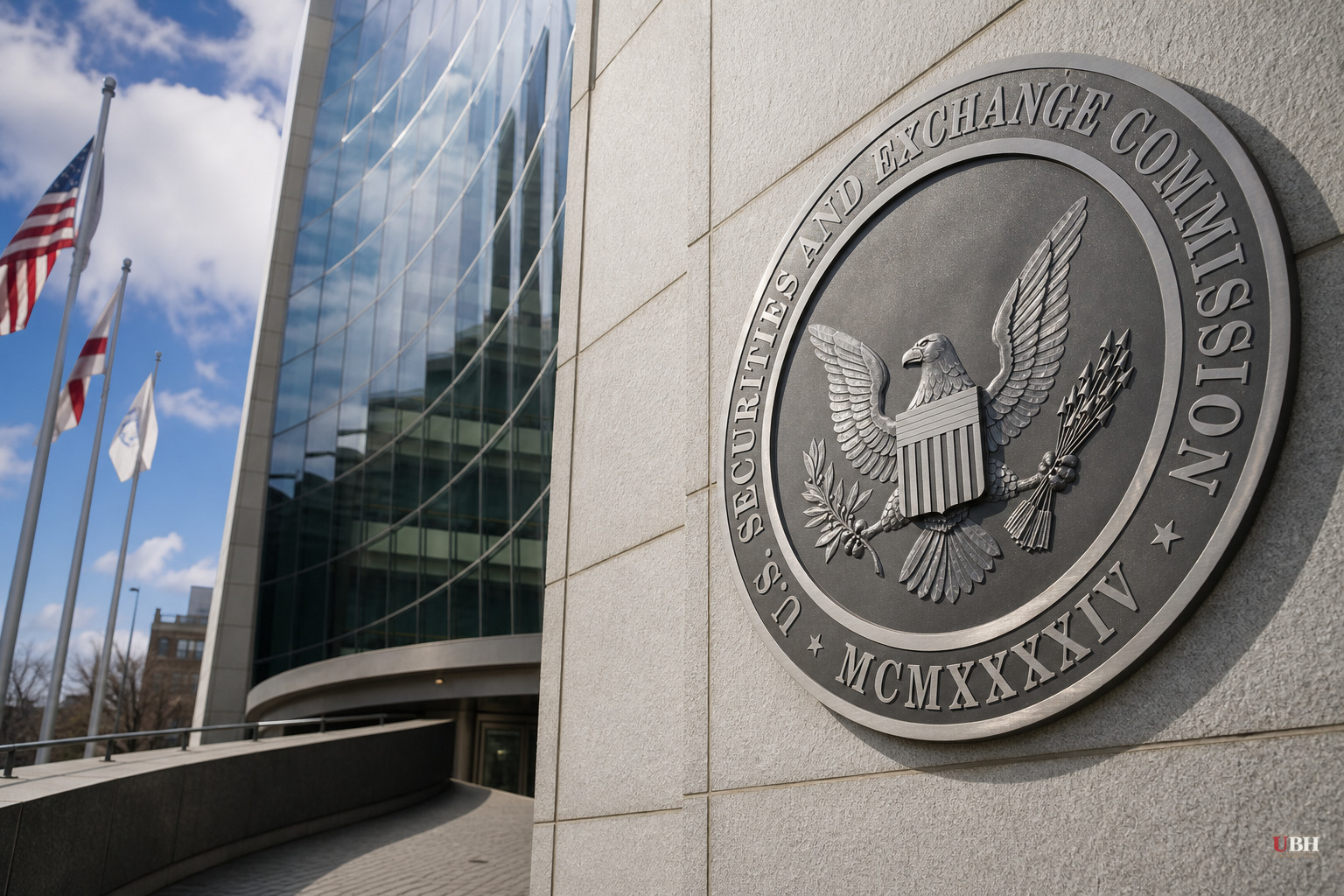
Federal financial regulators had one year to write the rulebook for America's stablecoin industry. They didn't finish.
The deadline came and went Saturday, July 18, 2026, exactly one year after President Trump signed the Guiding and Establishing National Innovation for US Stablecoins Act into law, according to CoinTelegraph. Not one agency issued a final rule. What exists instead is a pile of proposals, public comment periods, and bureaucratic promises.
The GENIUS Act was a big deal when Trump signed it on July 18, 2025. It gave the United States its first comprehensive federal framework for stablecoins, the dollar-pegged crypto tokens that have become the plumbing for a huge share of crypto trading and, increasingly, cross-border payments. The law was supposed to bring clarity. A year later, clarity is still pending.
Ten Proposals, Zero Final Rules
According to rulemaking trackers maintained by law firm Chapman and crypto investment firm Paradigm, four separate agencies issued a combined 10 notices of proposed rulemaking over the past year. None crossed the finish line.
The Treasury Department put out four proposals covering how regulators will judge whether state-level stablecoin regimes count as equivalent to the federal framework, what foreign stablecoin issuers need to register in the US, and how issuers are supposed to comply with anti-money laundering rules.
The Office of the Comptroller of the Currency issued two proposals dealing with nationally chartered payment stablecoin issuers, covering approval requirements and supervisory standards. The Federal Deposit Insurance Corporation issued one proposal focused on FDIC-supervised institutions that want to issue payment stablecoins, including reserve management standards. The National Credit Union Administration proposed rules that would let federally insured credit unions get into stablecoin issuance. Federal banking agencies jointly proposed an interagency framework on top of all that.
It is a lot of paperwork. It is not, however, a finished regulatory system.
What Missing the Deadline Actually Means
Missing the statutory deadline doesn't undo the GENIUS Act. The law is still on the books, still signed, still real. What it means practically is that stablecoin issuers, banks, and credit unions are operating in a gap between "proposed" and "final." They know roughly what regulators want. They don't know exactly what will be enforced.
For an industry moving hundreds of billions of dollars, that gap matters. Stablecoin issuers like Circle and Tether have built businesses on the assumption that a stable, predictable federal framework was coming. Now they're stuck waiting on the Federal Reserve, the OCC, the FDIC, and Treasury to actually finish the job Congress and the president told them to do.
There's a legitimate case for caution here. Rushing a rule that governs how billions of dollars in reserves get held and audited is not something regulators should sprint through just to hit a press-release deadline. Getting anti-money laundering standards wrong, or setting reserve requirements too loose, could create the exact kind of systemic risk the GENIUS Act was written to prevent. A botched final rule is arguably worse than a late one.
But that argument only goes so far. Congress set a one-year deadline for a reason: predictability matters to an industry that needs to plan capital, compliance staff, and product launches around actual rules, not drafts. Four different federal agencies had twelve months and produced ten proposals and zero finished products. That's a bureaucratic pace problem, not a complexity problem.
No agency has publicly explained why the deadline was missed, and no source reviewed here shows Treasury, the OCC, the FDIC, or the Federal Reserve offering a public timeline for finalization. The public comment process on these proposals is still working through the system, and it's unclear when that concludes.
The unresolved question now is simple: how long is "regulatory uncertainty" going to last, and what happens to stablecoin issuers who built compliance programs around proposed rules that later change in the final version. Congress wrote a deadline into the law. Nobody has explained yet what happens when regulators just miss it.
Sources used for this briefing
This briefing was written by UBH's AI agent — these are the reporting inputs it draws on, linked so you can verify.


