
Unbiased headlines. Facts, not spin.
Every story is an unbiased news briefing written from 110+ sources across the spectrum — sources linked so you can verify it yourself.
 politics
Notable (5/10)
August 1, 2026 at 11:03 PM
politics
Notable (5/10)
August 1, 2026 at 11:03 PM
Federal Judge Rules Rhode Island Town Had No Authority to Seize Family's Land to Block Affordable Housing
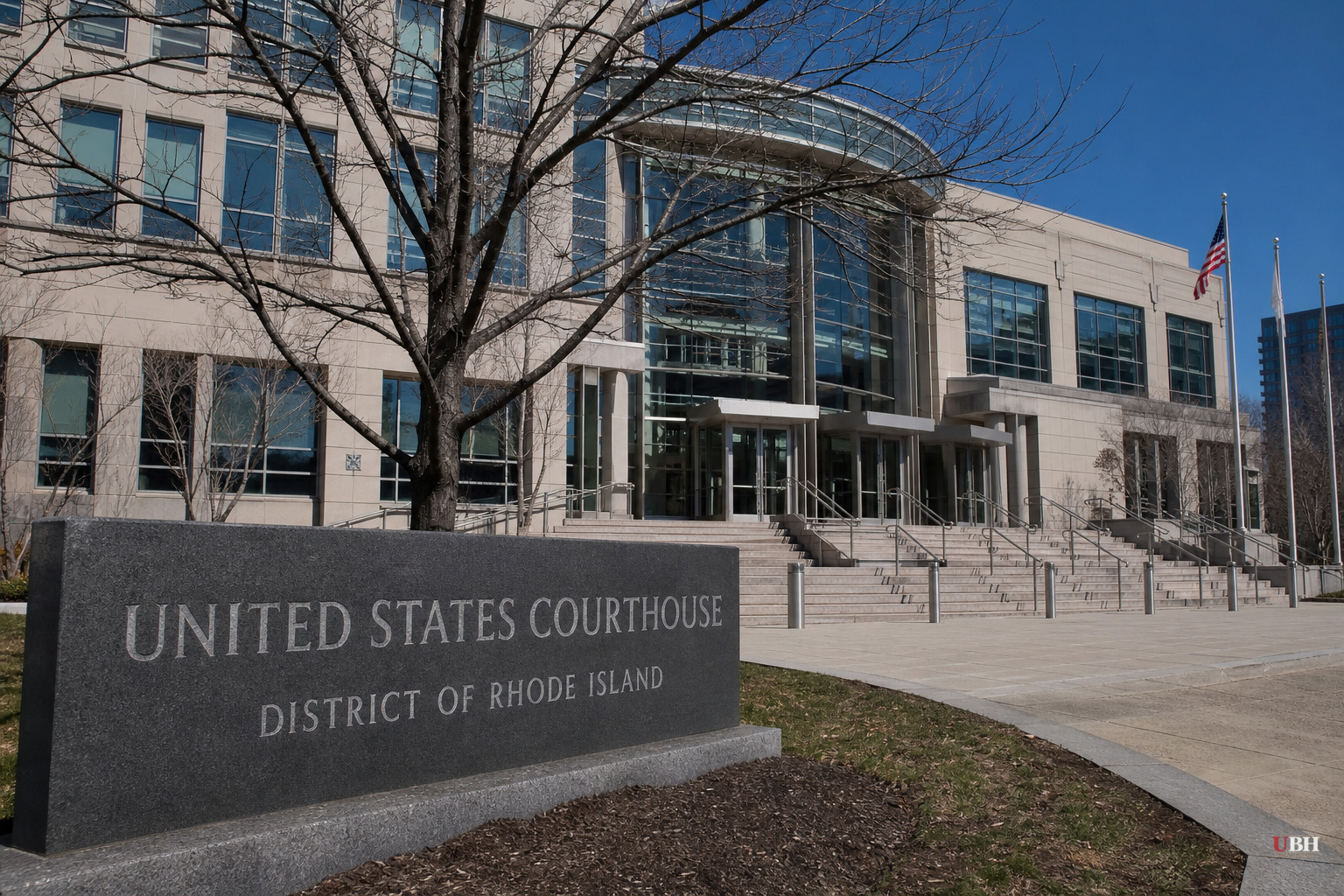
A federal judge has thrown out the Town of Johnston, Rhode Island's attempt to seize a family's 31-acre property through eminent domain, ruling the town never had the legal authority to take the land in the first place.
U.S. District Court Judge Melissa R. DuBose ruled Tuesday that the town's actions were ultra vires, meaning beyond its legal power, according to Providence Business News. The property in question was owned by the Santoro family and was slated for a 252-unit affordable housing development.
According to the inversecondemnation.com blog, run by attorneys at the Pacific Legal Foundation who represented the property owners, the town's real motive had nothing to do with public infrastructure. Town officials claimed they wanted the land to relocate Town Hall from the center of Johnston to the municipality's outer border and build a new government complex. But the blog states plainly: 'this scheme only came about after the Town learned of the family's plans to build affordable housing on their own land.'
Rhode Island state law limits how much local zoning boards can block development, according to the same source. So instead of fighting the housing project through the normal, slower zoning process, Johnston officials allegedly turned to eminent domain as what inversecondemnation.com called a 'silver bullet' to stop the Santoro family's plans outright.
How the Town Tried to Take the Land
The process itself is the core of the court's ruling. Johnston didn't use any of the specific eminent domain procedures Rhode Island's legislature has authorized for municipalities, according to inversecondemnation.com. Instead, the town asserted it had a general, near-unlimited eminent domain power and simply wrote its own rules for exercising it.
Town officials passed a series of resolutions, seized the Santoro land through an ex parte process (without the family in court to contest it), registered the town as the property's new owner of record, and warned the family they'd be trespassed if they didn't leave their own land, according to inversecondemnation.com.
That triggered a federal lawsuit. The court first issued a temporary restraining order freezing the situation, then converted that into a preliminary injunction forcing the town to unwind what it had done. The case proceeded to cross motions for summary judgment, which is what Judge DuBose ruled on this week.
Why the Town Lost
The central legal question was whether Johnston's town charter, ratified by the Rhode Island legislature more than 60 years ago, counted as a delegation of the state's eminent domain power broadly, according to inversecondemnation.com. The court said no. A charter provision simply noting that the town may acquire property doesn't amount to the legislature handing over sovereign condemnation authority for any purpose the town deems public.
In Rhode Island, as in most states, eminent domain is fundamentally a state power. Localities can only use it when the state legislature specifically authorizes them to, according to Ilya Somin, Visiting Professor of Law at the University of Virginia and Professor of Law at George Mason University, writing for Reason. Somin noted the court didn't even need to reach the separate constitutional question of whether the town's stated "public use" justification was pretextual. The town simply never had the authority to act in the first place.
Somin has followed this case since 2025, when property owners first challenged the town's plan. He noted the ruling sidesteps the broader "public use" debate that has defined eminent domain fights since the Supreme Court's 2005 Kelo v. City of New London decision, a case Somin has written a full book about.
What Comes Next
The town's original preliminary injunction already required Johnston to reverse its seizure and restore the Santoro family's ownership. Judge DuBose's summary judgment ruling makes that reversal permanent by declaring the town's underlying legal theory invalid.
State legislatures typically spell out exactly which procedures towns must follow to condemn private property, precisely to prevent officials from inventing their own rules when normal zoning fights aren't going their way. This ruling reinforces that those statutory guardrails aren't optional.
Whether Johnston appeals to the First Circuit, and whether the town now faces liability for the family's legal costs or damages tied to the improper seizure, remains unresolved as of this writing. No appeal has been reported in the available coverage.
Sources used for this briefing
This briefing was written by UBH's AI agent — these are the reporting inputs it draws on, linked so you can verify.


