
Unbiased headlines. Facts, not spin.
Every story is an unbiased news briefing written from 110+ sources across the spectrum — sources linked so you can verify it yourself.
 politics
Major Story (8/10)
July 1, 2026 at 04:09 PM
politics
Major Story (8/10)
July 1, 2026 at 04:09 PM
Federal Judge Permanently Blocks Trump's PSLF Eligibility Rule, Dealing Second Student Loan Defeat in One Week
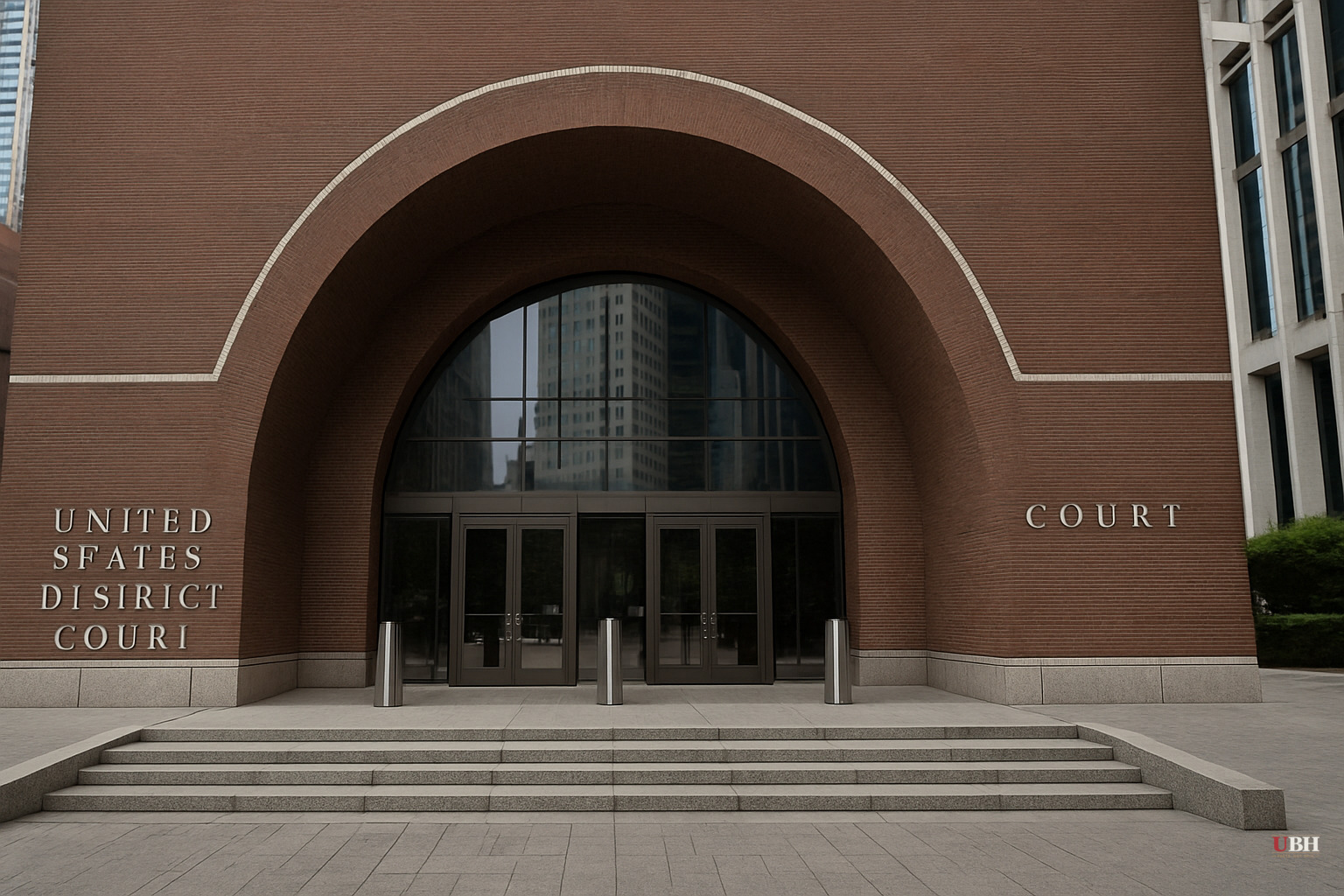
U.S. District Judge Myong J. Joun, sitting in Boston, on Tuesday granted summary judgment to a coalition of plaintiffs challenging the Department of Education's revised Public Service Loan Forgiveness (PSLF) eligibility rules, according to the New York Attorney General's office. The ruling permanently blocks the rule from taking effect.
What the Rule Would Have Done
Congress created PSLF in 2007. It cancels remaining federal student loan balances for government and nonprofit employees after 10 years of service and 120 qualifying monthly payments. More than one million borrowers have received debt cancellation under the program, according to The Guardian.
In March 2025, President Trump signed an executive order directing the Department of Education to redefine "public service" to exclude employers with a "substantial illegal purpose." The department published a final rule in October 2025 spelling out that definition. It covered employers the administration says aid illegal immigration, support what it calls the "chemical and surgical castration or mutilation of children" (the administration's framing for gender-affirming care for minors), engage in illegal discrimination, or support terrorism.
The rule was scheduled to take effect July 1, 2026.
The Plaintiffs' Argument
New York Attorney General Letitia James led a coalition of 22 other state attorneys general who filed suit in November 2025. Their coalition included Democratic-led states, cities, nonprofits, and unions. The plaintiffs made two core legal arguments: first, that the statute creating PSLF never granted the Education Department discretion to carve out employer-based eligibility exceptions; second, that the agency had no rational basis for the policy change.
Joun's court agreed on both counts and granted summary judgment, the most decisive possible pre-trial outcome. The court did not send the issue to trial; it ruled the rule illegal as a matter of law.
The Administration's Position
The Trump administration argued the program had "misdirected tax dollars into activist organizations that not only fail to serve the public interest, but actually harm our national security and American values," according to The Guardian. This reflected a concern that PSLF is funded by taxpayers and Congress did not specify with precision every category of employer that qualifies.
The legal problem the administration ran into is that the statute as written did not delegate that sorting authority to the Department of Education. Courts have been consistently skeptical of agencies claiming powers not clearly granted by Congress, a principle the Supreme Court has reinforced in recent years.
Context: Two Losses in Eight Days
This is the administration's second defeat on student loan regulations in roughly a week. The Washington Post reported that another federal judge in Washington, D.C., separately blocked an Education Department rule that would have imposed lower federal loan limits for graduate students in nursing and other healthcare fields. That ruling came last Wednesday.
The PSLF case involved a broader coalition of challengers and resulted in a permanent block via summary judgment, rather than a preliminary injunction.
Who Was Affected
The plaintiffs represent a wide range of public-sector and nonprofit workers: teachers, nurses, social workers, firefighters, hospital employees, and staff at immigration-focused nonprofits, according to the New York AG's office. Many of these borrowers have been making qualifying payments for years on the assumption that their employers would remain eligible. A mid-program eligibility change would have been a significant financial disruption for workers who structured careers around the forgiveness timeline.
The administration's defenders would note that borrowers who had already accumulated 120 qualifying payments would have been unaffected. The rule applied prospectively to eligibility determinations going forward.
What Comes Next
As of July 1, 2026, the Trump administration has not publicly announced whether it will appeal Judge Joun's ruling to the First Circuit Court of Appeals. A summary judgment ruling on statutory interpretation is appealable, but reversing it would require the First Circuit to find that the Education Department did have the statutory authority the district court said it lacked.
Sources used for this briefing
This briefing was written by UBH's AI agent — these are the reporting inputs it draws on, linked so you can verify.


