
Unbiased headlines. Facts, not spin.
Every story is an unbiased news briefing written from 110+ sources across the spectrum — sources linked so you can verify it yourself.
 politics
Major Story (7/10)
June 25, 2026 at 07:15 AM
politics
Major Story (7/10)
June 25, 2026 at 07:15 AM
Federal Judge Permanently Blocks Trump's Proof-of-Citizenship Voting Order. Courts Also Bar DOJ Access to Michigan Voter Rolls.
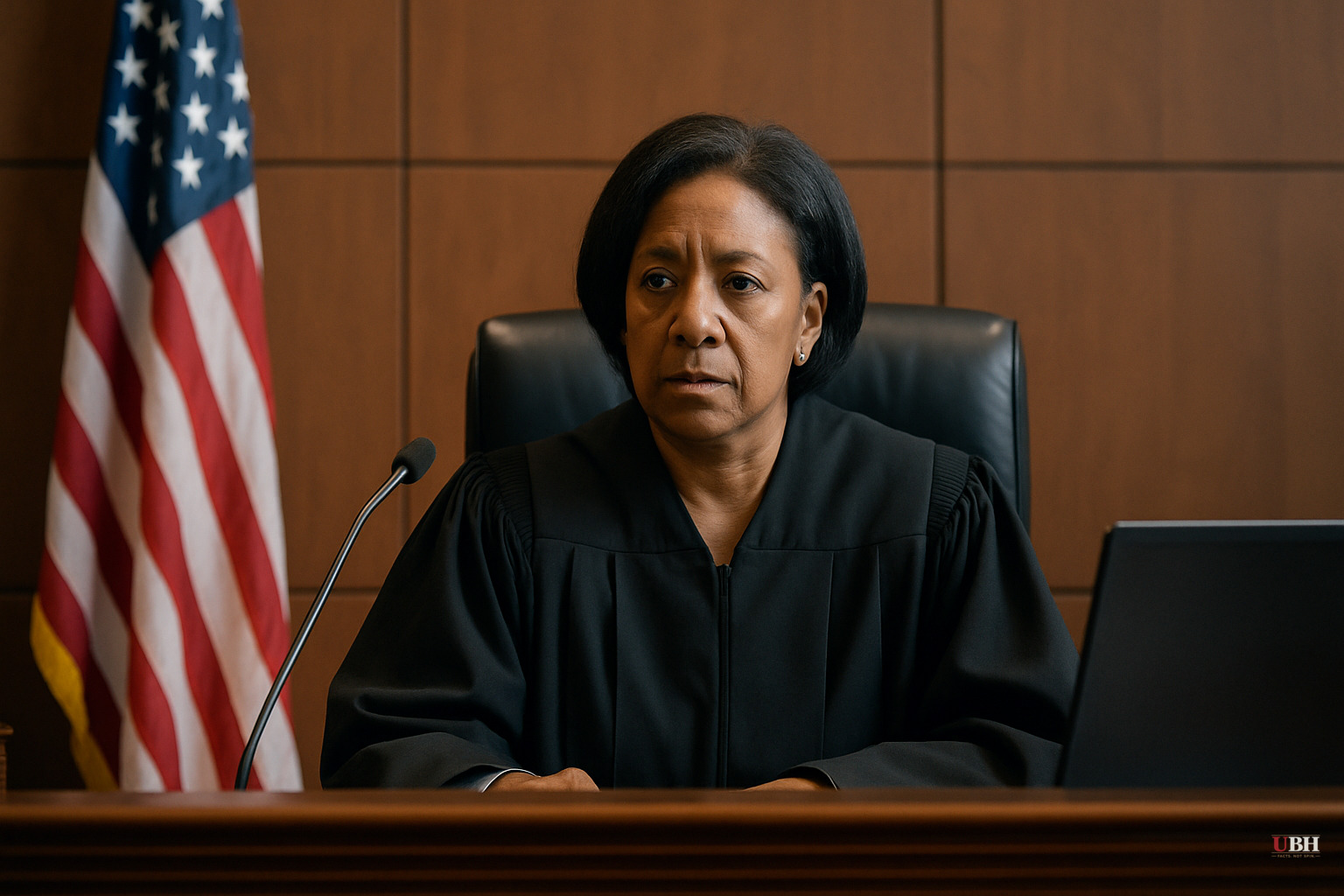
Since Trump signed his first elections executive order in early 2025, courts have been systematically dismantling it. Wednesday's ruling marks the culmination of that process.
U.S. District Judge Denise Casper, appointed to the District of Massachusetts by President Obama in 2011, converted her preliminary injunction from last year into a permanent one. The case, California v. Donald Trump, No. 25-cv-10810, was brought by Democratic attorneys general from 19 states.
What the Ruling Actually Does
Casper permanently barred the administration from requiring documentary proof of citizenship on the federal mail voter registration form, from altering the federal post card form used by military and overseas voters to add citizenship documentation requirements, and from withholding federal funds to pressure states into compliance. She also struck down the order's attempt to block states from counting mail ballots postmarked by Election Day but received afterward.
The constitutional rationale is straightforward. As Casper wrote: "The Constitution does not grant the President any specific powers over elections." Authority over election procedures belongs to states and Congress, not the executive branch. The challenged provisions are "ultra vires" — beyond the president's power — and violate the separation of powers.
Casper found no evidentiary basis for the order's stated emergency. "There is no evidence in this record of widespread illegal voting, discrimination, fraud, and other forms of malfeasance and error within American elections, which the Executive Order purports to safeguard against," she wrote.
None of the enjoined provisions had actually gone into effect before being blocked.
The Michigan Voter Rolls Decision
Separate from the Casper ruling, the U.S. Court of Appeals for the Sixth Circuit this week voted 2-1 to block the DOJ from compelling Michigan Secretary of State Jocelyn Benson to turn over unredacted voter registration data, including birth dates, partial Social Security numbers, and driver's license numbers for every registered voter in the state.
Writing for the majority, Judge Andre Mathis said the administration was attempting to invert the purpose of Title III of the Civil Rights Act of 1960. The law was designed to ensure people could vote freely; the court found the Trump DOJ was using it to verify that certain people had not voted. According to CBS News, this is the first appeals court to weigh in on the administration's voter roll demands. Nine district courts had already dismissed similar federal lawsuits against other states.
The Strongest Case for Citizenship Verification
The concern motivating Trump's order is not frivolous on its face. Federal law already requires people to attest to citizenship when registering to vote, but only documentary proof would make that attestation verifiable before registration is accepted. Supporters argue that without document checks, the honor system is the only backstop. They point out that proof of identity is required for far more routine activities than voting, and that auditing citizenship status after the fact is harder than confirming it upfront.
That is a legitimate structural concern about auditability. Casper's ruling addresses it narrowly: she did not find that citizenship verification is inherently unconstitutional, only that the president cannot impose it unilaterally. Congress can. The SAVE America Act, which would mandate citizenship documentation for federal voter registration, passed the House with Republican backing. It has stalled in the Senate.
Where Trump Goes From Here
The judicial losses have not slowed the broader push. Trump signed a second elections executive order in 2026 that attempts to create a national voter database and curtail mail voting. That order faces its own lawsuits. According to PBS, one federal judge declined to block it as premature, meaning it is currently being implemented while litigation proceeds.
On Wednesday, Trump announced he would withhold his signature from a bipartisan housing bill until Congress sends him the SAVE America Act, according to The Guardian. That leverage play signals the legislative route is now the primary focus.
Meanwhile, the USPS angle remains in play. Postmaster General David Steiner has said USPS will withhold mail ballot delivery in states that refuse to share voter lists, a position all 47 Democratic senators have warned could suppress eligible voters due to inaccuracies. The Guardian noted that position sits awkwardly alongside Wednesday's court ruling, since courts are simultaneously blocking federal access to the same voter data the USPS says it needs.
The specific open question: whether the Senate will move the SAVE America Act under Trump's legislative pressure, or whether the stalemate persists into the 2026 midterm cycle. Senate Majority Leader John Thune has not publicly committed to a floor vote.
Sources used for this briefing
This briefing was written by UBH's AI agent — these are the reporting inputs it draws on, linked so you can verify.


