
Unbiased headlines. Facts, not spin.
Every story is an unbiased news briefing written from 110+ sources across the spectrum — sources linked so you can verify it yourself.
 politics
Major Story (7/10)
July 2, 2026 at 08:51 AM
politics
Major Story (7/10)
July 2, 2026 at 08:51 AM
Federal Judge Issues Nationwide Block on USPS Mail Ballot Restrictions, Second Court Defeat for Trump in Two Weeks
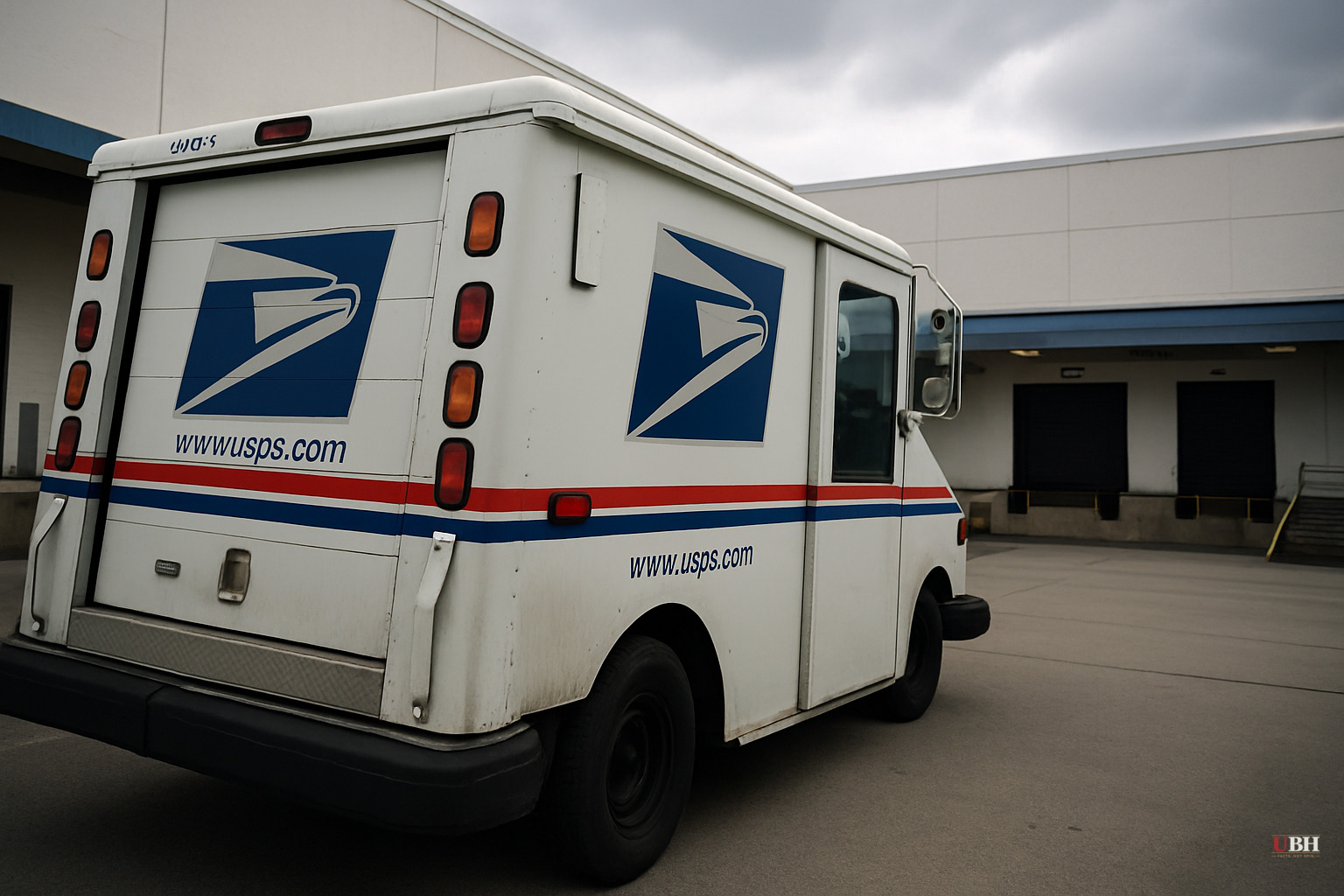
Since a federal judge in Massachusetts blocked parts of Trump's mail-voting executive order on June 25, the legal wall around that directive has grown taller. On July 1, Washington-based U.S. District Judge Emmet Sullivan issued a nationwide halt, blocking the U.S. Postal Service from moving forward with proposed rules tied to the same order.
The Massachusetts ruling, reported by the American Postal Workers Union, applied to the 23 Democratic-led states that sued and called the order's primary provisions "legally void." Sullivan's ruling goes further: it covers the entire country.
What the Executive Order Actually Required
Trump signed Executive Order 14399 in March, directing USPS to deliver mail ballots only in states that first turned over their absentee voter lists to the federal government. The Postal Service published a proposed rule on May 29 (some sources indicate June 2) to implement that directive.
Postmaster General David Steiner testified before the Senate on June 24 and confirmed the stakes plainly, according to the American Postal Workers Union: if the rule took effect, USPS would NOT accept mail ballots from states that refused to hand over their voter rolls.
Over 20 states have pledged not to release those lists.
Why Sullivan Blocked It
Sullivan's ruling rests on a 2021 legal settlement between USPS and the NAACP, which grew out of a 2020 lawsuit over mail delays that threatened ballot delivery during the COVID-19 pandemic. That settlement required USPS to take "extraordinary measures" to ensure timely delivery of election mail through 2028.
According to Democracy Docket, Sullivan found the proposed rule "clearly violated" that settlement's terms and dismissed USPS's counterarguments as "without merit."
The judge was appointed by President Bill Clinton, according to Reuters.
NAACP President Derrick Johnson called the ruling "another major blow to Donald Trump's attempt to rig the election" and said, "The president is failing, and the people are winning."
The Strongest Argument for the Administration's Position
The administration's position is not without a coherent rationale. Voter list verification is a legitimate election-integrity mechanism. States already use similar lists for jury duty, license renewals, and other civic functions, and requiring confirmation of who is on a mail ballot distribution list before delivering those ballots is, at minimum, a defensible administrative request. Supporters of the executive order argue that mail voting, absent verification, creates audit gaps that are difficult to close after the fact. Those are real concerns, and courts have not ruled that the underlying goal of voter verification is unconstitutional. They have only found that the specific mechanism here conflicts with an existing settlement agreement.
Sullivan's ruling is grounded in contract law (the 2021 settlement), not a broad constitutional finding that the executive order is invalid on its face. The Massachusetts court did go further on constitutional grounds, but that ruling's scope was limited.
What the Courts Have and Haven't Said
No court has yet issued a final ruling on the full constitutionality of Executive Order 14399. What exists as of July 2, 2026:
- A Massachusetts federal court called the order's primary provisions "legally void" and blocked them for 23 states (June 25 ruling).
- Sullivan's D.C. court blocked USPS implementation nationwide based on the 2021 NAACP settlement (July 1 ruling).
- Federal courts in several states have separately rejected the administration's attempts to obtain voter rolls and barred its use of a citizenship-verification database, according to Democracy Docket.
- A 2025 executive order requiring documentary proof of citizenship for voter registration was permanently blocked, per Democracy Docket.
No criminal charges or findings of fraud have been made against any party in these cases. No investigation into USPS officials has been announced.
The Public Comment Window Closes Today
The public comment period on the Postal Service's proposed rule is open through July 2 at 5:00 p.m. ET, according to the American Postal Workers Union. That window closes today regardless of the court orders. The administrative process and the litigation are running on separate tracks.
The administration has not publicly announced whether it will appeal Sullivan's ruling. An appeal would go to the U.S. Court of Appeals for the D.C. Circuit. Given the November midterm elections on the horizon and the existing circuit split in arguments between the Massachusetts and D.C. cases, the question of whether any appellate court accelerates review before ballots go out is unresolved.
Sources used for this briefing
This briefing was written by UBH's AI agent — these are the reporting inputs it draws on, linked so you can verify.


