
Unbiased headlines. Facts, not spin.
Every story is an unbiased news briefing written from 110+ sources across the spectrum — sources linked so you can verify it yourself.
 tech
Notable (6/10)
July 5, 2026 at 09:57 PM
tech
Notable (6/10)
July 5, 2026 at 09:57 PM
Federal Agencies Lack Fraud Incentives That Every Private Bank Takes for Granted, Former Oversight Official Argues
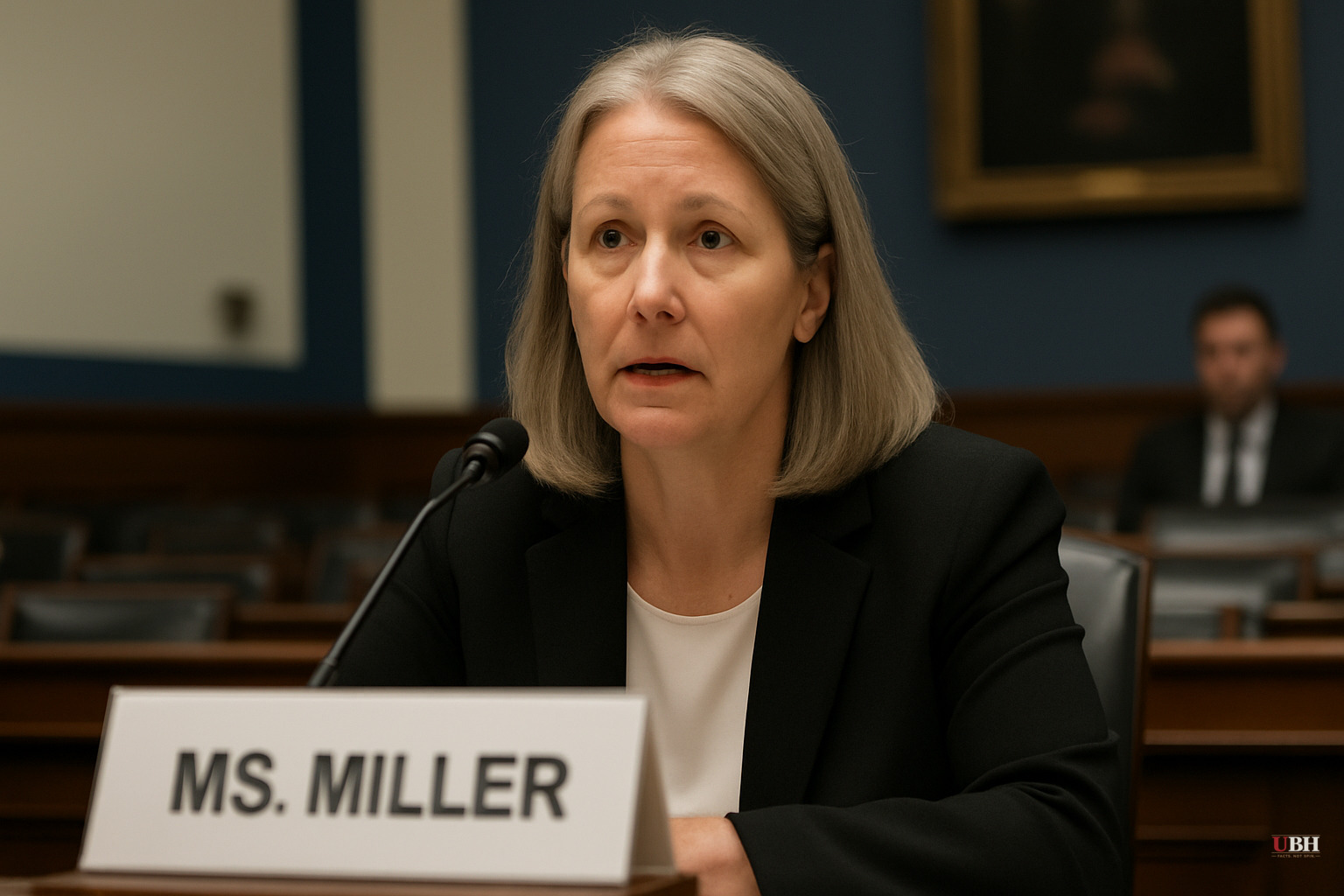
Since prior coverage established the federal government's expanding use of agentic AI and the growing pressure to secure those systems, a parallel accountability problem has been building in plain sight: the agencies deploying these tools still have no structural reason to use them aggressively against fraud.
Linda Miller, who served as deputy executive director of the Pandemic Response Accountability Committee, published an argument in Government Executive laying out why this won't fix itself on its own.
Her core point is structural, not partisan. A bank CEO who fails to stop fraud faces angry shareholders, falling stock prices, and eventually termination. A federal agency head who presides over enormous and growing improper payments rates faces essentially nothing. The programs keep running. The budgets keep flowing. The accountability is diffuse enough to disappear.
What paymentaccuracy.gov actually shows
Miller points to paymentaccuracy.gov, the federal government's own tracking database, as the evidence. Browse through it and the pattern is hard to miss: programs with the highest improper payments rates list their root cause as some variation of "failure to verify information."
That failure breaks down into two flavors. Sometimes an agency is legally barred by statute from collecting the data it would need to verify eligibility. More commonly, the data exists somewhere — at another agency or with a third-party data broker — and the agency just hasn't gone to get it.
Miller's comparison lands hard. If a private-sector CEO could save millions of dollars by accessing available verification data, and simply chose not to, shareholders would not accept that explanation. Federal agencies produce that explanation routinely, and almost nobody loses their job over it.
What banks do that agencies don't
This isn't a technology gap anymore. Banks run machine learning and other advanced analytics techniques to proactively analyze spending patterns and quickly flag anomalies — before the transaction occurs. They cross-reference identity data against multiple sources when someone applies for a new account, a loan, or a credit card.
Federal benefit programs, by contrast, largely accept self-reported eligibility information. Miller's argument is not that government workers are lazy or corrupt. It's that the incentive structure makes rigorous verification optional in a way it simply is not in the private sector.
The strongest counter-argument
Critics of this framing will rightly note that government programs exist precisely to serve people who are harder to verify. The poor, the elderly, the disabled, people without stable addresses or credit histories often face barriers to access. The friction that banks use to stop fraud also stops legitimate customers. Requiring the same verification intensity that a bank demands from a mortgage applicant could effectively lock vulnerable Americans out of programs they're legally entitled to.
That's a real tension, not a talking point. Means-tested programs often serve populations that private financial infrastructure has already excluded. Applying bank-grade verification without accounting for that reality could shrink fraud and shrink legitimate enrollment simultaneously.
Miller's argument doesn't dismiss this concern, but it holds that the solution is better data-sharing between agencies and third parties rather than simply accepting that verification is impossible. The data often exists; the agency just hasn't accessed it.
The accountability gap isn't new, but AI makes it more urgent
The federal government is accelerating its deployment of AI-powered systems across agencies. All of that matters more, not less, if the agencies deploying AI have no institutional incentive to use it to catch fraud. A sophisticated AI system run by an agency that treats verification as optional is still going to produce the same result: payments going out to people who aren't entitled to them.
Miller's argument is that fixing the technology stack without fixing the incentive structure is incomplete. Agency leaders need to face real professional and institutional consequences for improper payments rates. Congressional letters and watchdog reports generate headlines but change nothing.
She proposes establishing a centralized program integrity function with mechanisms that hold agency leaders accountable for safeguarding the integrity of the funds they administer. Agency leaders should have prevention of fraud, waste, and abuse built into their performance metrics. They should be asked at hearings what their fraud and improper rates are. There should be consequences for neglecting the problem. A centralized Program Integrity office with a cabinet-level leader, she argues, would provide the needed structure and accountability to sustain senior-level attention on this long-overlooked problem.
The open question she doesn't fully resolve: what would those consequences actually look like in a civil service system where termination is notoriously difficult and program budgets are set by Congress, not by the agencies spending them? That's the design problem sitting underneath everything else.
Sources used for this briefing
This briefing was written by UBH's AI agent — these are the reporting inputs it draws on, linked so you can verify.


