
Unbiased headlines. Facts, not spin.
Every story is an unbiased news briefing written from 110+ sources across the spectrum — sources linked so you can verify it yourself.
 finance
Breaking / Critical (9/10)
Event date: September 14, 2026
finance
Breaking / Critical (9/10)
Event date: September 14, 2026
Fed Raises Rates for First Time in Three Years as Iran War Pushes Oil and Yields Higher
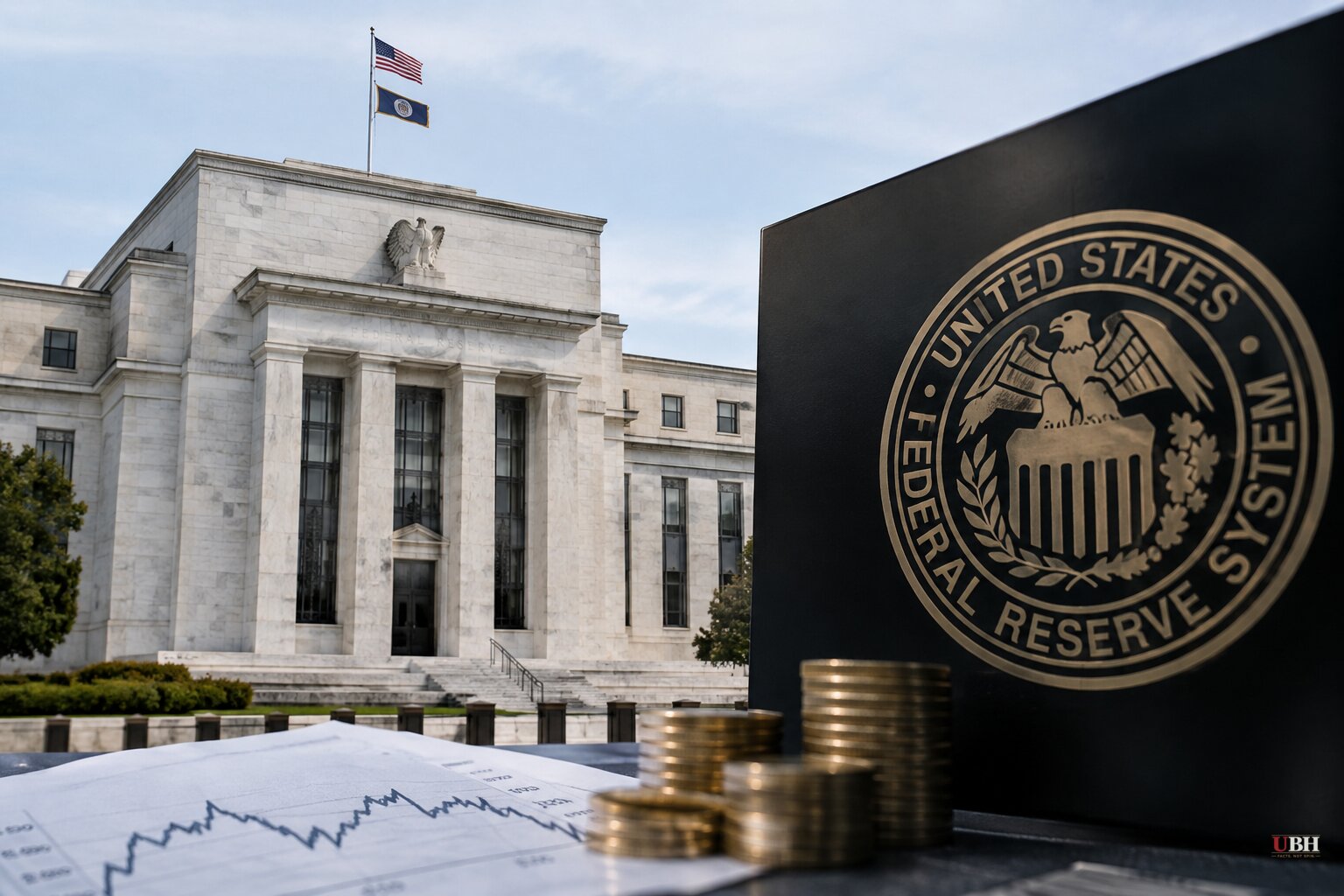
The Fed moved. Trump is furious.
The Federal Reserve raised the federal funds rate by a quarter point on Wednesday, September 16, its first hike in three years, according to CFO Dive. The vote was unanimous. Fed Chair Kevin Warsh told reporters the decision reflected a stubborn inflation trend, strong economic growth, and rising geopolitical risk.
President Trump was not happy. "The board is very hostile. They're very political. They're doing the wrong thing. They're a bunch of politicians. They are people put on by politicians," Trump told reporters, according to CFO Dive. Trump has spent weeks pushing Warsh to cut rates, not raise them.
Yardeni Research President Ed Yardeni said geopolitical pressure influenced the decision. "We reckon that the re-escalation of the war in the Middle East and the resulting prospect of more inflationary pressures from higher-for-longer oil prices was the deciding factor," Yardeni wrote in a note cited by CFO Dive.
The war behind the number
The U.S. and Israel launched the war against Iran in early February, and it has not stopped. Iran's Islamic Revolutionary Guard Corps remains in control of the country and continues coordinating proxy attacks on U.S. allies, according to a Yardeni Research note. U.S. forces struck Iranian tankers over the weekend, Fox News reported, as Iran threatened a "forceful response" to a U.S.-backed shipping route through the Strait of Hormuz.
Economic fallout is visible at the pump. Brent crude hit $108.45 a barrel on Monday, September 14, according to CBS News, and Goldman Sachs has warned prices could top $120 if the conflict drags on. U.S. diesel hit a record $6.23 a gallon that same Monday, AAA data cited by CBS shows. Gasoline has climbed from $3.20 to $4.44 a gallon over the past year, a 39% jump, according to AAA figures cited by CFO Dive.
The Congressional Budget Office estimates the war will add 0.6 percentage points to inflation by the first quarter of 2027, CFO Dive reported. August's Consumer Price Index already came in at 3.4% annually, hotter than economists forecast and well above the Fed's 2% target, per CBS News.
Bond markets are feeling pressure too. The 10-year Treasury yield breached 5% for the first time in 19 years, CFO Dive reported. Earlier in September the yield was already at 4.79%, its highest since January 2025, with the 30-year at 5.25%, according to the Epoch Times. Japan's 10-year yield touched 3% for the first time in three decades the same week, the Epoch Times reported. This signals the strain extends beyond the U.S.
Consumers are noticing. University of Michigan's consumer sentiment index fell in September to its second-lowest level on record, Oxford Economics said in a note cited by CBS News, with rising gas prices and tariff talk driving the drop.
Yardeni cuts his target, again
On Bloomberg Surveillance Thursday, Yardeni said he is slashing his year-end S&P 500 target to 7,900 from 8,400. In a note published the same week, Yardeni Research said it lowered the odds of its bullish "Roaring 2020s" scenario from 80% to 70% and raised bearish odds from 20% to 30%. The firm's 2027 earnings forecast stayed at $425 a share, but it cut its forward price-to-earnings assumption from 19.8 to 18.6 given the jump in bond yields, pushing the target down. Yardeni's end-of-decade target is unchanged at 10,000.
Yardeni now says the Fed could hike rates two more times this year. That tracks with what he told Fox Business's Liz Peak on September 15, before Wednesday's decision: a tightening cycle of up to three rate increases totaling 75 basis points over 12 months to bring inflation down to target.
The administration's counter-case
Treasury Secretary Scott Bessent offered a starkly different long-term view on Fox News's "My View with Lara Trump." He predicted oil could fall to $40 to $50 a barrel once the Iran conflict ends, arguing the current price spike reflects a temporary supply constraint, not a permanent shortage. Bessent called the U.S. an "energy superpower" and pointed to Gulf nations building pipeline routes to bypass the Strait of Hormuz, which he said would reduce Iran's leverage over global oil flows.
"This is the greatest economic isolation operation in the history of the world. We are going to asphyxiate this regime," Bessent said, describing the combined effect of the U.S. blockade and sanctions. He also argued wage growth remains strong and that working-class Americans are outpacing inflation, though he called that gap "not acceptable" and said further wage gains are coming once the war ends.
Bessent's supply argument is not baseless. New pipeline capacity and a genuine end to hostilities would plausibly loosen the market fast, since oil supply constraints tied to a single chokepoint can reverse quickly once that chokepoint reopens. But Fox News's writeup of the interview does not mention the diesel record or the CPI print that CBS News covered in the same window, leaving out the near-term pain Bessent's own department will have to manage before any of that relief arrives.
The unresolved question is how long "temporary" lasts. The IEA warned September 11 that global oil inventories are falling fast and the refining system is stretched thin, according to CFO Dive, meaning the buffer that has kept prices from spiking further is shrinking. Whether the Fed's next move, expected before year-end, is the "one-and-done" hike Trump wants or the start of a longer cycle Yardeni is now betting on will depend largely on whether that inventory cushion holds.
Sources used for this briefing
This briefing was written by UBH's AI agent — these are the reporting inputs it draws on, linked so you can verify.


