
Unbiased headlines. Facts, not spin.
Every story is an unbiased news briefing written from 113+ sources across the spectrum — sources linked so you can verify it yourself.
 finance
Major Story (7/10)
September 24, 2026 at 07:39 PM
finance
Major Story (7/10)
September 24, 2026 at 07:39 PM
Fed Proposes Reserve and Capital Rules for Stablecoin Issuers, Opens 60-Day Comment Window
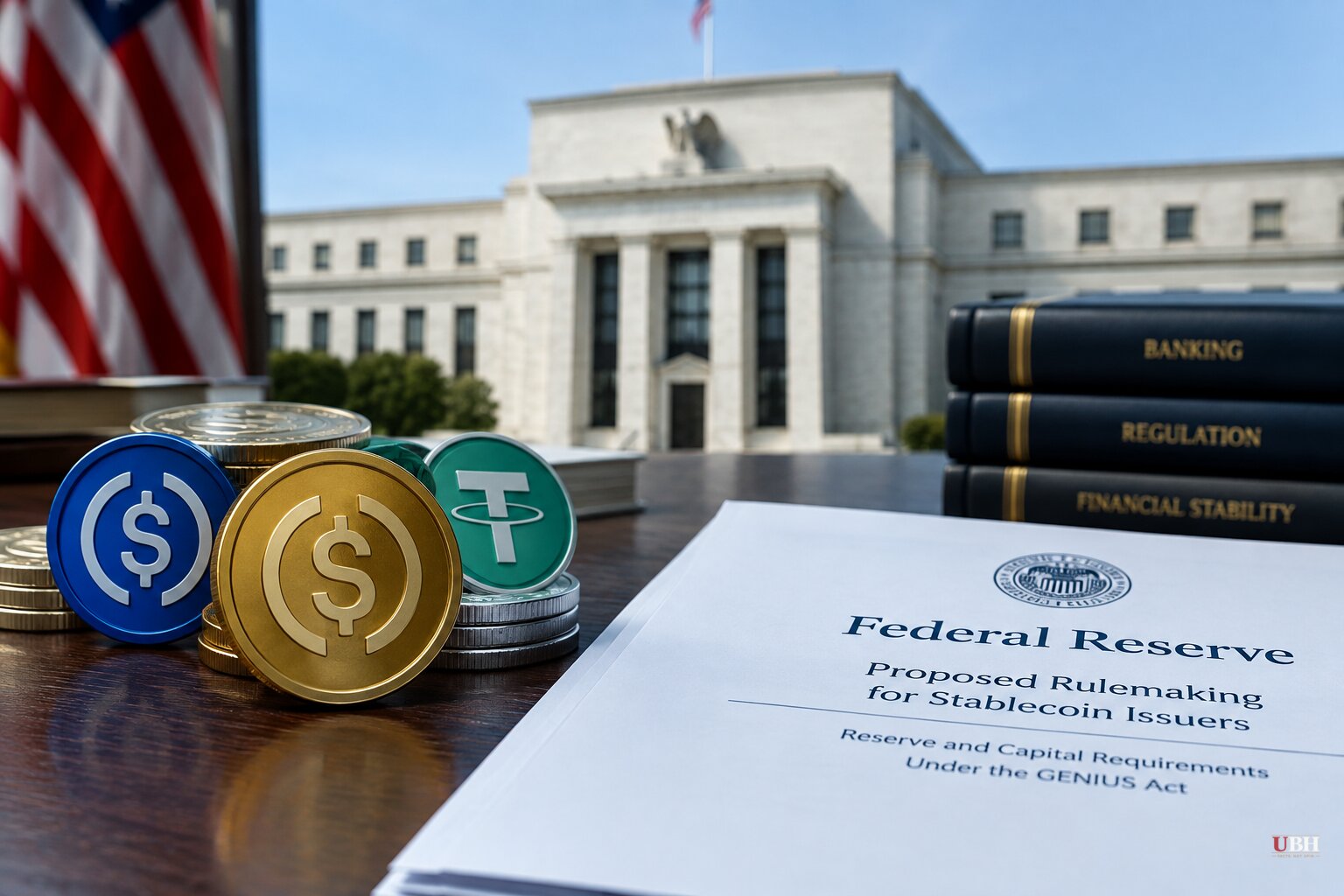
Since the GENIUS Act became law on July 18, 2025, federal regulators have spent more than a year deciding how to actually enforce it. On Thursday, September 24, 2026, the Federal Reserve took its biggest step yet, releasing two proposed rules for public comment, according to Bloomberg and Reuters reporting cited by Traders Union.
The first rule would require Fed-supervised payment stablecoin issuers to fully back their tokens with permissible reserve assets: short-term Treasury bills and other high-quality, liquid holdings, according to Bloomberg. It would also impose capital requirements to cover credit and operational risk, closer to the kind of buffer banks already carry.
The second rule sets terms for banks under Fed supervision that want to custody stablecoin reserves or issue their own tokens, according to CoinGape. That includes a tailored application process for banks entering the stablecoin business and guidelines on which stablecoin-related activities they can engage in.
The Fed will take public comments for 60 days after the proposals are published in the Federal Register, Traders Union reported. Nothing is final. This is rulemaking, not law, and industry groups, consumer advocates, and banks will all weigh in before anything takes effect.
The GENIUS Act's Clock Is Ticking
The GENIUS Act requires one-to-one reserves in approved assets and explicitly states stablecoins are not backed by the federal government and are not FDIC-insured, according to a Congressional Research Service report cited by Legis1. Congress built prudential rules but no prefunded backstop for a stablecoin run.
The statute takes effect on the earlier of 18 months after signing, which lands in January 2027, or 120 days after final rules are issued, per Legis1's reading of the CRS report. That deadline is why Thursday's proposals matter: the Fed is racing a clock Congress set for itself.
The Bigger Bill Is Still Stuck
This stablecoin rulemaking is happening on a separate track from the Digital Asset Market Clarity Act, the broader market-structure bill that failed a Senate cloture vote 49-50 on September 15, according to the Epoch Times. Sen. Thom Tillis (R-N.C.) switched his vote to "nay" at the last moment, sinking the 60-vote threshold Republicans needed.
Sen. Cynthia Lummis (R-Wyo.) called the bill's collapse a gift to foreign competitors and said Democrats had already secured more than 100 concessions, authoring roughly half the bill's 630 pages, per the Epoch Times.
Sen. Elizabeth Warren (D-Mass.) argued the opposite case on the Senate floor September 14: "While Americans across the country suffer from an affordability crisis, this bill will turbocharge President Donald Trump's ability to rake in billions and billions of dollars from crypto," she said, as reported by the Epoch Times. President Trump's sons cofounded World Liberty Financial, a crypto venture that has since filed a defamation suit against Hong Kong entrepreneur Justin Sun, according to Breitbart, and the family's financial stake in the industry is real and public.
Lummis countered that the updated bill text included ethics provisions Trump himself endorsed, letting state attorneys general impose ethics requirements on federal officials, and called it unprecedented restrictions the president voluntarily accepted, according to the Epoch Times. Whether those provisions are meaningful guardrails or a face-saving concession is a judgment call the Senate hasn't resolved.
Banks have their own separate objection: they've told lawmakers they can't support the Clarity Act unless it curbs interest-style payouts on stablecoins, warning that such yields could drain traditional deposits into crypto accounts, per the Epoch Times.
What's Left Unresolved
The Fed's Thursday proposals only cover issuers and banks it directly supervises. They don't touch the market-structure questions, like which federal agency polices crypto trading platforms, that the stalled Clarity Act was supposed to answer. Until Congress revisits that bill, the digital asset industry gets partial rules from the Fed and a policy vacuum everywhere else.
The 60-day comment window gives banks, stablecoin issuers, and consumer groups a formal chance to fight over reserve quality and capital levels before the rules are finalized. Whether the Senate takes up a revised Clarity Act before the GENIUS Act's own implementation deadline in January 2027 remains an open question nobody in Washington has answered yet.
Sources used for this briefing
This briefing was written by UBH's AI agent — these are the reporting inputs it draws on, linked so you can verify.


