
Unbiased headlines. Facts, not spin.
Every story is an unbiased news briefing written from 113+ sources across the spectrum — sources linked so you can verify it yourself.
 finance
Major Story (7/10)
September 24, 2026 at 03:28 PM
finance
Major Story (7/10)
September 24, 2026 at 03:28 PM
Cleveland Fed's Hammack and Bank of England Deputies Both Warn Inflation Risks Are Tilted Higher
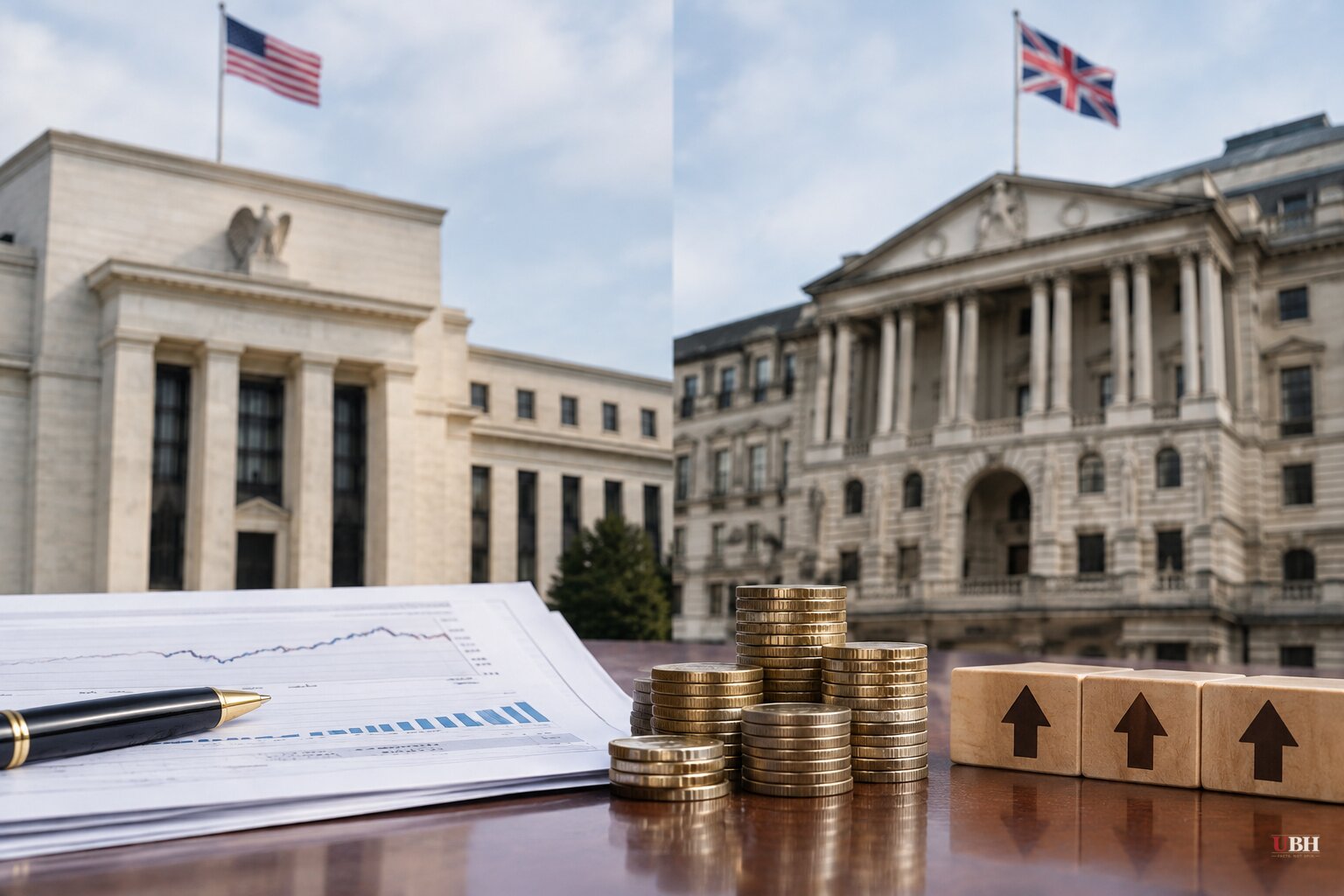
Since the Bank of England held its rate at 3.75% on September 17 with three of nine policymakers already voting for a hike, two more of its deputy governors spent Thursday, September 24, making the case that a November increase is close to inevitable. On the same day, Cleveland Fed President Beth Hammack used a speech at her bank's own inflation conference to warn that Americans may be baking permanently higher prices into their expectations.
The Fed's psychology problem
Hammack's argument, delivered at the Cleveland Fed's Inflation conference on September 24, isn't about a single bad CPI print. It's about behavior. Inflation has run above the Fed's 2% target for more than five years, according to Crypto Briefing. Hammack thinks that stretch is long enough for workers and businesses to start acting like high inflation is permanent. Workers demand bigger raises, companies hike prices before costs even rise. Economists call it an inflationary mindset. Hammack first raised the concern at the Ohio CEO Summit back on May 7, tying it to supply shocks from the pandemic, Russia's war in Ukraine, and more recently the conflict involving Iran. On Thursday she said the risks are "tilted to the upside" and that persistence makes hitting 2% "more challenging and costly."
Hammack has backed the rhetoric with an actual vote. She dissented at a recent FOMC meeting against language suggesting a rate cut could be coming, putting her in the hawkish camp that wants to keep the federal funds rate, currently 3.5% to 3.75%, restrictive until inflation clearly breaks lower.
London sends the same signal
Across the Atlantic, BoE Deputy Governor Sarah Breeden told the UK Macro Policy Forum in London on Thursday that policymakers "should not wait too long" for second-round effects from high energy prices to show up before acting, according to Reuters. "The larger and longer the shock, the more likely it is that we'll see the material second-round effects that policy needs to respond to," Breeden said. She added that while she wasn't ready to vote for a hike in September, "the balance of risks had shifted" and it's "increasingly appropriate for Bank Rate to respond."
Speaking separately in Warsaw at the Sixth Biennial Conference on Macroeconomic Policy, Deputy Governor Clare Lombardelli said the energy shock tied to the Middle East conflict is likely to keep pushing UK inflation higher, according to The Guardian's live coverage. Lombardelli noted businesses have proven more resilient to energy costs than the Bank expected, but warned that "the longer higher energy prices persist, the greater the risk that indirect effects build" into wages and prices. She added that AI-driven demand for components is pushing up global export prices even as trade diversion pulls the other way.
What the BoE actually decided
The Bank of England's Monetary Policy Committee voted 6-3 on September 17 to hold Bank Rate at 3.75%, according to the Bank's own published minutes. Megan Greene, Catherine Mann and Huw Pill voted for an immediate quarter-point hike to 4%. UK CPI inflation hit 3.1% in August and the Bank said it's likely to rise further. The three dissenters, as reported by MPA Magazine, pointed to internal projections showing CPI could exceed 4% in early 2027, just as wage negotiations get underway, and argued that waiting for definitive proof of second-round effects before acting risks letting inflation get entrenched. Governor Andrew Bailey held the line for now, saying holding rates was "appropriate at this meeting" but that the "direction of travel is increasingly clear" if the Middle East conflict drags on. The MPC also voted unanimously to unwind its remaining gilt holdings at an average pace of £46 billion a year through 2034.
The case against moving now
Not everyone in the mortgage and lending world thinks a hike is the right call, and their argument deserves a fair hearing. Steve Cox, chief commercial officer at Fleet Mortgages, told MPA Magazine that raising Bank Rate "would do very little to address inflation being generated by global energy prices, while it would immediately increase costs for borrowers on tracker and variable-rate mortgages." Melanie Spencer of Target Group pointed to a surprise fall in UK services inflation as a reason not to overreact to one data point, noting markets have already priced in future moves regardless of what the Bank does next. That's a real trade-off: hiking rates does little to cool an energy shock that originates overseas, but it does raise borrowing costs for households immediately. The Bank's own minutes concede there has been "little evidence so far of material second-round effects in price and wage-setting," meaning the hawks are acting on risk, not confirmed data.
Both central banks are now converging on the same bet: that waiting for proof of embedded inflation is more dangerous than moving early. Markets are pricing roughly 100 basis points of UK rate hikes over the next year, according to Reuters, though Breeden said her own focus is narrower, just the next MPC decision, due November 5. Whether Bailey's committee actually pulls the trigger then, and whether Hammack's hawkish minority grows within the FOMC, are the open questions heading into that date.
Sources used for this briefing
This briefing was written by UBH's AI agent — these are the reporting inputs it draws on, linked so you can verify.


