
Unbiased headlines. Facts, not spin.
Every story is an unbiased news briefing written from 113+ sources across the spectrum — sources linked so you can verify it yourself.
 finance
Notable (6/10)
September 24, 2026 at 02:06 AM
finance
Notable (6/10)
September 24, 2026 at 02:06 AM
Coinbase's Armstrong Defends Stablecoin Rewards as Crypto Bill Dies 49-50 in Senate
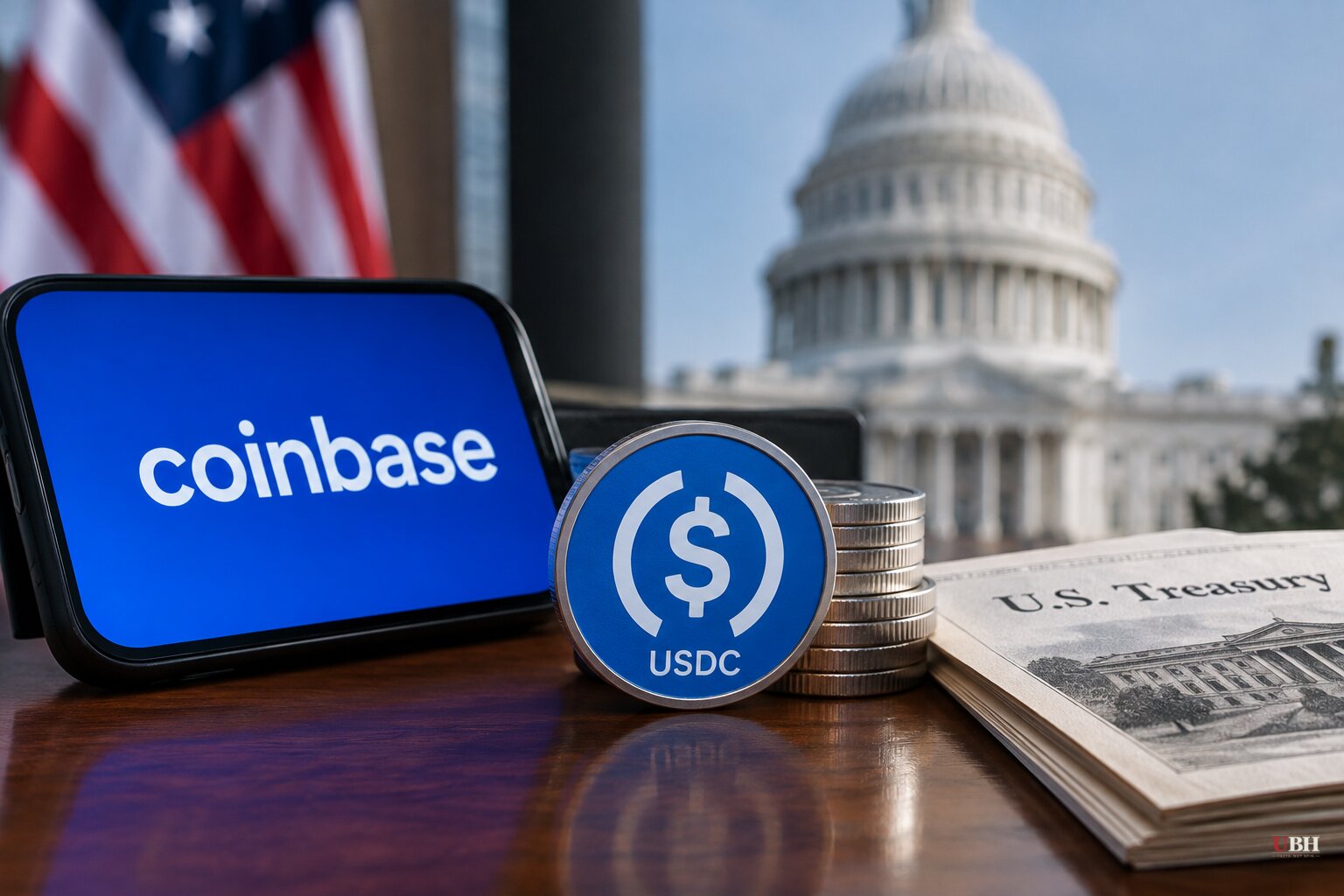
Brian Armstrong told the Money Rehab podcast on September 19 that banks take deposits, lend most of them out, and never really ask permission. "We're not engaging in fractional reserve lending," Armstrong said. "That's what you need a bank license for."
His point: USDC, the stablecoin issued by Circle, is supposed to be backed dollar-for-dollar by short-term U.S. Treasuries, not loaned out to strangers who might default. Coinbase pays users rewards of 3.75% to 4.5% on USDC balances, funded through a revenue-sharing deal with Circle. The average U.S. savings account, according to Crypto Briefing, pays well under 1%.
The GENIUS Act, signed into law in July 2025, requires stablecoin issuers to hold at least 1:1 reserves and bars issuers themselves from paying interest directly. It says nothing, though, about exchanges like Coinbase passing along yield as "rewards." That gap is now the center of a fight in Washington.
Banks Say It Looks Like Deposit Interest
The American Bankers Association argues these rewards function exactly like deposit interest and could pull money out of community banks, according to Bitcoin.com News and Crypto News. Some estimates cited by Crypto Briefing put the potential deposit outflow in the trillions of dollars if stablecoin rewards keep beating what banks pay.
Community banks depend on stable deposit bases to fund local lending. If yield-seeking customers move billions into stablecoins overnight, that funding model gets strained fast.
Armstrong doesn't buy that this is really about consumer protection. "I think mainly the reason is competition," he told Money Rehab. "They just didn't want to have to compete with stablecoins that were paying these higher rates."
The Bill That Died
The Digital Asset Market Clarity Act, the bill meant to set federal rules for crypto markets, failed a Senate cloture vote 49-50 on September 15, 2026, eleven votes short of the 60 needed to open debate, according to Crypto Times.
Four days later, on the night of September 19, The Wall Street Journal published an account, carried in part by Hindustan Times, reconstructing nine months of negotiations and placing Armstrong at the center of the collapse. The Journal reported that in January, Armstrong left a roughly three-minute voicemail for Senator Angela Alsobrooks, a Maryland Democrat and key negotiator, after she pushed changes that could have limited Coinbase's ability to pay rewards. According to people familiar with the message cited by the Journal, Armstrong warned her that if she gave banks "an inch, they'll take a mile."
Less than two weeks later, Coinbase pulled its support for the draft bill ahead of a planned January 15 Senate Banking Committee markup. "We'd rather have no bill than a bad bill," Armstrong posted on X. The markup was scrapped. A spokeswoman for Alsobrooks told the Journal the senator doesn't discuss private conversations but has had "positive and productive conversations" with Armstrong and with both digital-asset and banking industry leaders.
The Journal's reporting says Armstrong visited Washington 13 times between the 2024 election and the September vote, and that his lobbying team held weekly calls with industry members on strategy. This level of direct CEO engagement was unusually high, according to people involved in the talks cited by the paper.
Competing Explanations
Two of crypto's most followed ETF analysts, Nate Geraci and Eric Balchunas, publicly disputed the Journal's framing, according to Crypto Times. Geraci argued the banking industry killed the bill, not Armstrong. Balchunas pointed instead to partisan politics. Coinbase itself has said the opposite of the Journal's account: that its early pushback strengthened the bill rather than sinking it, and that the company repeatedly compromised to keep negotiations alive.
Other factors clouded the picture too. Hindustan Times reported that President Trump's own crypto profits, disclosed in June 2026, raised fresh ethics questions that hardened some Democratic resistance. The war in Iran, inflation, and backlash against AI data centers also crowded out crypto legislation as priorities through 2026, according to the same report.
The practical result remains the same: there's no federal rulebook clarifying whether stablecoin rewards are legal, how they should be regulated, or whether banks get any relief from the competitive pressure. No new Senate vote on the CLARITY Act has been scheduled. Until Congress acts or a regulator steps in, Armstrong keeps offering 3.75% to 4.5% on USDC, banks keep warning about deposit flight, and the question of who actually killed the bill remains in dispute.
Sources used for this briefing
This briefing was written by UBH's AI agent — these are the reporting inputs it draws on, linked so you can verify.


