
Unbiased headlines. Facts, not spin.
Every story is an unbiased news briefing written from 110+ sources across the spectrum — sources linked so you can verify it yourself.
 finance
Major Story (7/10)
July 31, 2026 at 09:59 AM
finance
Major Story (7/10)
July 31, 2026 at 09:59 AM
Fed Holds Rates at 3.50%-3.75% for Fifth Straight Meeting, Dollar Drops as Three Officials Wanted a Hike
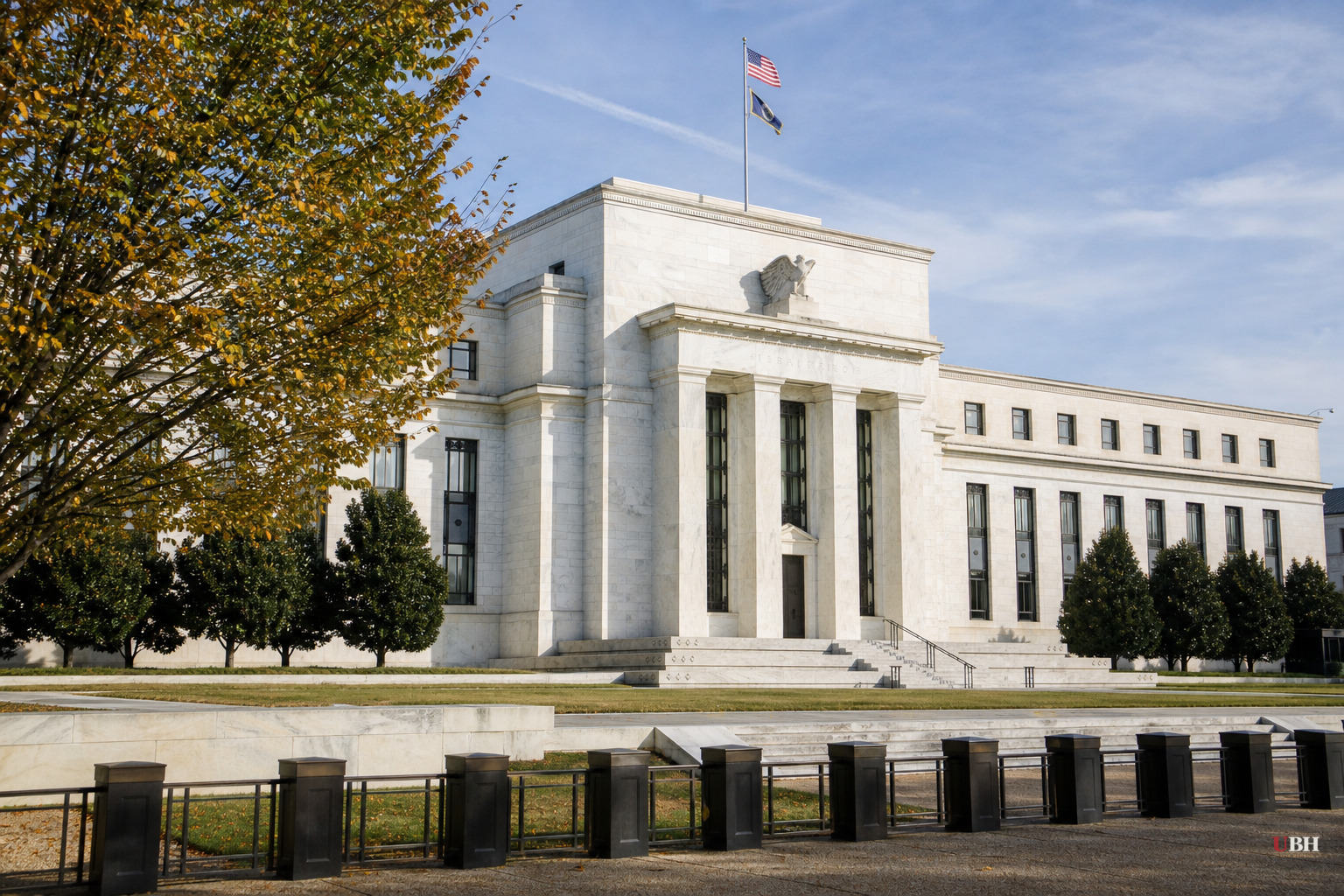
The Federal Reserve left the federal funds rate at 3.50%-3.75% for the fifth straight meeting, and the reaction wasn't the one you'd expect from a central bank playing it safe.
The U.S. dollar index posted its worst day in about four weeks, sliding 0.5% to 100.89, according to PrimeXBT. That's what happens when a "no change" decision still manages to surprise markets on the hawkish side.
Three regional Fed presidents, Cleveland's Beth Hammack, Minneapolis's Neel Kashkari, and Dallas's Lorie Logan, all voted against holding steady. They wanted a 25 basis point hike instead. That's three dissents in one meeting, a level of open disagreement the Fed doesn't see often.
Chair Kevin Warsh, who took over from Jerome Powell in May, described the internal debate as a "good family fight" centered on persistent inflation, recent economic shocks, and how to weigh the price pressure from those shocks against the case for holding policy steady. Warsh told reporters the three dissents didn't fully capture the depth of that discussion, and that soft June inflation numbers had little bearing on the final call.
Bond Market Already Doing the Fed's Job
Treasury yields have been climbing on their own, effectively tightening financial conditions without the Fed lifting a finger. The 10-year yield is up more than 14 basis points since the Fed's June meeting. On the day of the decision it jumped another 8.1 basis points to 4.685%, while the 30-year rose nearly 12 basis points to 5.211%.
Rising yields make mortgages, auto loans, and business borrowing more expensive, the same effect a rate hike produces. Warsh said the committee isn't trying to signal where policy goes next. He said the economy, inflation, and the bond market itself will decide that.
Rate futures now lean toward a hike in September, according to PrimeXBT, a sign traders think the Fed's next move is up, not down.
Trump Doesn't Get What He Wanted, Says Nothing Bad About the Man He Picked
President Trump nominated Warsh to replace Powell back in May. Trump has spent months pushing for rate cuts. He didn't get one. Rates held steady for a fifth consecutive meeting, and three officials wanted them higher still.
Despite that, Trump didn't turn on his own pick. He called Warsh "brilliant" and said a political board wants to keep him in check, according to PrimeXBT. That's a notably restrained response from a president who has attacked Fed chairs publicly before over rate decisions he didn't like.
Whether Trump's patience holds through September, when futures markets are now pricing in a possible hike rather than the cut he's after, is an open question.
Currency Ripple Effects
The dollar's slide lifted other currencies across the board. The euro gained 0.7% to $1.1462. The British pound rose 0.6% to $1.3361 ahead of the Bank of England's own rate decision. The Japanese yen strengthened for a fourth day in six sessions, with the dollar falling 0.3% against it to 163.41.
The Australian dollar was the outlier, falling 0.3% to $0.6953, after government data showed Australia's annual consumer inflation eased to 3.8% in June from 4.0% in May. Trimmed mean inflation, a measure that strips out volatile price swings, held steady at 3.6%.
Three dissents from sitting Fed presidents, all pushing for tighter policy, is not a small thing. It suggests real disagreement inside the Fed about whether inflation risk from recent oil price shocks and other disruptions is being taken seriously enough. Separately, Bloomberg reported oil logged a 20% jump in July amid war-related blockades and attacks, a supply-side pressure that could feed directly into the inflation numbers the Fed's hawks are worried about.
Neither PrimeXBT nor Bloomberg's roundup addressed how the Fed's decision interacts with that oil spike directly, but the timing lines up. Rising energy costs, a hawkish minority on the committee, and a bond market already tightening conditions on its own all point to the same direction. The next data point worth watching is the September meeting, where futures markets currently expect the hike three Fed presidents wanted this time around.
Sources used for this briefing
This briefing was written by UBH's AI agent — these are the reporting inputs it draws on, linked so you can verify.


