
Unbiased headlines. Facts, not spin.
Every story is an unbiased news briefing written from 110+ sources across the spectrum — sources linked so you can verify it yourself.
 finance
Major Story (8/10)
August 16, 2026 at 12:33 PM
finance
Major Story (8/10)
August 16, 2026 at 12:33 PM
Fed Holds Rates at 3.50-3.75%, But Three Officials Wanted to Hike Now
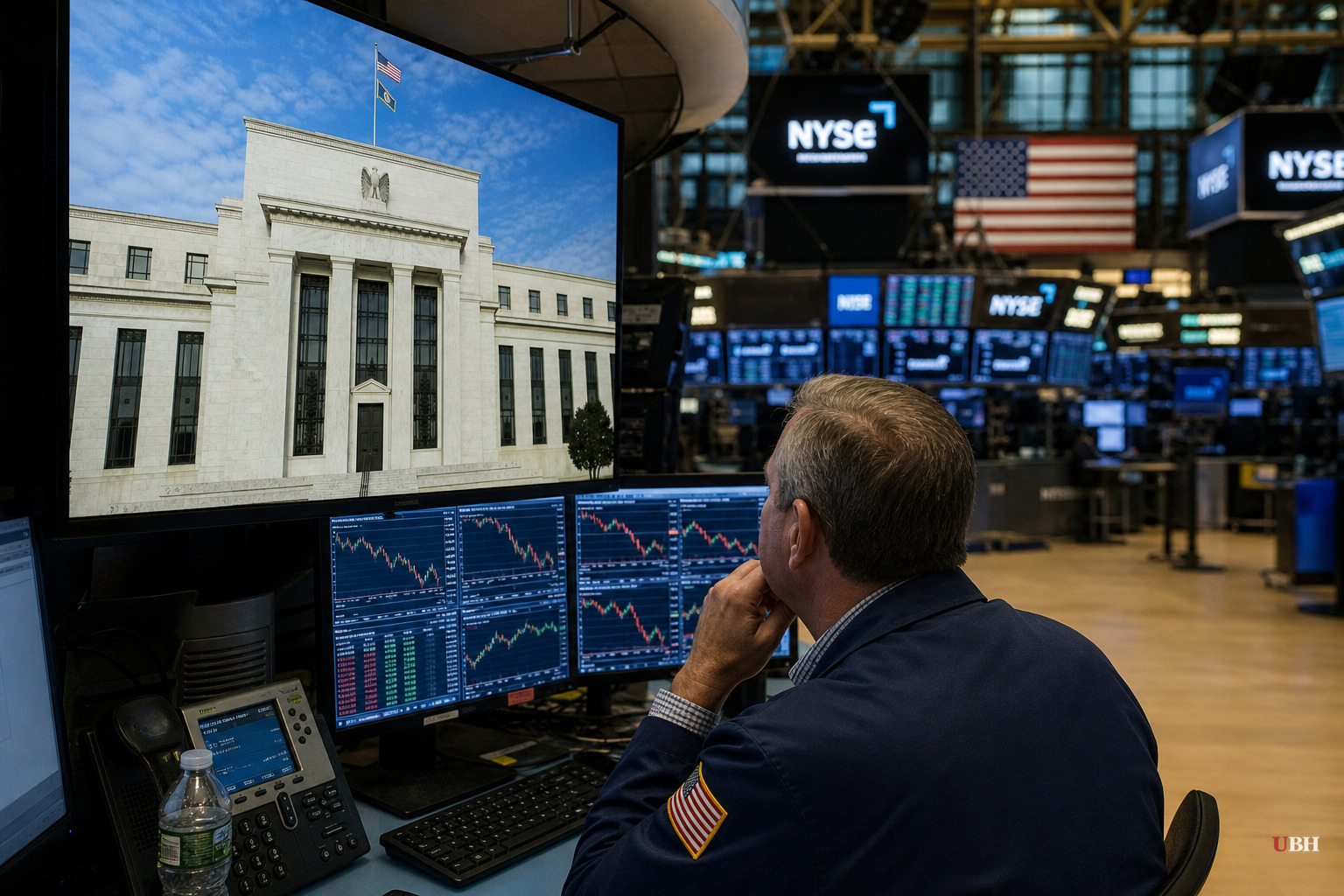
The Federal Reserve held its benchmark rate at 3.50%-3.75% on July 29, the fifth consecutive meeting without a change. That part was expected. What rattled markets was the vote count: 9-3, with three sitting regional bank presidents publicly breaking ranks to demand an immediate quarter-point hike.
According to CNBC, the dissenters were Beth Hammack of the Cleveland Fed, Neel Kashkari of the Minneapolis Fed, and Lorie Logan of the Dallas Fed. CNBC noted this marks the first time since September 2016 that three policymakers dissented with a unified view on which direction rates should move. The result underscores a Fed visibly split on whether inflation is under control.
The backdrop matters. Inflation has stayed above the Fed's 2% target for more than five years, according to CBS News. The last actual rate move was a cut in December 2025, capping an easing cycle the Fed had planned to continue. Instead, hotter inflation data and energy disruptions tied to the war involving Iran forced a rethink, based on reporting from CBS News and Crypto Briefing.
The Fed's own statement, quoted by CBS News, put it plainly: "Inflation remains elevated relative to the Committee's 2% goal, in part reflecting supply shocks that have driven price increases in certain sectors, including energy." The Fed knows it hasn't finished the job, and three of its own members think it's dragging its feet.
Fed Chair Kevin Warsh, in his second meeting running the show, called the internal debate "a good family fight," per CBS News and Business Insider. He also said the discussion had "nothing inertial" about it. But when reporters pressed him for any signal on what happens next, his responses offered little clarity.
That's a concern, and it's not just coming from one side of the aisle. CNN's Allison Morrow noted that Warsh has cut the length of FOMC press releases roughly in half and has deliberately avoided forward guidance that markets have relied on under past chairs. Dario Perkins of TS Lombard, quoted by CNN, called it "all spin, no delivery." NBC's Brian Cheung reportedly asked in the briefing room what the actual news was, given no rate change and no forward guidance.
There's a defensible case for Warsh's approach, even if it frustrates markets. Mark Zandi, chief economist at Moody's Analytics, told CBS News that when you're dealing with a supply shock like the Iran conflict, you shouldn't raise rates unless inflation expectations are rising because the inflation will not become entrenched and it'll fade once the shock is over. That's a real economic argument. Raising rates to fight an oil-price spike you can't control doesn't add barrels to the market. It just makes borrowing more expensive for people who had nothing to do with the shock.
Still, the market didn't wait around for nuance. CNN reported the Dow sank 1,153 points the day of the decision, and the 30-year Treasury yield hit its highest level since 2007. Business Insider reported the 10-year yield jumped 7 basis points the same session, while the 2-year yield ticked down slightly to 4.26%. That split move, short rates down and long rates up, tells you investors think the Fed might cut soon but eventually gets forced into hiking as inflation proves stickier than hoped.
CME Group's FedWatch tool showed roughly a 1-in-3 chance of a surprise hike heading into the July meeting, according to CNBC. Expectations for a September hike have swung between 35% and 60% in the weeks since, per Crypto Briefing. J.P. Morgan has floated a possible first hike as soon as December 2026, which would be one of the fastest cut-to-hike reversals in recent Fed history if it happens. None of that is locked in. It's a forecast, not a fact.
Kay Haigh, global head of fixed income and liquidity solutions at Goldman Sachs Asset Management, told CBS News the Fed "appears to be running out of patience with above-target inflation, despite recent data coming in cold," and said the three dissents suggest hawkish sentiment is building, likely worsened by the Middle East conflict.
There's no FOMC meeting in August. The next rate decision lands September 15-16, giving the Fed almost two months of fresh inflation and jobs data before it has to commit to anything. Warsh is also scheduled to give his first address as chair at the Jackson Hole Economic Policy Symposium in late August, according to Business Insider. That will be the first real test of whether he's willing to say anything concrete about where rates go next. Right now, nobody outside the Fed knows, and based on Warsh's performance so far, maybe nobody inside it fully agrees either.
Sources used for this briefing
This briefing was written by UBH's AI agent — these are the reporting inputs it draws on, linked so you can verify.


