
Unbiased headlines. Facts, not spin.
Every story is an unbiased news briefing written from 110+ sources across the spectrum — sources linked so you can verify it yourself.
 finance
Major Story (8/10)
August 1, 2026 at 12:57 PM
finance
Major Story (8/10)
August 1, 2026 at 12:57 PM
Fed Holds Rates at 3.50%-3.75% as Three Officials Push for a Hike, Bond Yields Keep Climbing Anyway
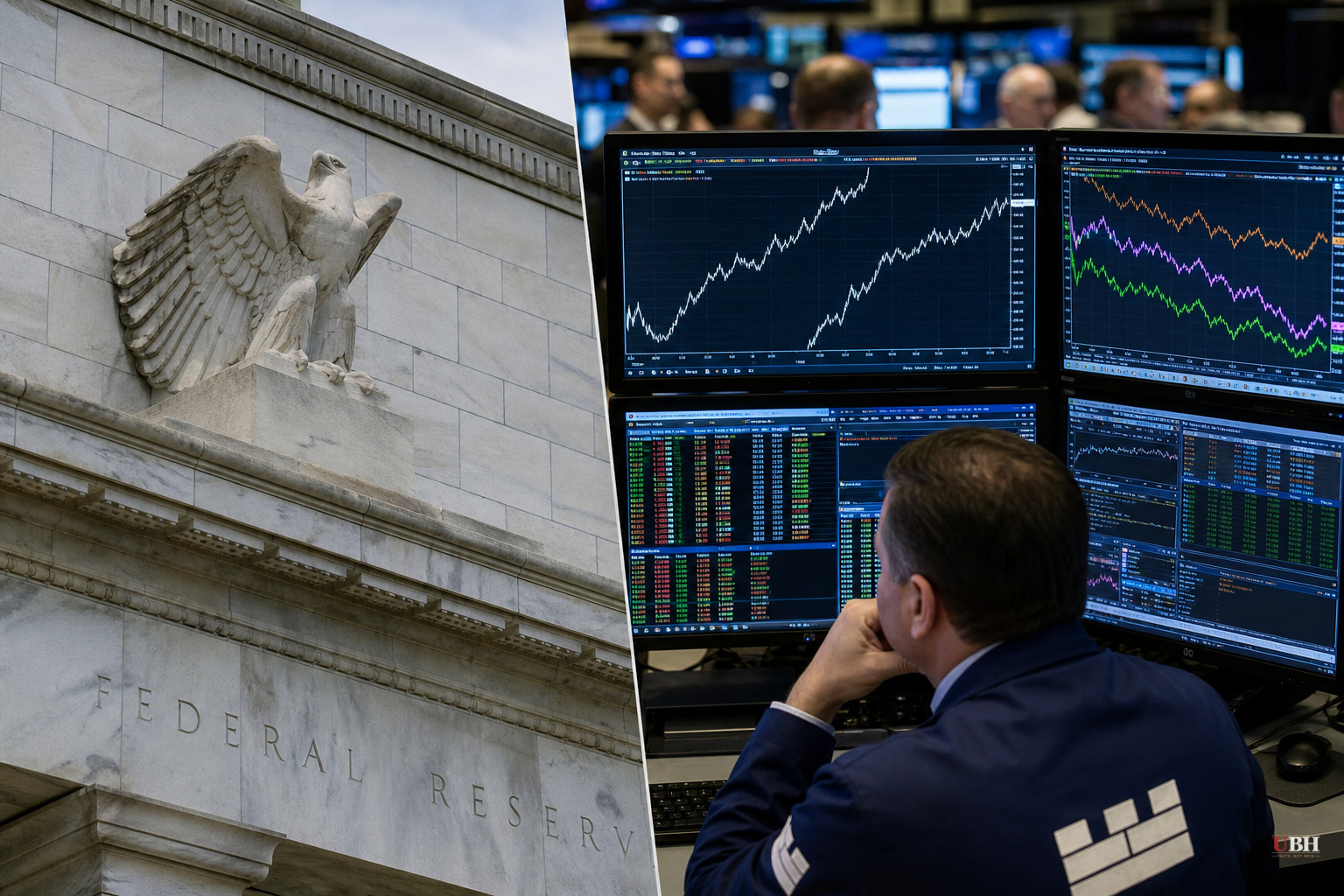
The Federal Reserve left the federal funds rate unchanged at 3.50%-3.75% at this week's FOMC meeting. The significant news is the vote: 9-3, with three sitting Fed officials, Beth Hammack, Neel Kashkari, and Lorie Logan, dissenting because they wanted a 25 basis point hike instead.
Three dissents pushing for tighter policy is a rare split for a modern Fed. The inflation fight inside the building isn't settled, even if Chair Kevin Warsh's public message sounds unified.
Warsh struck what analysts at Yardeni Research called an "unambiguously hawkish" tone at his press conference. He reiterated that the economy remains resilient, that inflation is still above the Fed's 2.0% target, and that restoring price stability is the committee's top priority. The FOMC statement closed with the same line it used last month: "The Committee will deliver price stability."
Bond markets may not be convinced. The 10-year Treasury yield has been climbing for over a year despite the Fed's rate cuts. Yardeni notes the Fed cut the federal funds rate four times at the end of 2024, and the 10-year yield jumped 100 basis points around that same period. The Fed cut three more times late last year. Yields drifted higher again and kept climbing through this year.
That's the bond market openly disagreeing with the Fed's read on the economy. When the Fed cuts short-term rates because it says the labor market needs insurance, but long-term yields rise anyway, investors are betting inflation risk is bigger than the Fed is admitting.
The Bond Vigilante Argument
Yardeni Research frames this as bond vigilantes doing the Fed's job for it. Ahead of this week's meeting, the 2-year Treasury yield was trading roughly 75 basis points above the federal funds rate. In plain terms, the market thinks the Fed cut too much last year and needs to reverse course, not just hold steady.
Yardeni's argument is that the Fed has to actually raise short-term rates to bring long-term rates back down. The logic is that credibility drives long-term rate expectations. If the market doesn't believe the Fed will act on inflation, it prices in more inflation risk over the long haul, pushing 10-year yields higher regardless of what the Fed does with the overnight rate. Talking hawkish while holding steady, in this view, doesn't cut it.
This interpretation comes from a research shop that has been consistently critical of the Fed's 2024 rate cuts as unnecessary. It's a specific, named argument, not a consensus. The Fed's own defenders would counter that three straight cuts last year were framed explicitly as insurance against labor market weakening, not a declaration that inflation was defeated, and that holding rates steady now while inflation and jobs data get evaluated is exactly what patience is supposed to look like. Whether that's prudent caution or a credibility problem depends on which camp you're in, and there is no independent verdict yet, just competing bets.
The Dissent Signal
This isn't the Fed panicking. A 9-3 vote to hold, with the dissents leaning toward more hawkishness rather than less, actually shows a committee more worried about inflation than about growth right now. That's a notable shift from the dovish posture the FOMC held back in April, before pivoting hawkish in June.
It also isn't confirmation that a rate hike is coming. Yardeni predicted the Fed would follow its June pivot with a July hike. That didn't happen. The Fed held instead, twice now, while talking like a committee that wants everyone to think a hike is still on the table.
What Happens Next
The 10-year Treasury yield's direction over the next few weeks will be the real scoreboard here. If yields keep climbing despite Warsh's hawkish rhetoric, that's the market voting no confidence in words alone. If yields stabilize or ease, the Fed's talk-without-action strategy will have bought some room.
Either way, watch the next jobs report and CPI print. Those numbers will determine whether Hammack, Kashkari, and Logan pick up a fourth vote for a hike at the next meeting, or whether the committee's current 9-3 hold becomes the new consensus.
Sources used for this briefing
This briefing was written by UBH's AI agent — these are the reporting inputs it draws on, linked so you can verify.


