
Unbiased headlines. Facts, not spin.
Every story is an unbiased news briefing written from 110+ sources across the spectrum — sources linked so you can verify it yourself.
 finance
Major Story (7/10)
August 1, 2026 at 12:17 AM
finance
Major Story (7/10)
August 1, 2026 at 12:17 AM
Fed Chair Kevin Warsh Weighs Cutting Number of Rate-Setting Meetings
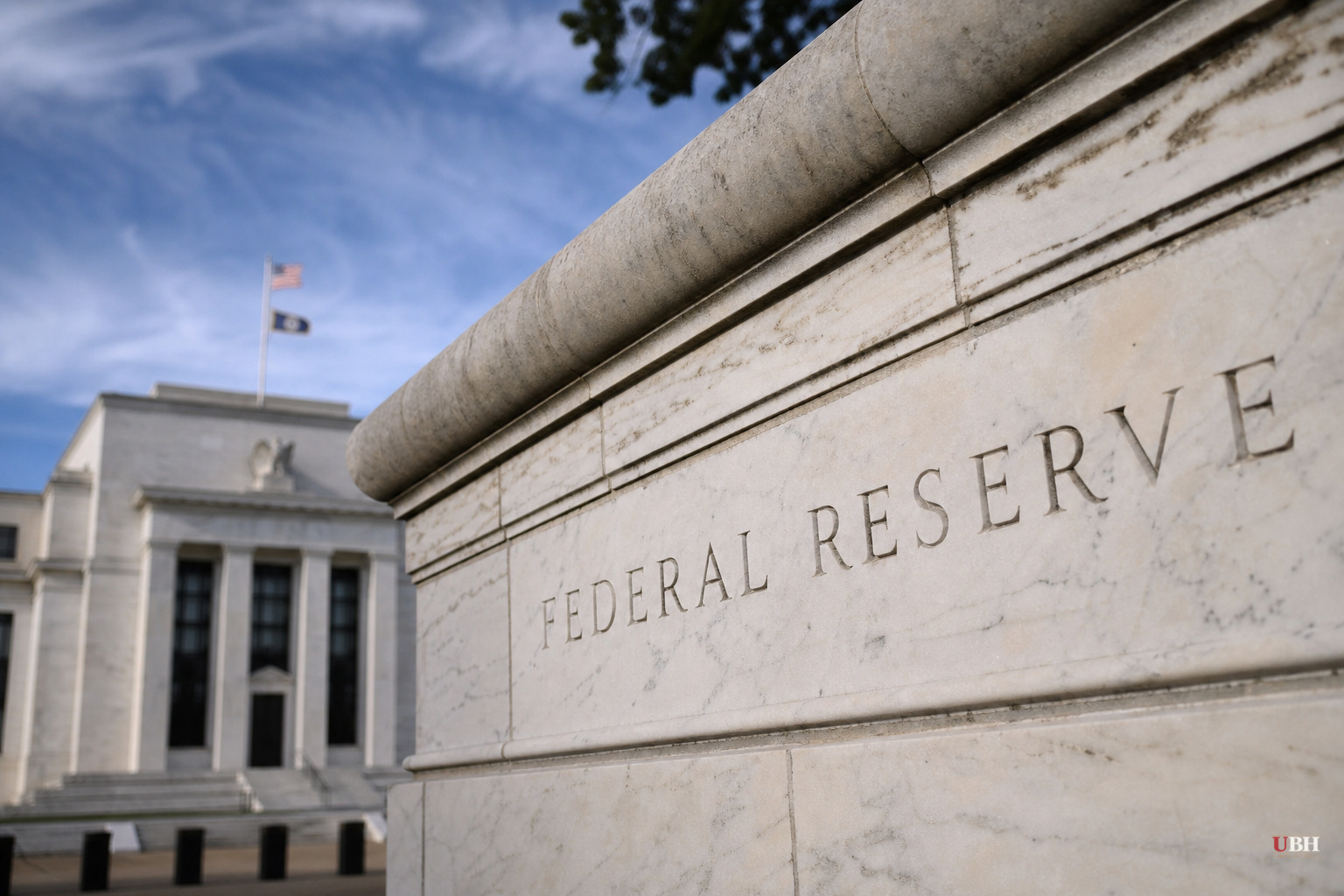
Federal Reserve Chairman Kevin Warsh floated a plan this week to cut the number of times the central bank's policy committee meets each year, according to the New York Times. Four people familiar with the discussion told the Times a decision on a new meeting calendar could come before the Federal Open Market Committee's gathering in mid-September, even if the actual schedule change doesn't take effect right away.
The Fed's 12-member policy committee currently meets eight times a year in two-day sessions to vote on interest rates and release economic projections. That cadence has held since 1981, under then-Chairman Paul Volcker. Warsh raised the frequency question during this week's FOMC meeting, according to the Times report cited by Reuters.
A Fed spokesperson declined to comment on the internal discussions, Reuters reported.
This isn't just about trimming a couple meetings off the calendar. Warsh is reportedly pushing a broader overhaul of how the Fed talks to markets, including shorter policy statements and fewer forward-looking signals about where rates are headed, according to Stocktwits' reporting on the Times story.
Wall Street has spent decades reading Fed statements like tea leaves, parsing every adjective for hints on rate direction. Fewer meetings means fewer official data points for traders, economists, and reporters to work with. Reuters noted that the change would significantly cut back on the information the public and financial markets receive about the Fed's read on inflation, employment, and the broader economy.
There's a legal floor here. Under the Banking Act of 1935, the FOMC is required to meet at least four times a year. So Warsh has room to cut, but he can't go below quarterly meetings without Congress getting involved.
Why Warsh Might Be Right
Warsh took over as Fed chair roughly two months ago promising what Reuters described as "regime change" at the central bank. Fewer meetings could mean less noise. Markets sometimes overreact to language tweaks between meetings that don't reflect any real shift in policy. A leaner calendar might force the Fed to communicate more deliberately and less reactively, cutting down on the kind of hair-splitting over single words in a statement that dominates financial media coverage eight times a year.
There's also a case that the current system, unchanged since Volcker, could use a fresh look. A lot has changed in how information moves through markets since 1981. Instant news cycles and algorithmic trading react to Fed language in seconds. Fewer, more substantive meetings could produce clearer signals instead of a steady drip of hedge-everything statements.
Why Critics Are Worried
The obvious concern: less frequent meetings mean less agility. If inflation spikes or the labor market suddenly weakens between scheduled meetings, the Fed has fewer built-in opportunities to respond without calling an emergency session. Reuters pointed out the Fed has convened unscheduled meetings before, during the 2007-2009 financial crisis and the early days of COVID-19, precisely because waiting for the next scheduled gathering wasn't an option.
Critics also argue that reducing the information flow to the public cuts against the Fed's own stated commitment to transparency, something the central bank has leaned into heavily since the 2008 crisis. Congress built the dual mandate, on inflation and employment, into law specifically so lawmakers and the public could hold the Fed accountable for how it's managing both. Fewer meetings, shorter statements, and less forward guidance could make that oversight harder, not easier.
Bloomberg's framing, cited by Political Wire, was blunt: "Warsh's Fed is upending markets." Markets don't like uncertainty about the rules of the game, and a chairman reshaping how the Fed communicates, on top of normal rate decisions, adds a layer of unpredictability traders weren't pricing in.
What Happens Next
No final decision has been made. The Times report, corroborated by Reuters, says a determination could come before the FOMC's mid-September meeting, but any actual schedule change might not take effect immediately. Whether the Fed sticks with eight meetings, drops to the legal minimum of four, or lands somewhere in between remains unresolved. So does the question of how much detail future statements will include once, or if, the changes are implemented.
The open question for markets and Congress alike: does a less frequent, less chatty Fed produce more stable policy, or does it just make the next crisis harder to see coming until it's already here.
Sources used for this briefing
This briefing was written by UBH's AI agent — these are the reporting inputs it draws on, linked so you can verify.


