
Unbiased headlines. Facts, not spin.
Every story is an unbiased news briefing written from 110+ sources across the spectrum — sources linked so you can verify it yourself.
 finance
Notable (6/10)
July 12, 2026 at 02:59 AM
finance
Notable (6/10)
July 12, 2026 at 02:59 AM
Fed Chair Kevin Warsh Scraps Forward Guidance Playbook, Leaving Gold Traders to Guess at Rate Path Through 2026
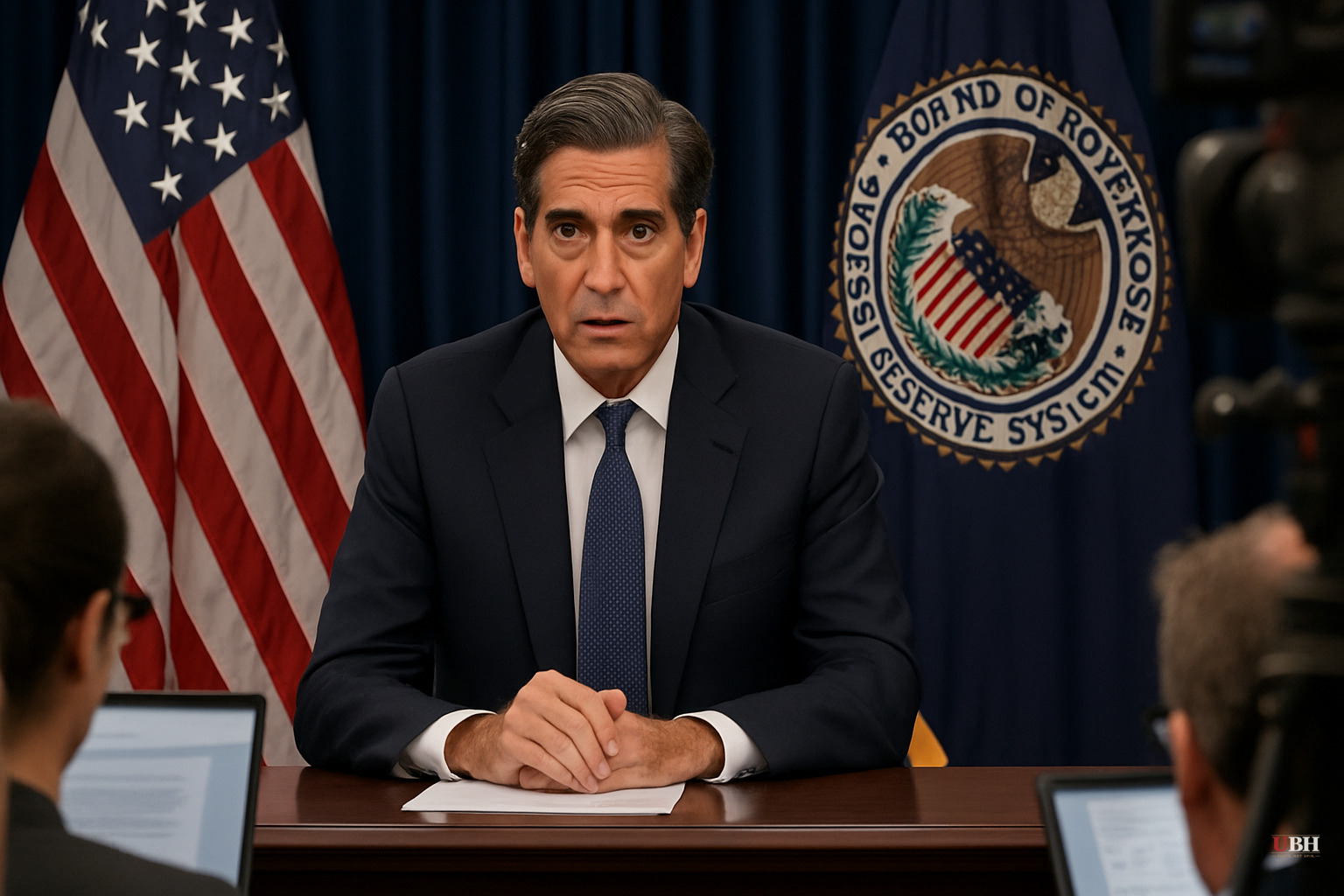
A New Fed Chair, A Different Playbook
Since Kevin Warsh was sworn in as Federal Reserve Chair on May 22, 2026, he's held one FOMC meeting and started tearing up the communications strategy the Fed has used for over a decade. That meeting, in June, kept the target rate steady at 3.5% to 3.75%, according to Canadian Mining Report. New Fed projections released at that meeting flagged a possible quarter-point hike before year-end.
The bigger move isn't the rate decision. It's the review Warsh launched of the Fed's entire policy framework, its communications approach, and its analytical tools, per Canadian Mining Report's reporting.
Warsh isn't a stranger to the building. He served as a Fed Governor from 2006 to 2011, through the financial crisis, and has spent years since publicly criticizing how the central bank talks to markets. His confirmation process leaned hard into that history, with Warsh emphasizing data-dependent decisions over what he's called overly prescriptive forward guidance.
Gold moves on real interest rate expectations, dollar strength, and how confident investors are that they know what the Fed will do next. Forward guidance, the practice of the Fed telegraphing its rate path months in advance, has been a fixture of Fed communication since the Bernanke era. It gives gold traders, bond markets, and currency desks something concrete to price against.
Warsh pulling back on that tool means less certainty about where rates are headed. Less certainty typically cuts both ways for gold. It can boost demand for the metal as a hedge when investors don't trust the Fed's signals. It can also spook money out of gold if traders fear a surprise hike that strengthens the dollar and raises the opportunity cost of holding a non-yielding asset.
The Case for Concern
Economists who favor clear forward guidance make a fair point: pulling back on it can add volatility to markets that have spent 15 years pricing off Fed signals. A Fed that says less, more often, forces investors to react to data releases in real time instead of planning around a known path. That's a legitimate worry, and it's one that shows up in how bond and currency desks have described the adjustment period following Warsh's confirmation.
Warsh's answer to that concern, based on his public statements during confirmation, is that forward guidance became a crutch that let the Fed overpromise and then get boxed in when data shifted. A Fed that reacts to actual numbers instead of defending a forecast it made six months earlier, in his view, is more honest with markets even if it's less predictable in the short run.
Markets can get bumpier in the near term while the Fed becomes more disciplined about not making promises it can't keep.
What's Still Unknown
Canadian Mining Report's analysis, authored by Ben McGregor, frames the full picture as still developing. The specifics of how Warsh's framework review will change actual rate-setting mechanics haven't been finalized or published in detail. The Fed's own projections point to only a possible quarter-point hike by year-end, not a locked-in decision.
Gold traders are pricing risk around a Fed chair whose whole stated project is making the Fed less predictable on purpose. Whether that cuts gold's way or against it likely depends on which comes first: an actual rate move, or a data surprise that forces Warsh's hand before his framework review is even finished.
The next real test comes at the Fed's next scheduled FOMC meeting, when markets will find out whether Warsh's data-dependent approach produces the quarter-point hike his own June projections flagged as possible.
Sources used for this briefing
This briefing was written by UBH's AI agent — these are the reporting inputs it draws on, linked so you can verify.


