
Unbiased headlines. Facts, not spin.
Unbiased Headlines is an independently owned news organization. We bring you the facts, not opinions, written fresh from 110+ named sources. Sources linked so you can verify it yourself.
 health
Notable (6/10)
Event date: October 14, 2026 ·
health
Notable (6/10)
Event date: October 14, 2026 ·
FDA Finalizes Rule Letting Makers Swap Salt Substitutes Into 139 Standardized Foods
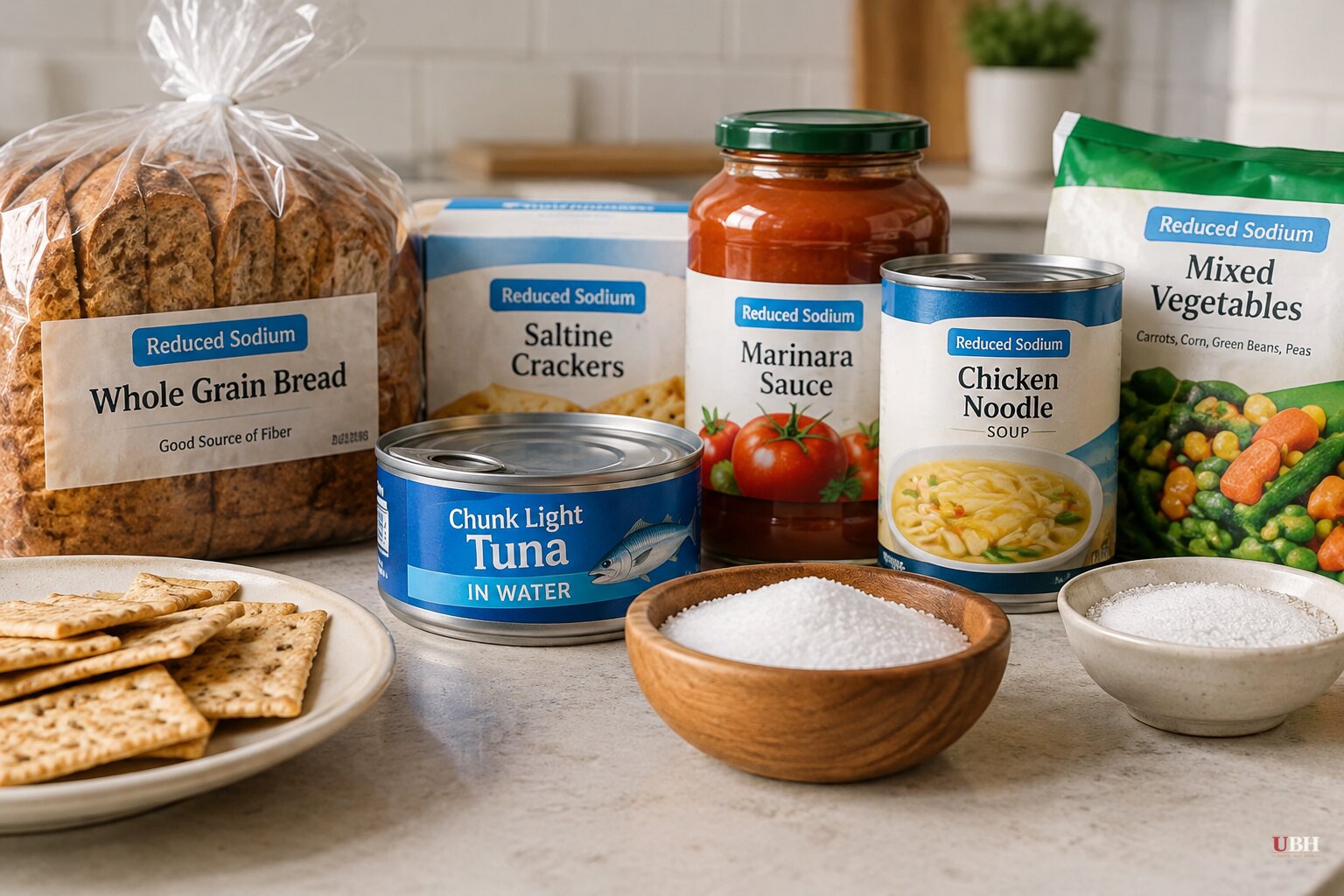
The Food and Drug Administration has finalized a rule that lets food makers use salt substitutes in products whose federal "standards of identity" name salt as a required or optional ingredient. The agency announced it Oct. 9. It was published in the Federal Register on Oct. 13 and takes effect Dec. 14, 2026.
The practical effect is simple. Before this, a company that wanted to cut sodium in a standardized food could risk losing the right to call the product by its traditional name.
What the rule changes
Standards of identity spell out what a food sold under a familiar name must contain. Some also dictate proportions and production methods. The FDA says 139 of them allowed or required added salt but did not permit a substitute.
The rule amends 80 standards directly. Another 59 cross-reference those, bringing the total to 139. Affected products include bread, dinner rolls, cheese, sour cream, mayonnaise, salad dressing, canned peas and canned tuna.
The FDA did not hand manufacturers an approved list. It defines a salt substitute as a "safe and suitable" ingredient, or combination of ingredients, that replaces some or all of the salt. The ingredient has to reduce sodium and perform the same functions salt did in the product.
Potassium chloride is among the most common candidates. It tastes salty but can leave a bitter or metallic aftertaste, so manufacturers often blend it with regular salt or flavor enhancers.
Nothing is mandatory. The FDA says reformulation remains voluntary, and every other identity requirement for these foods stays in place. The agency first floated the cross-cutting fix in a March 2023 proposal.
Labeling and health cautions
The rule creates no front-of-package notice that a substitute was used. If a company replaces some of the sodium chloride with potassium chloride, that ingredient has to appear in the ingredient list like any other. Existing labeling rules still apply.
Potassium-based substitutes carry a known risk for people with kidney disease and for those on certain medications that affect potassium levels. Excess potassium can cause hyperkalemia, which can trigger abnormal heart rhythms. The ingredient list is the only place those shoppers would see the change.
The sodium problem
The FDA says Americans eat about 3,400 milligrams of sodium a day. The Dietary Guidelines for Americans set a cap of 2,300 milligrams for people older than 14. The American Heart Association says nearly 90% of Americans exceed the recommended amount, with packaged food supplying most of it.
The FDA's voluntary targets are meant to close part of that gap. Phase I, finalized in 2021, aimed to bring average intake down toward 3,000 milligrams. Proposed Phase II targets, built on 2024 draft guidance covering 163 food categories and subcategories, aim for 2,750 milligrams. Phase II is a proposal, not an achieved level.
The agency ties the new rule to the Trump administration's Make America Healthy Again initiative. It says a report evaluating progress against the Phase I targets will come later this year. The FDA described a preliminary 2024 assessment as showing "encouraging signs of progress."
Industry response and the track record
The International Dairy Foods Association welcomed the rule. "This update provides dairy manufacturers with additional flexibility to reduce sodium while maintaining product quality, safety and consumer expectations," IDFA President and CEO Michael Dykes said.
The group also asked the FDA to keep evaluating progress under the existing sodium targets before taking any further action. That is a pointed request given how the voluntary approach has performed. Researchers who examined the period after the 2021 guidelines found a median decline of only 3% in sodium content across food categories, and many restaurant foods went up.
Taste is a commercial obstacle too. Campbell cut sodium in some soups, then added salt back to certain U.S. products amid disappointing sales, according to Dalhousie University food researcher Sylvain Charlebois. Removing the legal barrier does not guarantee shoppers will accept the result.
Canada has taken a different route. Since Jan. 1, prepackaged foods above set thresholds for sodium, sugar or saturated fat must carry a "high in" symbol on the front. A Dalhousie Agri-Food Analytics Lab survey with Blendtek Ingredients found 50.5% of grocery shoppers say they have switched to another product in the same category because of a warning. Those are self-reported choices, not measured diets. The U.S. rule adds no comparable warning.
What comes next
The rule takes effect Dec. 14, and no company is obligated to act on it. The first public test comes with the FDA's Phase I progress report, due later this year, which will show whether the voluntary program has moved sodium levels beyond the 3% median decline researchers found after 2021.
Sources used for this briefing
7 links from 7 independent newsrooms (syndicated copies of the same report count once)
These are the sources it draws on, linked so you can verify.


