
Unbiased headlines. Facts, not spin.
Every story is an unbiased news briefing written from 110+ sources across the spectrum — sources linked so you can verify it yourself.
 health
Major Story (7/10)
July 24, 2026 at 10:44 PM
health
Major Story (7/10)
July 24, 2026 at 10:44 PM
FDA Advisory Panel Votes to Let Compounding Pharmacies Make BPC-157 Despite Thin Safety Data
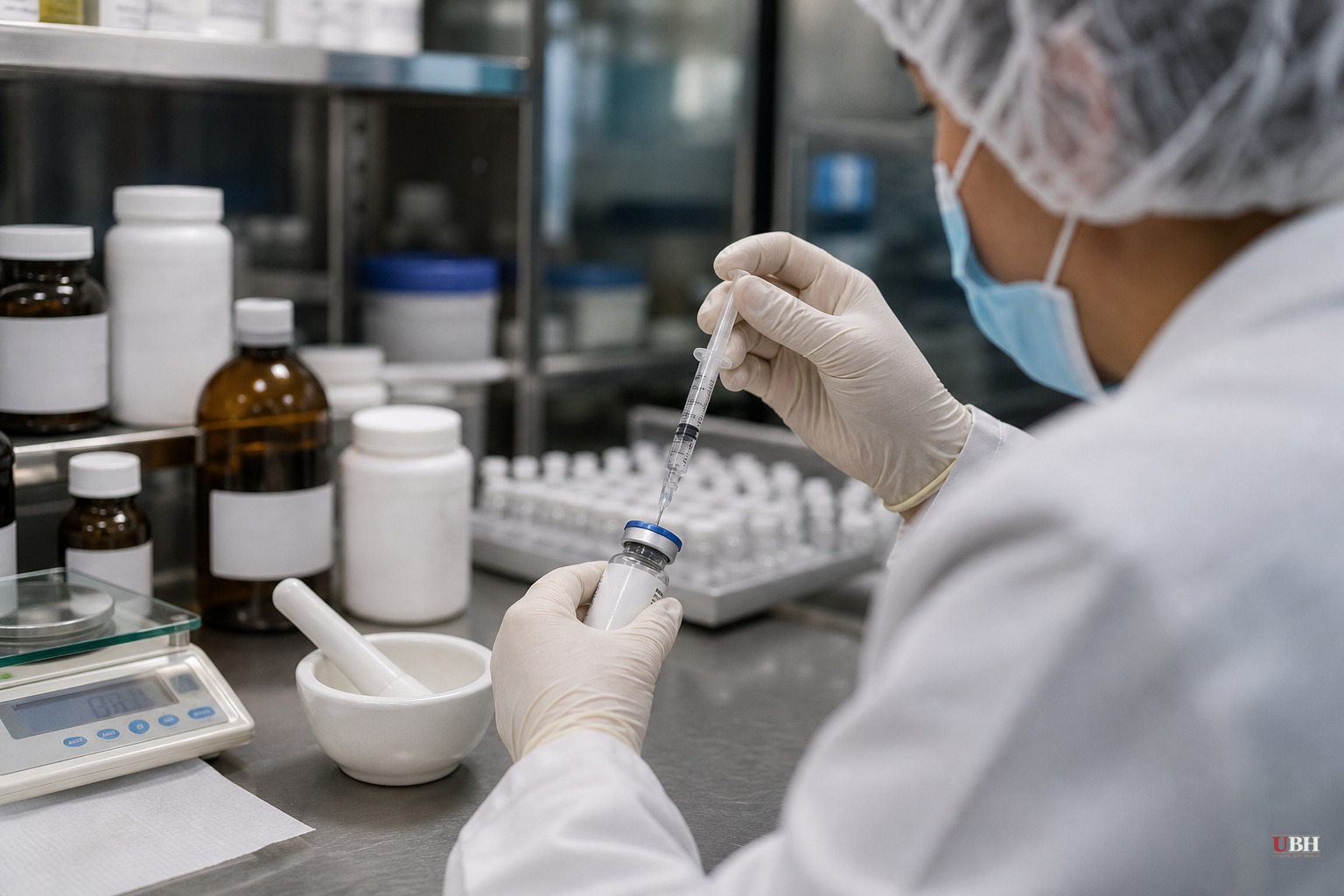
An FDA advisory committee voted 8-6 on Wednesday, July 22, to recommend that compounding pharmacies be allowed to produce BPC-157, a peptide drug with a devoted online following and almost no human safety data behind it.
The vote came during a two-day meeting of the Pharmacy Compounding Advisory Committee, which convened to weigh access to seven popular peptides, according to PBS NewsHour. BPC-157 was the headline case.
BPC-157 has been marketed online as a cure for nearly everything: sore shoulders, bad knees, ulcerative colitis, even traumatic brain injuries and multiple sclerosis, according to The Atlantic. It's part of a broader class of drugs called peptides, which the body naturally produces to regulate systems and send cellular signals, Dr. Dhruv Khullar of Weill Cornell Medicine explained on PBS NewsHour. Peptides generally have fewer than 50 amino acids; some, like insulin and GLP-1 drugs such as Ozempic, are FDA-approved and mainstream. BPC-157 is not.
Three years ago the FDA blocked compounding pharmacies from making BPC-157 and similar peptides, citing insufficient evidence they were safe or effective, according to PBS. That ban is now on the verge of being undone.
The FDA's own experts weren't convinced
FDA researchers told the committee the scientific case for BPC-157 is weak. They said there isn't enough data to confirm the drug is safe, that it actually works, or even what its precise amino acid sequence is, according to The Atlantic. One FDA official put it bluntly: "We don't actually know with any certainty what it is."
A compounded drug that regulators can't even chemically define is not a small technical footnote. It's the kind of gap that in any other context would normally sink a product before it reached patients. If the FDA itself cannot say for certain what's in the vial, that raises legitimate questions about skepticism, regardless of how many people online swear by it.
The committee voted anyway. Among the yes votes was Dr. Kris Wusterhausen, a recently added committee member who founded a Texas wellness clinic that recommends peptides, including BPC-157. "Once you've seen the effects of BPC, you can't unsee it," Wusterhausen said after the vote, according to The Atlantic.
The committee had added eight new members last month, many with ties to telehealth companies and wellness clinics, The Atlantic reported. A spokesperson for the Department of Health and Human Services, Emily Hilliard, told The Atlantic that "all committee members underwent the same ethics review and vetting process required of all FDA advisory committee members."
Health and Human Services Secretary Robert F. Kennedy Jr. has been an open cheerleader for peptides. Speaking with podcaster Joe Rogan in February, Kennedy said, "I'm a big fan of peptides. I have used them myself and used them with really good effect on a couple of injuries," and added that he hopes peptides "are going to get moved to a place where people have access from ethical suppliers," according to PBS NewsHour.
That's the crux of the issue. Right now, thousands of Americans are already taking BPC-157, sourced almost entirely from unregulated online vendors, many supplied by manufacturers in China, according to The Atlantic. Nobody is verifying purity, dosage, or contamination on that gray market. If the goal is genuinely to get people off sketchy Chinese suppliers and onto product made by licensed U.S. compounding pharmacies under some form of oversight, that's a reasonable public-health argument, not just an industry favor.
But telehealth companies have said they intend to sell BPC-157 if the FDA follows through, The Atlantic reported. Hims & Hers, a major telehealth player, already owns its own compounding pharmacy. The compounding industry is essentially the backbone of the telehealth business model. A rule change here isn't just a win for patients chasing shoulder pain relief. It's a direct commercial win for companies that stand to sell a product the FDA's own scientists say they can't fully characterize.
What happens next
The committee's vote is only a recommendation. The FDA has to actually issue a rule change before compounding pharmacies can legally make BPC-157, according to The Atlantic. Given Kennedy's public advocacy and his direct authority over HHS, that approval looks likely, though no timeline has been set and no final agency decision has been announced.
The question is whether the FDA will require any additional safety data before finalizing the rule, or whether Kennedy's enthusiasm translates into approval without the human trials that would normally settle whether BPC-157 works at all. Neither PBS NewsHour nor The Atlantic reported any announced FDA timeline or additional study requirement as of this week.
Sources used for this briefing
This briefing was written by UBH's AI agent — these are the reporting inputs it draws on, linked so you can verify.


