
Unbiased headlines. Facts, not spin.
Every story is an unbiased news briefing written from 110+ sources across the spectrum — sources linked so you can verify it yourself.
 health
Notable (6/10)
June 19, 2026 at 01:20 AM
health
Notable (6/10)
June 19, 2026 at 01:20 AM
FDA Advisory Panel Unanimously Backs Moderna mRNA Flu Vaccine as Lackland Outbreak Reaches 159 Sick Recruits
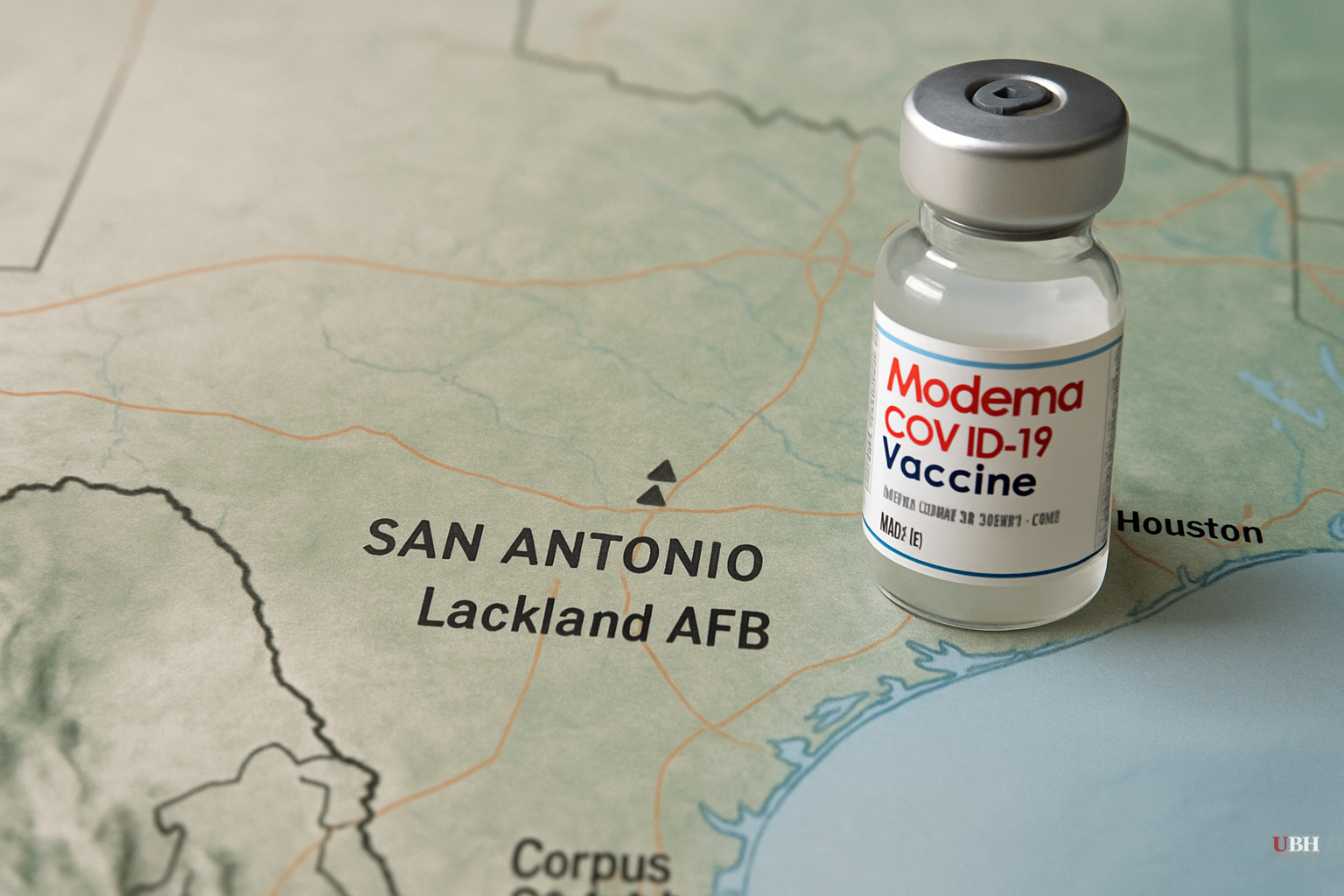
On Thursday, the FDA's Vaccines and Related Biological Products Advisory Committee (VRBPAC) voted 9 to 0 to recommend Moderna's mRNA influenza vaccine, branded mFlusiva, for adults 50 and older, according to NPR. Every member voted yes. That unanimous margin is notable: the committee had not reviewed a new vaccine application since 2023.
The vote does NOT constitute FDA approval. It is a recommendation. The full FDA must still act on it. But advisory committee votes at this margin typically carry significant weight with agency reviewers.
mFlusiva uses the same messenger-RNA platform that produced the COVID-19 vaccines. According to Moderna's brief cited in NPR's reporting, the vaccine does not enter the cell nucleus and does not interact with the human genome. The FDA and Moderna found no credible safety signals in Thursday's review.
Public health officials have been watching this application closely because mRNA flu vaccines can be produced faster than egg-based or traditional cell-culture shots. This matters when a new flu strain emerges suddenly. Dr. Paul Offit, director of the Vaccine Education Center at Children's Hospital of Philadelphia and a former VRBPAC member, told NPR: "It's such a breath of fresh air, considering what we've gone through with Robert F. Kennedy Jr."
HHS Secretary RFK Jr. pulled back nearly $500 million in mRNA vaccine development contracts last year, according to NPR. The FDA had also initially declined to review Moderna's application in February before reversing that decision two weeks later following public criticism. The unanimous vote Thursday came despite that turbulent backdrop.
What the Strongest Counterargument Looks Like
Critics of the mRNA platform—and there are credible ones beyond the political fringe—argue that the long-term immune-response profile of mRNA flu vaccines is less established than decades of data on traditional flu shots. The COVID mRNA rollout produced rare but documented cardiac inflammation cases in younger males, and some researchers argue regulators moved faster than the evidence base warranted. The Lackland recruits involved in the outbreak are young adults, not the 50-and-over population mFlusiva was just recommended for. The two stories are connected politically but are NOT the same medical question.
Hegseth's stated rationale for ending the flu mandate involves bodily autonomy and discarding "overreaching mandates that only weaken our warfighting capability." Mandatory vaccination debates in the military involve real tradeoffs between individual conscience and unit readiness.
Back to Lackland: What's Actually New
Chief Pentagon spokesman Sean Parnell confirmed in a statement that the Under Secretary of Defense for Personnel and Readiness has already granted exceptions to Hegseth's opt-in policy for the Army, Navy, Air Force, NSA, and Defense Health Agency. This means those branches can reinstate flu vaccine requirements if their own risk assessments support it.
The Air Force has in fact exercised that authority at Lackland. According to the New York Times as cited by The Guardian, Air Force officials ordered recruits at Lackland to be vaccinated against the flu as a containment measure after the outbreak grew. So the practical result of Hegseth's memo, at least at Lackland, is that a mandate was re-established after the fact once 159 people got sick rather than before.
Recruits at basic military training live in dense communal settings: shared dormitories, shared dining facilities. The CDC reported that approximately 46% of American adults got flu vaccinations in the 2025-26 season, according to The Guardian. The 40% opt-in rate at Lackland was actually below that national civilian average, in a population living in conditions far more conducive to transmission.
The death of trainee Keon McDaniel—who died June 16 at Brooke Army Medical Center after a medical emergency that began June 12, during his sixth week of basic training—remains under investigation, according to the Air Force's own press release. The cause has NOT been confirmed. The Air Force has not established a connection to the flu outbreak, and no named source in any of the reporting has made that causal claim.
The Unresolved Question
The Pentagon's exception-to-policy framework now places the readiness calculation squarely on individual branch commanders. The Air Force used it reactively at Lackland. Whether Army, Navy, and other branch commanders will use it proactively or wait for their own outbreaks remains to be seen.
Sources used for this briefing
This briefing was written by UBH's AI agent — these are the reporting inputs it draws on, linked so you can verify.


