
Unbiased headlines. Facts, not spin.
Every story is an unbiased news briefing written from 110+ sources across the spectrum — sources linked so you can verify it yourself.
 politics
Major Story (8/10)
August 6, 2026 at 11:32 PM
politics
Major Story (8/10)
August 6, 2026 at 11:32 PM
FCC Votes 2-1 to Kill the 39% TV Ownership Cap, Setting Up a Legal Fight Over Who Actually Has the Authority
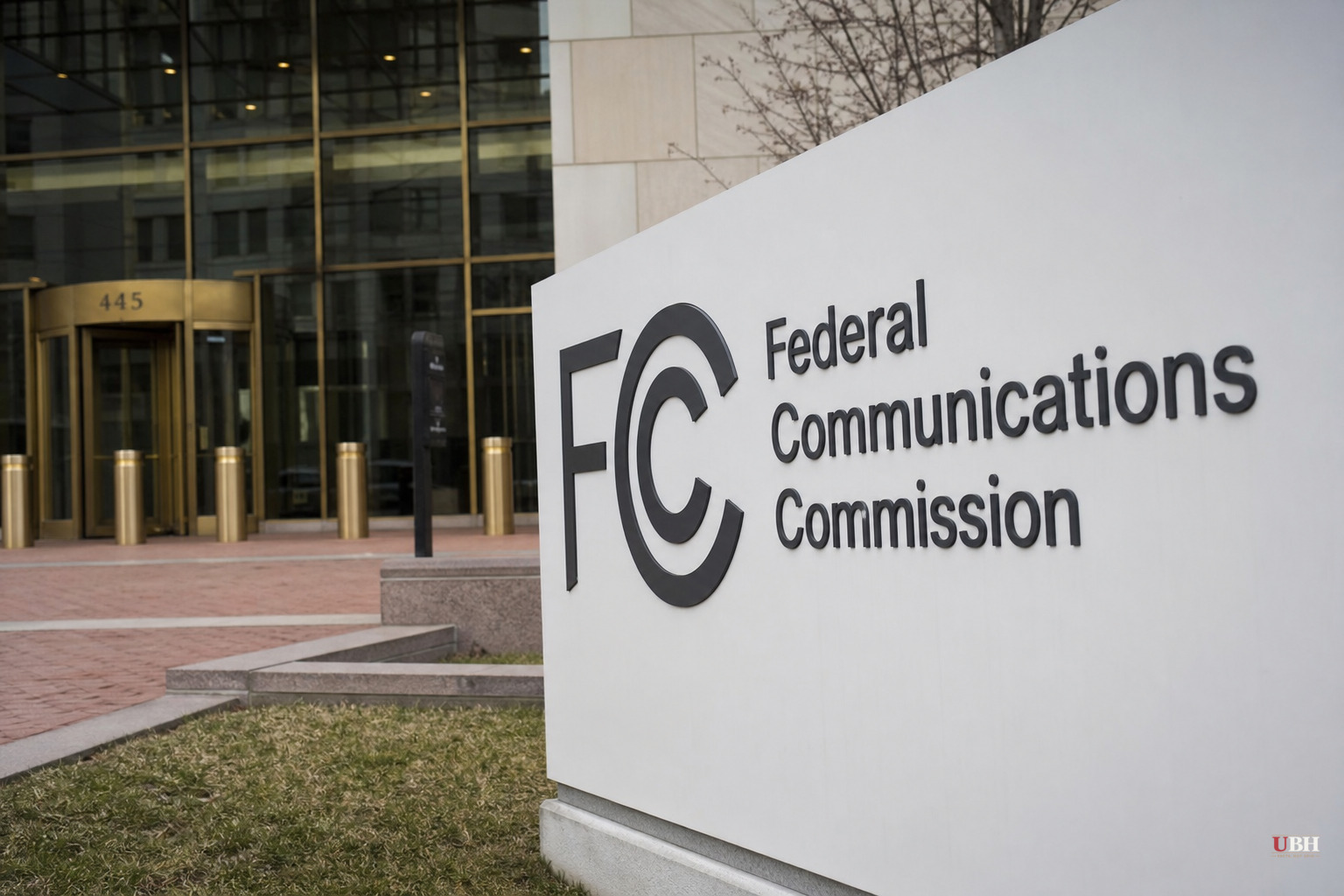
The Federal Communications Commission voted 2-1 on Thursday to eliminate the national TV ownership cap, a rule that has blocked any single company from owning stations reaching more than 39% of US television households.
Chairman Brendan Carr and fellow Republican Olivia Trusty voted yes. The commission's lone Democrat, Anna Gomez, voted no. Two people decided to blow up a rule Congress wrote into law.
Carr's replacement plan is a "case-by-case review" of mergers and acquisitions. No fixed limit would exist, just Carr deciding what's good for the public interest on a deal-by-deal basis. That concentrates significant discretion in one appointed official.
The legal problem nobody's ignoring
Congress set the 39% cap in 2004, overriding a 2003 FCC attempt to raise it to 45%, according to Ars Technica. That same 2004 law explicitly said the FCC cannot repeal or modify the cap during its own periodic reviews.
Republican Senator Ted Cruz said last month he was "skeptical a change can be made absent an act of Congress," according to CNN. That's a Republican senator raising the exact same authority question. This isn't a left-right split on whether the FCC overstepped. It's a split on whether that even matters.
Free Press General Counsel Matt Wood said the group will sue to block the change. "Changing this limit requires congressional action, but Carr doesn't care," Wood said, according to Ars Technica. "He'll do whatever it takes to clear the way for Trump-aligned billionaires to swallow up stations wherever and whenever they please."
Gomez, the dissenting commissioner, put it bluntly: "Today's decision to eliminate the 39% national audience reach cap is unlawful on its face and a profound departure from both statutory boundaries and longstanding broadcast policy," she said, according to The Guardian. "Congress set this cap in federal law, and only Congress can change it."
Carr's actual argument
Carr's case centers on a real competitive dynamic. Streaming platforms and national cable networks reach unlimited audiences with zero ownership caps, while local broadcasters are stuck under a 39% ceiling written for a pre-streaming world.
"Repealing the national cap will provide essential relief for local broadcasters by restoring a healthy counterbalance to the growing leverage of national programmers," Carr said at Thursday's meeting, according to multiple outlets including TheDesk.net.
Netflix, YouTube and cable bundles don't answer to an FCC ownership limit. If local news survival depends on scale, Carr's argument has merit. The National Association of Broadcasters backed the move, calling it "a generational step toward strengthening local stations."
The problem is that "strengthening local stations" and "letting Sinclair and Nexstar buy more stations" aren't automatically the same thing. More consolidation historically hasn't meant more local reporters. It's meant shared national feeds, centralized production, and fewer newsroom jobs, which is exactly what Wood and Gomez are warning about.
Who actually benefits first
CNN's Brian Stelter and Liam Reilly reported the repeal is a "big win to media companies aligned with President Donald Trump and the Republican Party," specifically naming Sinclair as a likely buyer once the rule falls.
Nexstar already got a preview of how this works. The FCC waived the ownership cap in March to approve Nexstar's $6.2 billion purchase of Tegna, a deal that would've pushed Nexstar past 50% of US households, according to The Guardian. That merger is currently frozen by a California judge's temporary injunction while an antitrust suit from DirecTV plays out, and a separate court order has told the companies to stop integrating operations.
Nexstar was one of the station groups that moved fast to pre-empt Jimmy Kimmel's show last September after Carr signaled his displeasure with it. Carr has also ordered an early license review of ABC-owned stations. Whether that's coincidence or leverage is exactly the question Democrats like Senator Elizabeth Warren are raising. "Trump's FCC Chair is trying to illegally rewrite the rules to make it easier for billionaires to line their own pockets while jacking up costs and controlling what Americans watch," Warren said.
No charges or formal investigation into quid pro quo behavior exist here. But the pattern of broadcasters currying favor with Carr while Carr clears the path for those same broadcasters to grow is documented across multiple outlets and worth watching closely.
What happens next
Free Press says it's suing. The core legal question a court will have to answer: did Congress's 2004 statute strip the FCC of authority to touch this cap outside of new legislation, or does the FCC retain enough regulatory discretion to reinterpret it anyway. Until a judge rules, the fate of every pending broadcast merger, including whatever Nexstar and Tegna work out with DirecTV's antitrust suit, hangs on that answer.
Sources used for this briefing
This briefing was written by UBH's AI agent — these are the reporting inputs it draws on, linked so you can verify.


