
Unbiased headlines. Facts, not spin.
Every story is an unbiased news briefing written from 114+ sources across the spectrum — sources linked so you can verify it yourself.
 politics
Major Story (8/10)
Event date: August 14, 2026
politics
Major Story (8/10)
Event date: August 14, 2026
Families Sue Maduro in New York Court While His Own Government Moves On Without Him
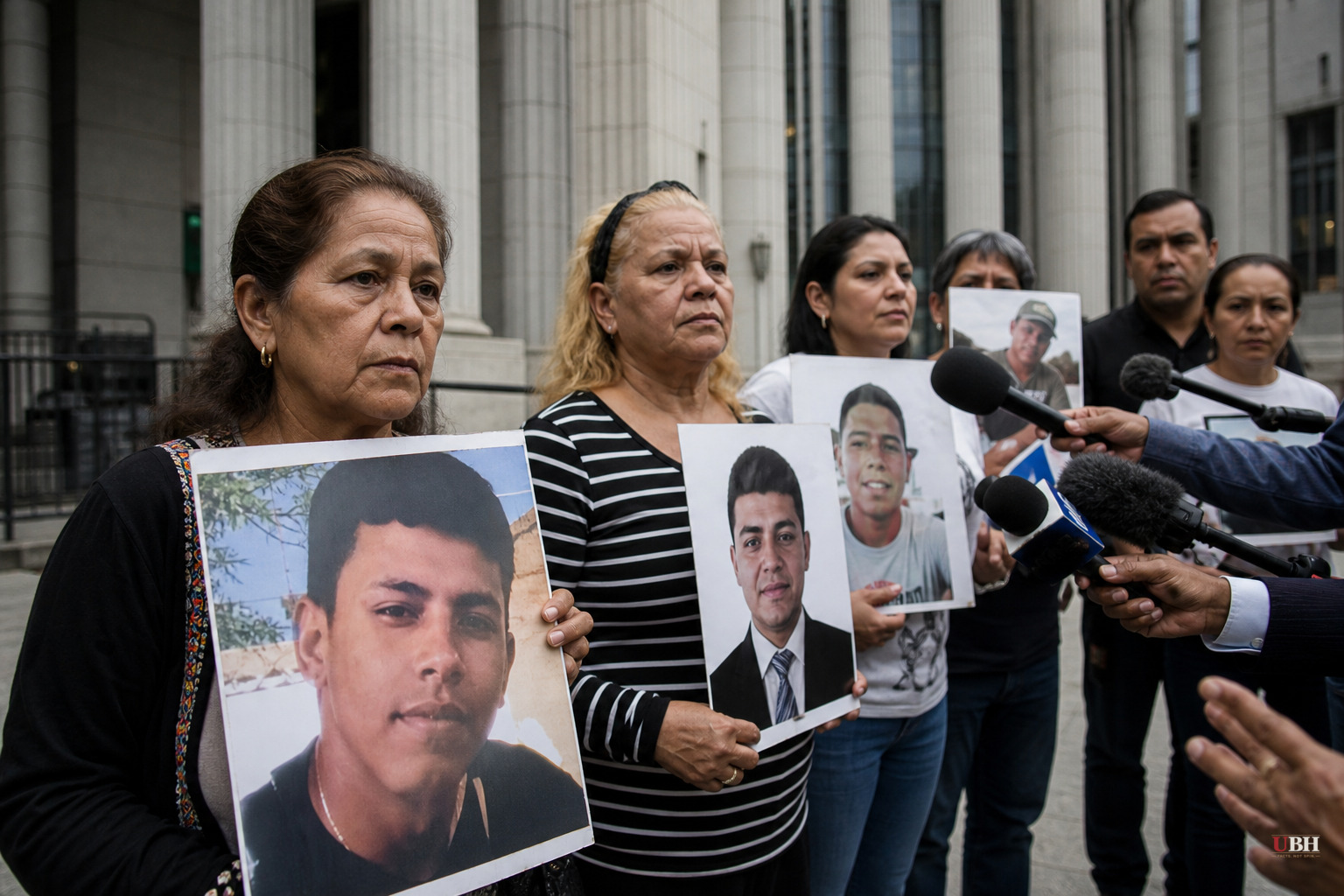
Relatives of five Venezuelan men killed during police raids filed a civil lawsuit against Nicolás Maduro this week in the U.S. District Court for the Eastern District of New York, according to Breitbart and Fox News. The suit accuses Maduro of overseeing the Special Action Forces, known as FAES, a police unit created in 2017 that international organizations including the United Nations have described as a death squad.
The lawsuit covers five incidents between 2017 and 2021. It alleges FAES officers tortured three of the victims' relatives, beat them, detained them, or forced them to watch killings before Venezuela's court system denied any path to justice. The complaint, cited by Euronews, states Maduro "used FAES as a political instrument and mechanism of social control to violently suppress dissent, terrorize low-income neighborhoods and eliminate political opposition." The identities of the plaintiffs are being withheld for their safety. They are seeking financial damages.
Maduro remains held at the Metropolitan Detention Center in Brooklyn, indicted on narco-terrorism conspiracy, cocaine importation conspiracy, and weapons charges tied to machine guns and destructive devices, according to SBS. He has pleaded not guilty. The narco-terrorism count alone carries a possible life sentence. U.S. District Judge Alvin Hellerstein is overseeing the criminal trial, which also names Maduro's wife, Cilia Flores.
Maduro was captured in a U.S. military operation in Caracas on January 3, 2026, authorized by President Donald Trump, while he was still sitting president of Venezuela. That distinguishes his case from Honduras's Juan Orlando Hernández, who was arrested after leaving office and extradited through normal legal channels before being pardoned by Trump two months prior, SBS reported. Both men ended up at the same Brooklyn detention facility. Maduro's lawyers have called the case politically motivated and raised questions about head-of-state immunity and the legality of removing a sitting president through military force. Those are live legal questions the court has not resolved.
While the criminal and civil cases grind forward in New York, Maduro's own government back home appears to have stopped fighting for him. According to the Financial Times, Venezuela's interim government under Delcy Rodríguez made no demand for Maduro's release during nearly two weeks of negotiations with the opposition this month. Opposition figures told the Financial Times that Maduro and Flores "simply do not exist at the negotiating table" and that the government has "erased them from history."
That marks a reversal. In January, Rodríguez, who was Maduro's vice president, called the U.S. operation "vile aggression." Her brother, who leads Venezuela's parliament, said the government "will not rest" until Maduro was freed. Since then, according to the Financial Times, Rodríguez has replaced senior military leaders with her own loyalists, and security chief Diosdado Cabello has moved closer to Washington. In exchange for U.S. backing, Rodríguez has opened Venezuela's oil reserves to foreign investors.
Venezuelan analyst Edward Rodríguez told the Financial Times that Maduro's "fate is already sealed" and that the government will "let the case run its course while they focus on their only priority: survival." The negotiations did produce results elsewhere. The government announced 131 political prisoners released, though the human rights group Foro Penal said it could only verify 78 of those releases. The talks also touched on repatriating roughly $4 billion in Venezuelan gold bullion held by the Bank of England and on financing earthquake reconstruction after quakes hit the country in June.
On the ground, the human cost of the old system is still surfacing. The Epoch Times, reporting from Caracas roughly eight months after Maduro's capture, spoke with Hiowanka Ávila, whose brother Henryberth Rivas remains imprisoned at El Rodeo, a facility she says is used for torture. She described security forces tying her brother to a police vehicle, dragging him, attaching electrodes to his testicles, and hitting his feet with a hammer until his toenails came off. Human rights activist Edward Ocariz, jailed for four months during Venezuela's 2024 elections, told the outlet his legal case remains open with no trial scheduled, which he called a deliberate intimidation tactic rather than genuine prosecution.
Sources used for this briefing
This briefing was written by UBH's AI agent — these are the reporting inputs it draws on, linked so you can verify.


