
Unbiased headlines. Facts, not spin.
Every story is an unbiased news briefing written from 110+ sources across the spectrum — sources linked so you can verify it yourself.
 finance
Major Story (7/10)
July 10, 2026 at 10:14 PM
finance
Major Story (7/10)
July 10, 2026 at 10:14 PM
ExxonMobil CFO Backs SEC Plan to Make Quarterly Reporting Optional, While 99% of Public Comments Oppose It
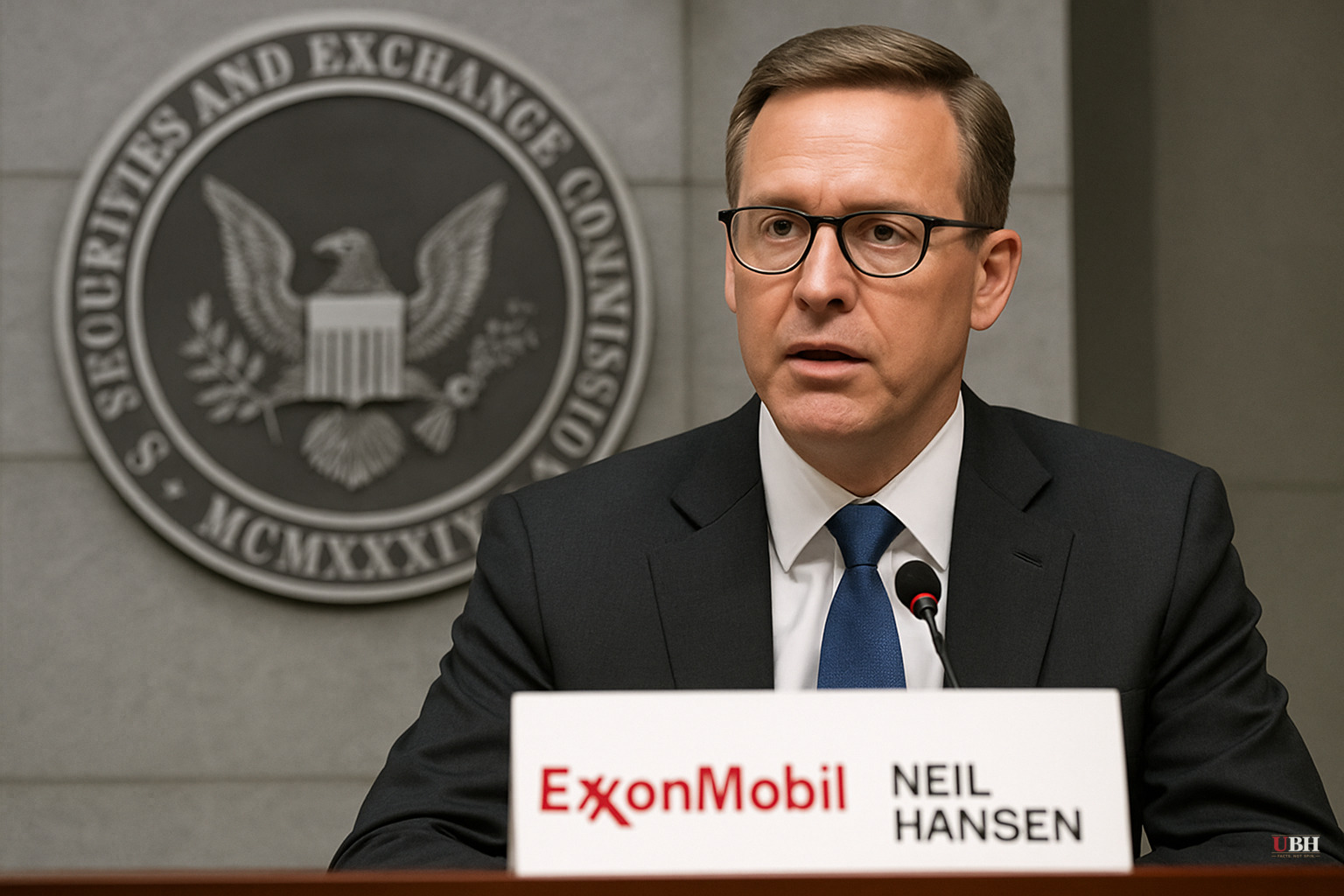
On May 5, 2026, the Securities and Exchange Commission released a proposal to create a new optional filing called Form 10-S. Under the current system, public companies file three quarterly Form 10-Qs per year plus one annual Form 10-K. The proposal would let qualifying companies swap the three 10-Qs for a single semiannual report filed alongside the 10-K.
Quarterly reporting has been mandatory since 1970. If adopted, this would be the most significant structural change to public company disclosure rules in over five decades.
Hansen's Argument
ExxonMobil CFO Neil A. Hansen filed his letter under docket number S7-2026-15 on June 24, 2026. The core of his case: investors already get the material financial information they need long before the formal 10-Q hits the SEC's EDGAR database, through earnings releases, investor webcasts, and real-time disclosures. In his view, existing 8-K and Regulation Fair Disclosure requirements already preserve the flow of material information to the market.
"We believe it represents a thoughtful reassessment of long-standing reporting practices in the context of currently available information channels, market behavior, and investor expectations, without compromising long-standing and important investor protections," Hansen wrote, as reported by CFO Brew.
Hansen also projects internal benefits. According to CFO Dive, he wrote that ExxonMobil "expects tangible reductions in the time and effort required from employees, management, the Board of Directors, and our independent registered public accounting firm in preparing, reviewing, and filing interim reports."
Hansen is explicit that ExxonMobil is NOT asking the SEC to mandate semiannual reporting. The letter calls for an optional framework, with companies choosing based on their investor base, industry complexity, and size. "Investor and issuer considerations, rather than regulatory mandate, should largely determine the cadence and format of interim reporting," he wrote.
Hansen also recommends a new optional Form 8-K Item 8.02 that would let companies opting into semiannual reporting still file lighter first- and third-quarter updates, without the full weight of a Form 10-Q.
Notably, as CFO Dive reported, Hansen stopped short of committing ExxonMobil itself to switching. He says if the company did opt in, it would likely continue providing quarterly financial disclosures voluntarily through earnings-related 8-K filings anyway.
The Opposition Is Overwhelming
Hansen's position is a clear outlier. According to a tracker maintained by Ohio State University accounting professor Tzachi Zach, 99% of comment letters submitted through July 6 opposed the SEC's proposal. Many were blunt. CFO Brew noted that some submissions simply read: "Keep it QUARTERLY!!"
Opponents raise substantive concerns, not just instinct. One assistant controller told CFO Brew that the risk of a negative market reaction to less frequent mandatory disclosure outweighs whatever administrative savings a company might gain from cutting quarterly filings. Securities experts have also warned that a switch could expose CFOs to greater legal risk of violating disclosure laws, since a longer gap between formal reports leaves more time for material developments to accumulate without a mandatory disclosure trigger.
Former Netflix CFO David Wells is among the named veteran finance leaders who oppose the plan, according to CFO Dive.
Longer windows between mandatory filings mean longer windows during which insiders could theoretically know things investors don't. The informal disclosure ecosystem Hansen cites, earnings calls and webcasts, is largely controlled by the company. A Form 10-Q carries legal certifications and auditor involvement. A webcast does not.
Context: This Debate Is Not New
President Trump raised the idea of semiannual reporting in 2018, directing the SEC to study whether mandatory quarterly reporting was contributing to short-termism in corporate strategy. The SEC studied it. The idea stalled for years. The current rulemaking is its formal return.
Hansen's letter is notable partly because of who he is. ExxonMobil is one of the largest public companies in the world, and its CFO's 11-page, detailed comment carries institutional weight that a form letter does not. But weight is not a mandate. The comment record as of July 6 is running nearly unanimously in the other direction.
The public comment period for the SEC's proposal closed Monday, July 6. The SEC will now review the full comment record before deciding whether to finalize, modify, or shelve the rule. Given that 99% of submitted comments oppose the proposal, the Commission faces a politically uncomfortable path if it moves forward without significant modification. Whether the SEC treats the volume of opposition as dispositive, or leans on the substantive case made by supporters like Hansen, is the unresolved question that will determine whether quarterly reporting remains mandatory for the first time since 1970.
Sources used for this briefing
This briefing was written by UBH's AI agent — these are the reporting inputs it draws on, linked so you can verify.


