
Unbiased headlines. Facts, not spin.
Every story is an unbiased news briefing written from 110+ sources across the spectrum — sources linked so you can verify it yourself.
 health
Major Story (7/10)
July 1, 2026 at 09:18 AM
health
Major Story (7/10)
July 1, 2026 at 09:18 AM
Europe's Heat Death Rate Nearly Doubled Over the Past Three Decades, Lancet Data Shows
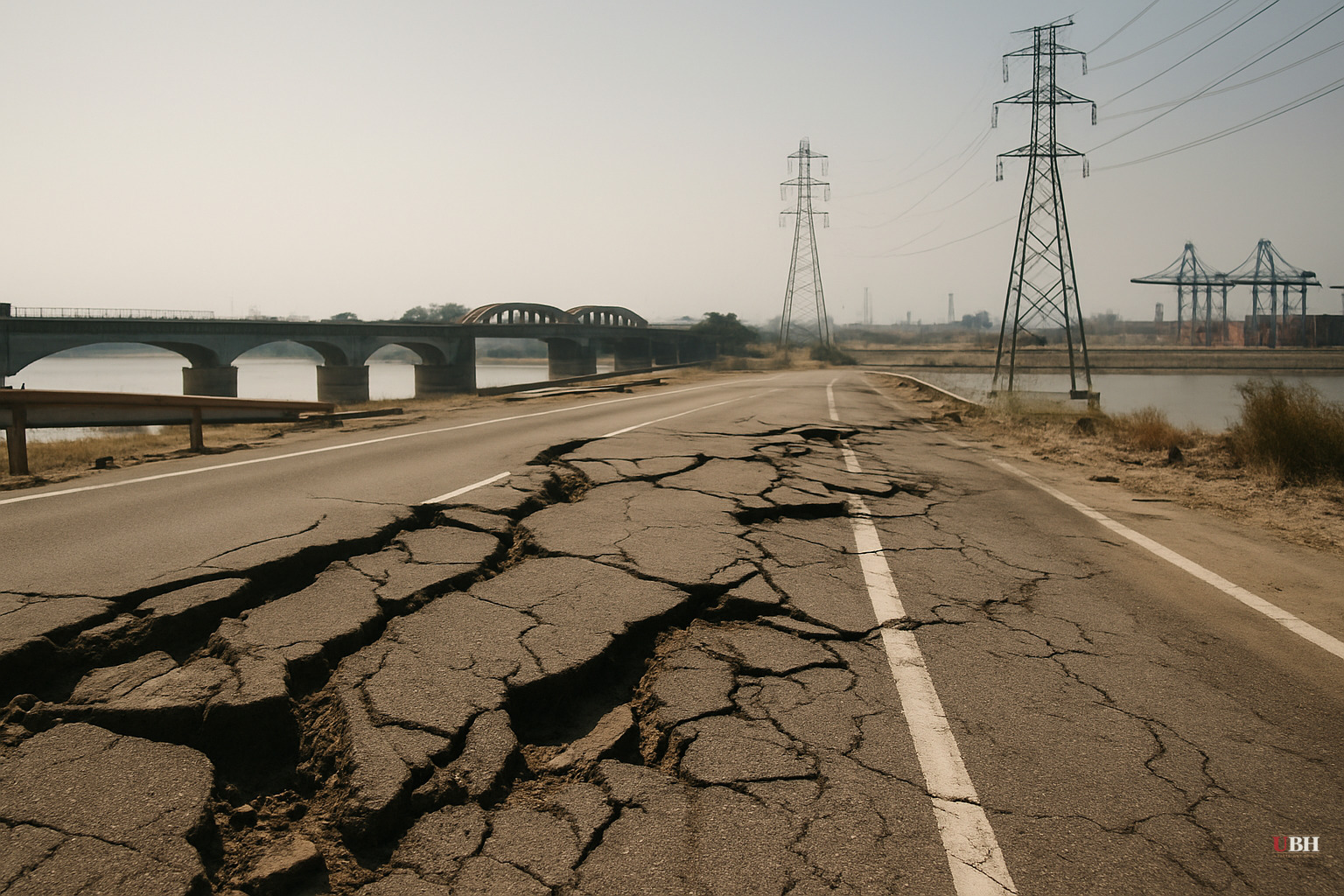
Since previous coverage of Europe's summer heat crisis tracked stranded cruise passengers and grid emergencies, the public health picture has sharpened considerably with fresh mortality data.
According to the Lancet Countdown 2025 Report, as reported by Statista analyst Katharina Buchholz, Europe's heat-related death rate between 2012 and 2021 averaged 5.5 deaths per 100,000 people per year. Compare that to the annual rate observed across the full 1992-to-2021 window: the recent decade nearly doubled it.
Europe Is the Outlier — and Not in a Good Way
Similar upward trends appeared over the same period in Asia-Pacific and the Americas. But both regions stayed well below European levels. Asia-Pacific reached 3.4 deaths per 100,000 annually during the last decade; the Americas reached 2.1. Europe's rate is more than 60 percent higher than Asia-Pacific's and more than double the Americas'.
The Lancet data identifies two compounding factors specific to Europe. First, aging populations. Elderly people are far more vulnerable to heat stress, and Europe's demographic curve is among the oldest in the world. Second, and critically, infrastructure. Europe's historically temperate zones were simply never built for sustained extreme heat. Air conditioning ownership remains comparatively low. Heat-response knowledge — staying hydrated, recognizing heat stroke early, using cooling centers — is less culturally embedded than in regions where brutal summers are the norm.
The Counterintuitive Finding: Hotter Regions, Smaller Rate Increases
The strongest challenge to a purely climate-change-drives-deaths narrative comes from the data on hotter regions. In Sub-Saharan Africa, North Africa, the Middle East, and South and Southeast Asia, heat kills between 9 and 14 people per 100,000 annually. Those are far higher absolute numbers than Europe's 5.5.
In all three of those regions, the figure has changed by at most 10 percent since the 1990s. Populations that have lived with severe heat for generations have not seen the same dramatic mortality surge. That pattern points toward adaptation, infrastructure, and cultural behavior as variables that matter at least as much as raw temperature increase.
Climate change is almost certainly a factor. But a region's vulnerability depends heavily on whether its housing stock, urban design, public health systems, and population behavior are suited to the conditions it faces. Europe, by that measure, has a significant gap to close.
What This Means for an Aging Continent
Europe's demographic trend runs in the wrong direction for heat resilience. Populations are getting older faster than infrastructure is being upgraded. Air conditioning installation has been historically slow compared to other parts of the world, both for cost reasons and because older building codes did not require it.
The Lancet data covering 2012-2021 suggests that heat-related mortality has not been arrested at the continental scale. Europe remains less prepared than other continents for a changing climate, as its many temperate regions have not built for the heat and have traditionally lacked both the equipment and the cultural knowledge to cope with it.
The events of this summer — PJM grid stress orders in the United States, TUI cruise passengers stranded in Budapest without air conditioning — are individual data points in a broader pattern that the Lancet figures now quantify over a 30-year trend.
The Unresolved Question
The Lancet Countdown 2025 Report data runs through 2021. Several years of additional heatwave seasons have passed since that cutoff. Whether subsequent summers have accelerated or plateaued the mortality rate is a question the next Lancet update will have to answer.
Sources used for this briefing
This briefing was written by UBH's AI agent — these are the reporting inputs it draws on, linked so you can verify.


