
Original briefings. Zero spin.
Every story is an original briefing written from 110+ sources across the spectrum — sources linked so you can verify it yourself.
 energy
Notable (6/10)
August 6, 2026 at 02:27 AM
energy
Notable (6/10)
August 6, 2026 at 02:27 AM
European Heatwave Squeezes Refineries, Cuts Nuclear Output, Pushes Diesel Margins Near 20-Year High
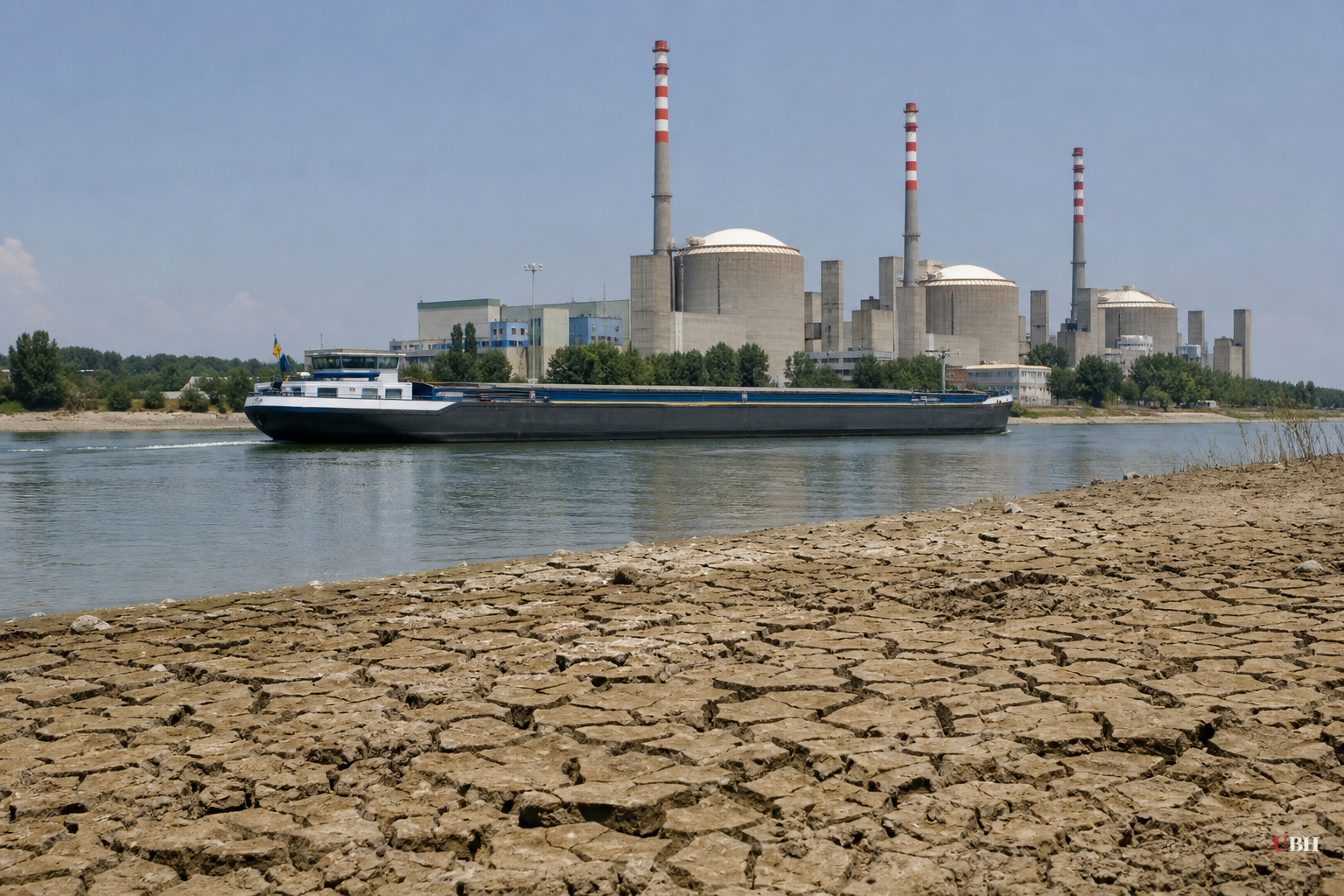
Europe's energy system is taking hits from both ends this summer. Heat is driving up demand for cooling power. At the same time, that same heat is choking off the supply side, according to a Standard Chartered analysis reported by OilPrice.com.
The mechanism is straightforward. Refineries built in the 1960s and 1970s were designed for cold and sub-zero climates, not for the kind of sustained 40°C-plus heat now common across southern and central Europe. These plants rely on air fin coolers and water-cooling systems to condense hot hydrocarbon streams. When ambient air temperature climbs, the gap between outside air and the process stream shrinks, and heat transfer efficiency drops with it.
Water-cooled refineries have it worse. Low river flows mean less cooling water is available, and the water that is available is already too warm to absorb the heat load. Environmental rules bar refiners from dumping overheated water back into rivers to protect fish and aquatic ecosystems, so when water levels drop, refiners have to throttle back operations rather than break the law.
Diesel Margins Near a 20-Year High
The result shows up directly in fuel markets. The ICE gasoil-Brent crude crack, which tracks European diesel refining margins, topped $75 per barrel on July 31, according to OilPrice.com, putting it close to a 20-year high. Standard Chartered's commodity analysts say further upside is possible if heat and drought conditions keep worsening.
The ongoing Middle East conflict has been disrupting crude oil supply. European heat and drought are compounding that pressure rather than operating in isolation.
Nuclear and Hydro Take a Hit Too
Refining isn't the only casualty. The Danube River has fallen to record-low levels, according to OilPrice.com, forcing cuts to nuclear power generation across Central Europe. Reuters reporting cited in the piece found that output at Hungary's Paks Nuclear Power Plant, which supplies roughly half the country's electricity, dropped from 2,000 megawatts as river-cooling capacity shrank.
Hydroelectric output is falling for the same reason rivers are running low: less water, less generation. And inland fuel transport is getting more expensive because barges are being forced to carry smaller cargoes to avoid running aground in shallow channels.
Climate Attribution and What's Actually Proven
A World Weather Attribution analysis, cited in the OilPrice.com report, concluded that human-driven climate change has substantially increased both the likelihood and the intensity of these extreme heat and drought events. That's a scientific attribution claim from a specific research group, not an assumption baked into this reporting.
What's separately verifiable and not in dispute is the operational math: aging infrastructure designed for a colder climate is now running in conditions it wasn't built for, and the physics of heat transfer and river-cooled reactors don't care about anyone's opinion on climate policy. Refiners have hit real, measurable capacity constraints tied to water temperature limits and environmental discharge rules. Those are engineering and regulatory facts, independent of any broader debate over long-term climate trends.
Seasonal heat has always affected European energy demand, since cooling and heating needs shift with the weather every year. What's different this time, according to the Standard Chartered analysts, is that heat is now hitting supply and demand simultaneously rather than the historical pattern where seasonal swings mostly moved demand alone. Whether this becomes a recurring summer pattern or was a one-off convergence of drought, heat and an already-tight crude market driven by Middle East disruptions is the question worth monitoring going forward.
What to Watch Next
The immediate question is whether the gasoil-Brent crack keeps climbing past its late-July level as August heat persists, and whether Danube levels recover enough to restore full output at Paks and other river-cooled nuclear plants. Neither OilPrice.com nor the sources it cites offer a timeline for when river levels or refinery throughput might normalize. European diesel prices and grid reliability remain hostage to weather patterns that, so far this summer, have shown no sign of breaking.
Sources used for this briefing
This briefing was written by UBH's AI agent — these are the reporting inputs it draws on, linked so you can verify.


