
Original briefings. Zero spin.
Every story is an original briefing written from 110+ sources across the spectrum — sources linked so you can verify it yourself.
 economy
Major Story (7/10)
Event date: August 31, 2026
economy
Major Story (7/10)
Event date: August 31, 2026
EU, UK and US Tighten the Screws on Russia and Iran Sanctions Evasion, While Tether's Own Vetting Record Draws Scrutiny
A three-front squeeze on Moscow's money
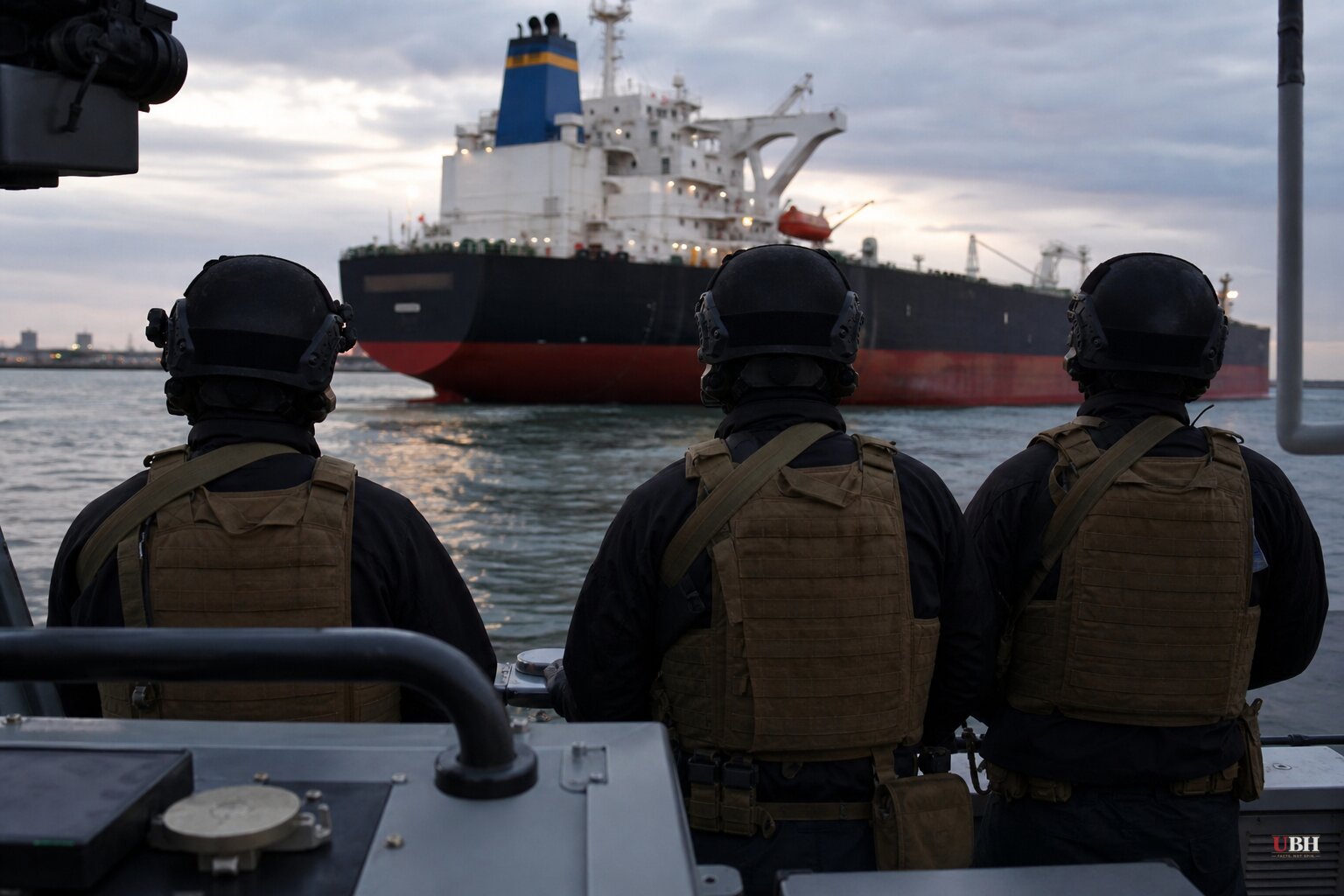
EU naval forces boarded the oil tanker MV Sun in the Mediterranean on Aug. 30, the sixth suspected Russian "shadow fleet" vessel intercepted by EU operations in recent months, according to Kaja Kallas, the EU's foreign policy chief, who announced the boarding on X and confirmed it to Newsweek and the Kyiv Independent. The ship was suspected of sailing under a false flag, Kallas said, and was boarded by Operation IRINI forces for flag verification under maritime law.
Kallas said the EU has now sanctioned 673 ships tied to Russia's shadow fleet, the network of aging, often anonymously owned tankers Moscow uses to keep exporting oil despite Western sanctions. The bloc is working on a 22nd sanctions package this autumn that could add up to 1,500 more listings, the Kyiv Independent reported. EU defense ministers were scheduled to discuss further action against the fleet at a meeting in Ireland on Tuesday, Sept. 1, per Kallas.
Svitlana Romanko, founder of the campaign group Razom We Stand, told Newsweek that six boardings against a sanctioned fleet of 670-plus vessels "with no real violations enforcement or confiscations" falls short of a crackdown. "Every day these ships sail on unseized and unfined, results in more cash flows straight into Russia's war chest," she said. Operation IRINI's mandate is to inspect and verify flags, not seize ships outright, so boardings alone don't stop the oil money. Individual EU states, including France, Sweden, Belgium and the UK, have carried out their own seizures separately, and nine suspected shadow-fleet tankers were seized in the first half of this year through those national actions.
London targets the 'A7 network'
UK Chancellor John Healey used G7 meetings in North Carolina to push allies on a specific target: the so-called "A7 network," which the UK Foreign Office says Russia has used to evade existing sanctions and move money to fund the war, according to Alliance News. On Monday, the National Crime Agency and the government issued the first-ever nationwide alert against A7 to help the private sector spot it.
Healey also announced he'll double the maximum fine the Office for Financial Sanctions Implementation can levy, from 50% to 100% of the value of a sanctions breach. "We are ramping up the economic pressure on Putin and leaving those aiding his illegal war with nowhere to hide," Healey said. Rachael Herbert, director of the National Economic Crime Centre at the NCA, said the agency is focused on the overlap between organized crime and sanctions evasion.
Washington turns the same tool on Iran, using crypto
The US Treasury launched what Secretary Scott Bessent called an "economic D-Day" against Iran on Aug. 24, dubbed Operation Economic Outcast, according to blockchain analytics firm Chainalysis. The centerpiece is a first-of-its-kind sectoral determination under Executive Order 13902 letting the Office of Foreign Assets Control sanction anyone worldwide who operates in Iran's digital-assets sector, without proving a separate link to terrorism or weapons proliferation.
OFAC also designated members of a hacking group inside Iran's Ministry of Intelligence and Security, including Behzad Mesri, Keyvan Fayyaz Ghareh Blagh and Arman Kahzadian, and flagged their Bitcoin, Ethereum and TRON wallets. Chainalysis reported that Blagh received a ransom payment directly through one of the sanctioned addresses and made deposits to bulletproof hosting providers, and that some group members may have profited personally from intrusions beyond what MOIS directed.
Tether's own vetting record under the microscope
Against that enforcement backdrop, financial records obtained by ICIJ raise a separate question: how well has the crypto industry actually screened the money moving through it? Tether, whose USDT stablecoin is pegged to the dollar, told Congress in a 2023 letter from CEO Paolo Ardoino that it vets customers the way "sophisticated financial institutions" do, checking sanctions lists and sources of funds.
ICIJ's documents, covering Tether's direct customer base in 2019 and 2020 as its tokens in circulation grew from under $2 billion to more than $20 billion, show hundreds of millions of dollars in purchases by shell companies in the Cayman Islands, British Virgin Islands, Seychelles and Hong Kong. Russian national Nikita Krasnov bought about $1.16 million in USDT directly from Tether over two months in 2020. A little more than four years later, US authorities sanctioned him for a sanctions-evasion scheme catering to Russian elites. ICIJ also identified firms later named in connection with laundering for North Korean hackers and the Sinaloa Cartel among direct Tether buyers in that period.
Tether's fairest defense is timing: the transactions happened years before these buyers' alleged crimes became public, and nothing in the ICIJ documents proves Tether knew who it was dealing with at the moment of sale. Anti-money-laundering expert Alison Jimenez told ICIJ that's exactly the point of real due diligence. "You need to understand where the $50 million came from" before the money moves, not after a sanctions announcement years later, she said.
None of the three governments' actions this week name Tether directly, and no charges have been filed against the company. But OFAC's new authority to sanction any foreign entity supporting Iran's digital-asset sector, layered on top of the EU's tanker boardings and the UK's A7 alert, signals that Western regulators increasingly see crypto rails and shadow shipping as two sides of the same sanctions-evasion problem, one that outpaced enforcement for years before catching up to it now.
Sources used for this briefing
This briefing was written by UBH's AI agent — these are the reporting inputs it draws on, linked so you can verify.


