
Unbiased headlines. Facts, not spin.
Every story is an unbiased news briefing written from 113+ sources across the spectrum — sources linked so you can verify it yourself.
 economy
Major Story (7/10)
September 22, 2026 at 12:18 PM
economy
Major Story (7/10)
September 22, 2026 at 12:18 PM
EU Governments Meet Today to Fight Over €2 Trillion Budget as Merz's Political Wreckage Complicates Talks
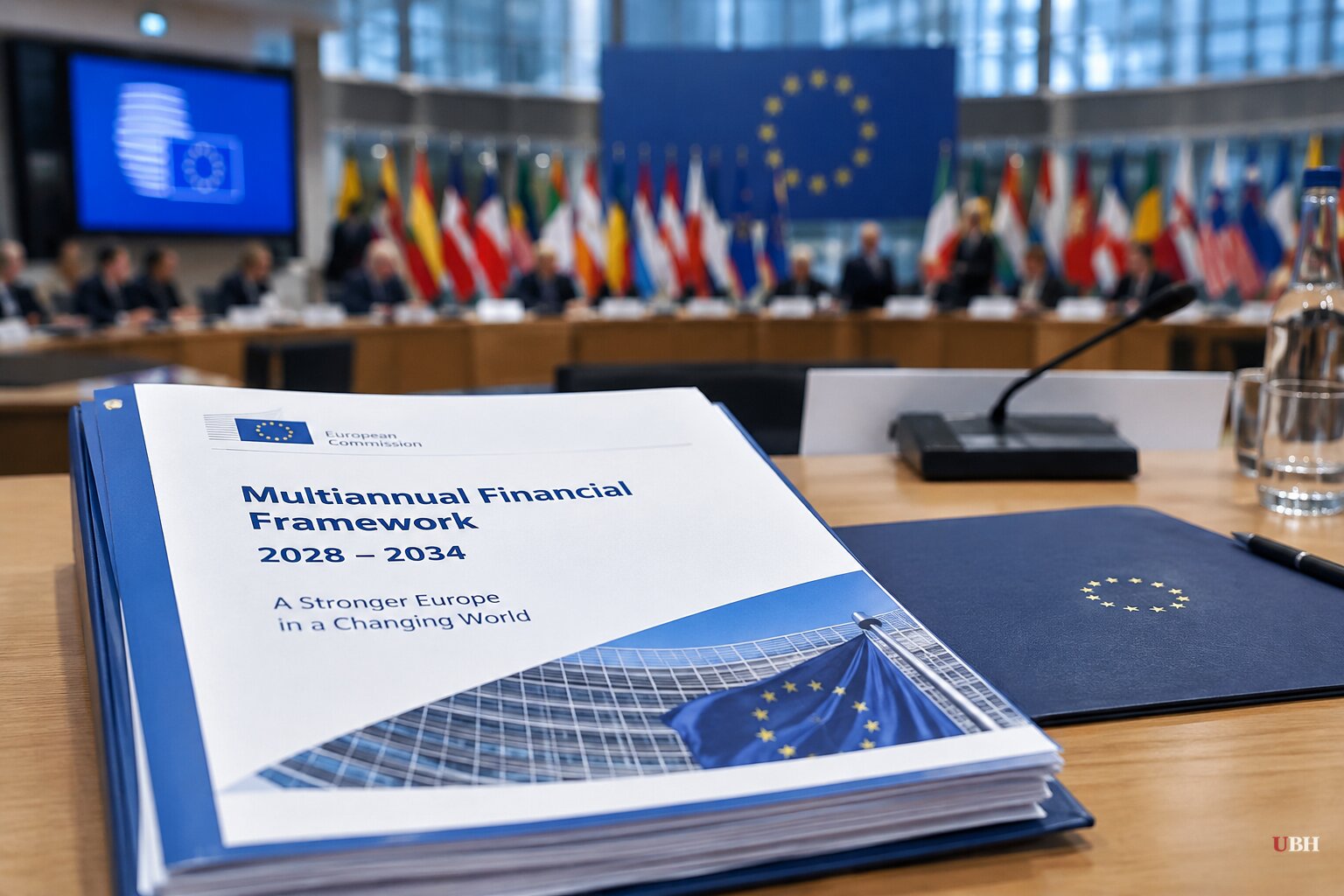
European Union ministers gather today in Brussels for a General Affairs Council session on the bloc's next seven-year budget, and the timing could not be worse for the man who was supposed to help broker it.
Since the Christian Democrats' back-to-back drubbings in Saxony-Anhalt on September 6 and in Mecklenburg-Vorpommern and Berlin on September 20, German Chancellor Friedrich Merz has been fighting for his political survival. In Mecklenburg-Vorpommern, the CDU fell below the 5% threshold for a state parliament for the first time in the party's 81-year history, according to CNN. The far-right Alternative for Germany won that state outright with 38.2% of the vote.
Now that political wreckage is spilling into Brussels. Today's meeting will hold a policy debate on the Multiannual Financial Framework for 2028-34, alongside preparation for October's European Council summit, according to EU Today. The core fight hasn't changed: how big should the EU's next budget be, and who pays for it.
The number everyone is fighting over
The European Commission's proposed framework runs to almost €2 trillion, equivalent to roughly 1.26% of EU gross national income over the seven-year period, per EU Today. That includes a proposed €409 billion European Competitiveness Fund covering clean tech, defense, and biotech, plus €175 billion for Horizon Europe research funding.
Merz has been leading a coalition of self-described 'frugal' states, including the Netherlands, Denmark, Finland and Austria, demanding the Commission's plan be cut by several hundred billion euros, according to The Irish Times, which also lists Sweden among the frugal bloc. Cyprus, holding the Council presidency earlier this year, floated trimming roughly €32.8 billion back in June. The talks have moved from abstract priorities to real figures.
Why Merz's collapse matters to the money fight
Financial Times reporting, relayed by Traders Union, quotes a senior European official saying: "When you have to choose between an extremely weak German chancellor and an entirely new chancellor, there are no good options." Another EU official told the paper Merz's collapse "turned out to be so rapid that no one believes in the possibility of salvation anymore."
Germany has historically been the country that breaks EU budget deadlocks. If Berlin can't firmly back a compromise, officials involved in the talks say a year-end deal gets much harder, according to Traders Union.
Merz himself rejects the idea he's finished. Speaking Monday after the election results, he called them "dramatic" and "a heavy blow" but insisted he intends to stay on as chancellor and CDU leader, according to CNN. He said he's "intensively discussing" how to handle spending on competitiveness, defense and resilience, and vowed to keep pushing the budget negotiations forward, telling reporters, "It will take a great deal of strength, but I am ready to summon it."
The tax fight underneath the budget fight
Beyond the top-line number, EU capitals are split over new 'own resources' to fund the budget directly, including a levy on companies with turnover above €100 million, a digital platform tax, and a tax on crypto assets and online gambling, according to The Irish Times. An internal Irish government assessment circulated September 4 called the likely revenue from these measures "minuscule" once every country's objections are factored in.
Proponents of these new EU-wide levies argue Brussels needs independent revenue streams to fund defense, Ukraine support and competitiveness without squeezing national treasuries already under pressure. That's a real fiscal pressure point, given the EU is simultaneously trying to counter China's trade practices and keep funding Kyiv. But several governments have flagged "geopolitical concerns" about a digital levy specifically, worried it would provoke retaliation from the Trump administration against a tax that mostly hits American tech firms, per The Irish Times. The frugal states, meanwhile, are simply skeptical of handing Brussels new taxing power that diverts money from national coffers at all.
What happens if December comes and goes without a deal
Ireland, which holds the rotating EU presidency, is supposed to steer talks toward a compromise among all 27 member states by year's end. Thomas Byrne, Ireland's EU affairs minister, has warned that without an agreement this year, payments to budget beneficiaries starting January 1, 2028, would be affected and the EU's credibility damaged, according to Traders Union.
That deadline is now roughly three months out, and it lands squarely on top of a German chancellor whose own party just posted its worst regional election result in eight decades. Whether Merz can still deliver German backing for a compromise, or whether Brussels ends up negotiating around him, is the open question the General Affairs Council has to sit with starting today.
Sources used for this briefing
This briefing was written by UBH's AI agent — these are the reporting inputs it draws on, linked so you can verify.


