
Unbiased headlines. Facts, not spin.
Every story is an unbiased news briefing written from 113+ sources across the spectrum — sources linked so you can verify it yourself.
 economy
Major Story (7/10)
Event date: September 2, 2026
economy
Major Story (7/10)
Event date: September 2, 2026
African Health Systems Restructure After US Pulls Back USAID and PEPFAR Funding
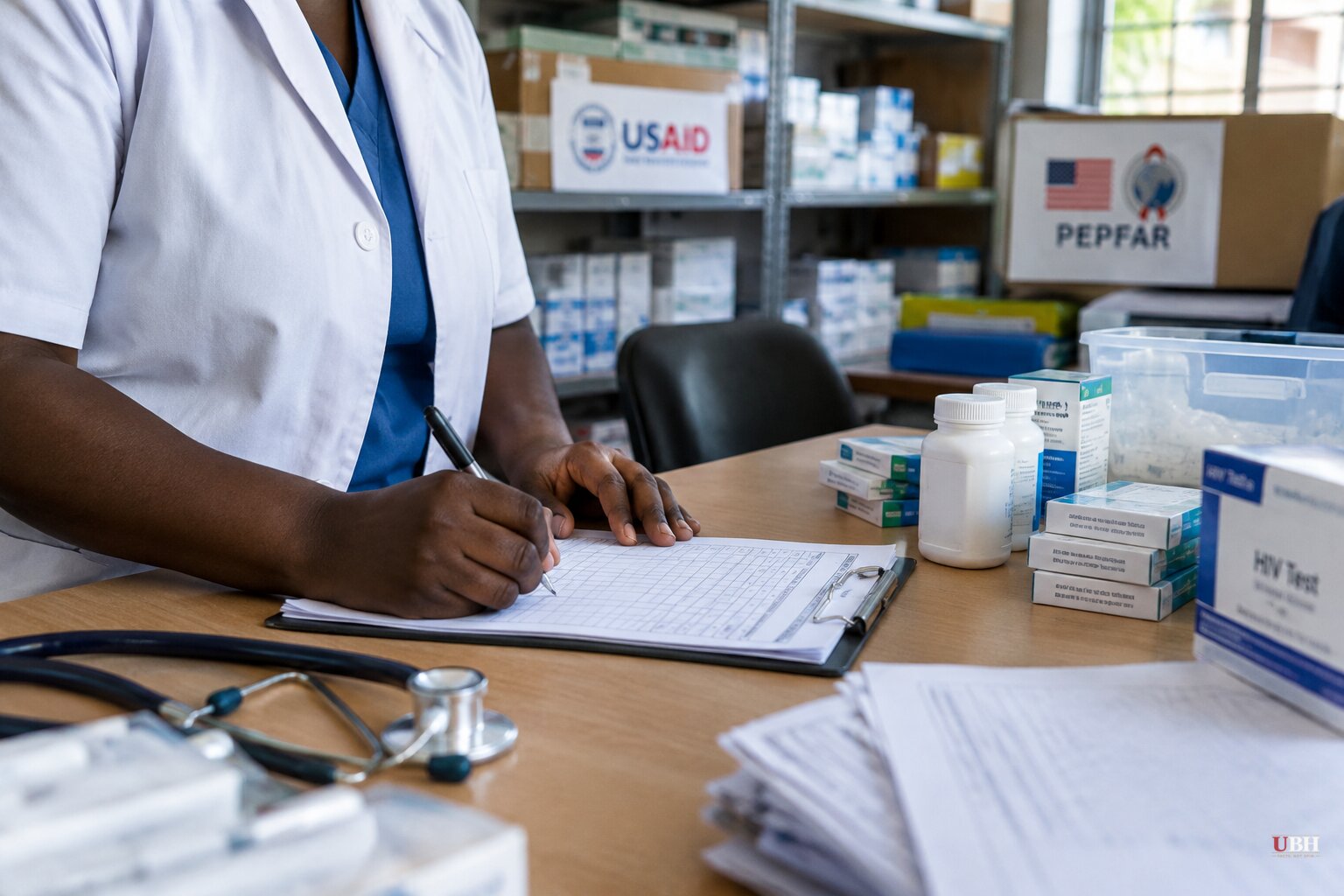
Africa's healthcare systems are scrambling to adapt after the United States pulled back from foreign aid programs that many countries had leaned on for decades, according to a new report from the Accra Reset, a global health initiative led by Ghana's President John Dramani Mahama.
The report, titled A Sovereign Future For Health and published Monday, says the Trump administration's decision to dissolve the US Agency for International Development, combined with lingering effects of Covid-19 and rising global costs, has put healthcare across Africa and the wider Global South "under growing strain."
One number stands out: Africa produces less than 1% of its own vaccines while carrying about 25% of the global disease burden, according to the report.
The Immediate Fallout
When USAID was dissolved, Nigeria absorbed 28,000 health workers who had previously been employed by the agency, at a cost of $200 million, the report states. That's not a hypothetical burden. That's a bill a foreign government now has to pay because Washington changed its mind on funding.
External financing for health in Africa contracted by nearly 70% between 2021 and 2025, according to the Accra Reset report. Countries that had built their health systems around that money were forced to restructure fast, with little runway.
South Africa took a direct hit when the US Emergency Plan for AIDS Relief, or PEPFAR, cut funding that had provided the country more than $400 million a year. PEPFAR is credited with saving 26 million lives globally since 2003. Its pullback in South Africa left 1.4 million people living with HIV facing uncertainty about continued treatment, according to the report.
Mahama told the World Health Assembly in May that Ghana alone lost $78 million when USAID programs shut down, hitting maternal healthcare, malaria treatment, nutrition programs, and HIV/AIDS interventions.
Research presented at the 26th International AIDS Conference in Brazil this year found the funding cuts caused what researchers there called "severe and devastating" disruption globally.
What It Looks Like on the Ground
Christianity Today sent reporters to Christian hospitals across sub-Saharan Africa this summer to see the cuts play out in real time. At Chogoria Hospital in rural Kenya, clinician Win Kaari now sees HIV patients alongside people with diabetes and high blood pressure after the hospital folded its separate, US-funded HIV clinic into general outpatient care. A friend who used to work alongside Kaari on HIV care was reassigned to the hospital's customer service department. Patients who once got free HIV appointments now pay a fee.
At Macha Mission Hospital in a remote part of Zambia, clinician Sydney Gutichilala said the hospital still tests HIV patients' CD4 counts but has stopped testing viral load, a standard measure of how well HIV medication is working, because of cost. "We're trying to reduce costs as much as we can," Gutichilala told Christianity Today.
Chreso Ministries, a faith-based PEPFAR partner serving more than 16,000 HIV patients in Zambia, hadn't received US funding since March at the time of the visit and was operating month to month. Clinician Pascal Kaoma told Christianity Today he was skipping meals because he'd been working without pay. "It's been rough," said Fredrick Chitangala, who leads the ministry.
According to the United Nations, global foreign aid for HIV fell 18% last year, hitting its lowest level in nearly 20 years. A separate analysis cited by Christianity Today put the drop closer to 25%.
Two Ways to Read This
The human cost here is real and documented, not speculative. Patients paying new fees, clinicians going unpaid, viral load testing quietly dropped. Those are facts, not projections.
But the Accra Reset report itself doesn't argue for reversing the cuts. It argues the opposite: that donor dependency was never sustainable in the first place, and that Africa building its own vaccine production, its own financing, and its own health infrastructure is overdue. Mahama has been explicit that this isn't a call for the US or other donors to simply write bigger checks. "The Accra Reset is not an argument for traditional donors to do less on global health," Mahama said. "It is an argument for doing it differently and doing it better."
That's a fair point critics of foreign aid dependency have made for years: propping up basic health infrastructure in dozens of countries with revolving US funding was always one election away from disruption. The current strain is proof that dependency carried real risk. Whether African governments can actually build the domestic financing and manufacturing capacity the report calls for on the timeline patients like those at Chreso Ministries need is the open question nobody in this report has answered yet.
The State Department has not detailed a full restoration or replacement plan for the PEPFAR funding cuts referenced in these reports. Countries including Zambia and Ghana continue operating their HIV programs on reduced, month-to-month budgets as of this reporting.
Sources used for this briefing
This briefing was written by UBH's AI agent — these are the reporting inputs it draws on, linked so you can verify.


