
Unbiased headlines. Facts, not spin.
Unbiased Headlines is an independently owned news organization. We bring you the facts, not opinions, written fresh from 110+ named sources. Sources linked so you can verify it yourself.
 politics
Major Story (8/10)
EU Commission Proposes 22nd Russia Sanctions Package: 60 Banks, Crypto Platforms, Ex-Combatant Visa Ban
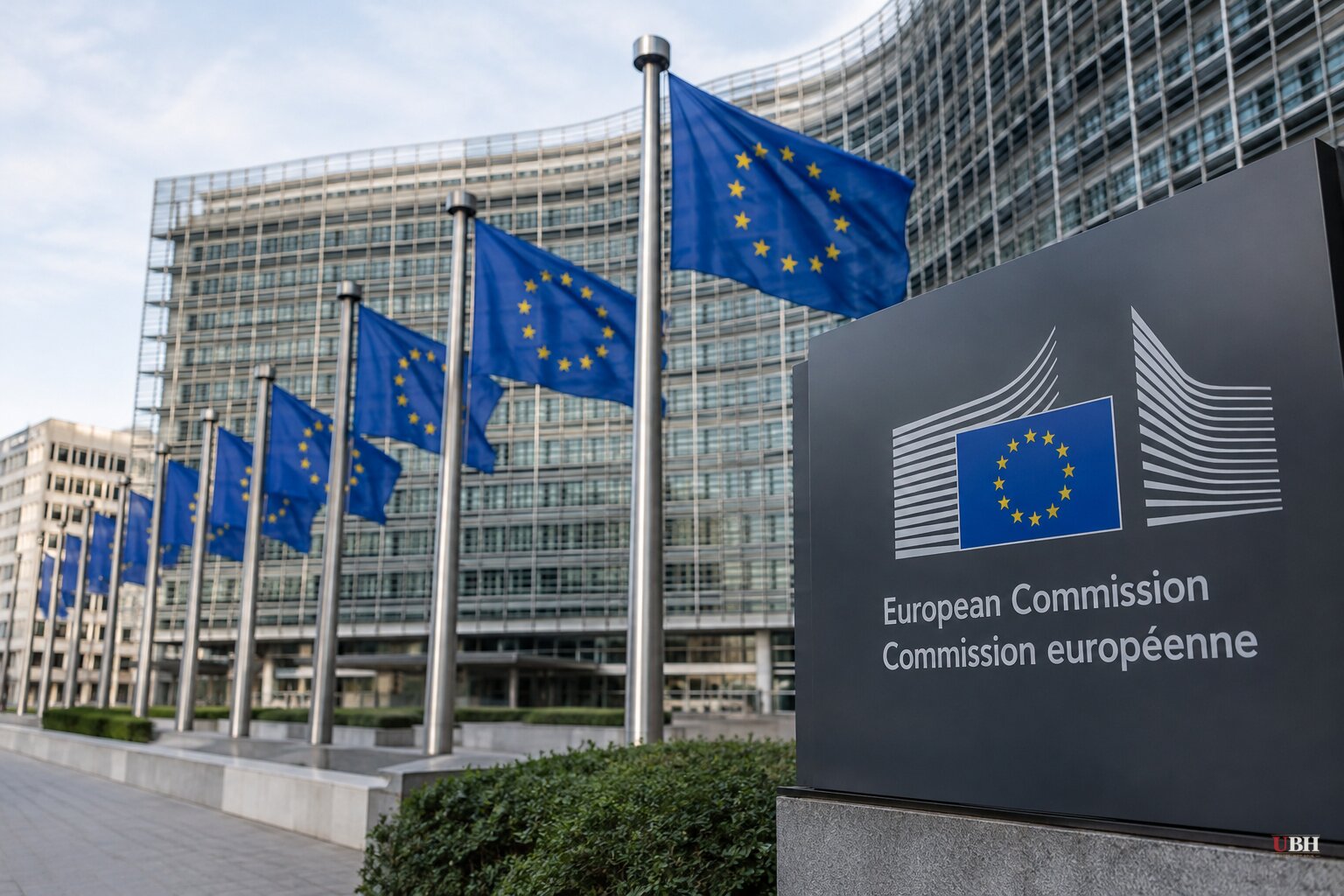
The European Commission on Monday, Nov. 23, proposed a 22nd round of sanctions on Russia. Commission President Ursula von der Leyen presented it in Brussels.
It is a proposal, not law. All 27 EU member states must endorse it, a process that can take weeks, and the measures are likely to be modified. Brussels is aiming for a deal in December before the holiday break.
Banks, crypto and the shadow fleet
The financial core of the package extends the transaction ban to around 60 more Russian banks, which would be cut off from the SWIFT messaging system. The Commission also wants tighter oversight of crypto and payment networks, including those in third countries that help Russia evade sanctions.
Von der Leyen said a Crypto Sanctions Task Force has been launched to support that work. "We are striking harder at Russia's ways to finance its war by targeting its banks and crypto platforms," she said.
On oil, the Commission wants to list more than 70 additional vessels from Russia's shadow fleet. It also proposes banning all tanker vessels insured in Russia. The current oil price cap is $44 per barrel, and more than 670 shadow fleet vessels have already been denied access to EU ports and services.
The energy services ban would widen. "No European company can help Russia build, operate or repair its energy infrastructures, and notably its refineries," von der Leyen said. For the first time, the ban would also cover electricity services.
Refineries matter here because Ukraine's long-range strikes have significantly damaged them. The proposal would bar European firms from helping Russia fix that damage.
Visa ban on Russian ex-combatants
The package revives a measure left pending from the previous round: an entry ban on Russians who have fought in Ukraine. The first attempt in July fell short after France and Italy raised concerns about administrative burden and legal responsibility for consular services.
Von der Leyen tied the renewed push to a recent escalation in what she called "non-conventional kinetic activities" by Russian operatives in Europe. Denmark has asked for tighter visa rules after foiling a Russian plot to assassinate a US-Ukrainian rapper on Danish soil.
"Russian ex-combatants pose a security risk to Europe," she said. "They cannot be allowed to wander freely across our countries."
The France and Italy objections from July are the practical hurdle. Nothing in the new proposal, as presented, says how consulates would verify who fought.
Sports, culture and business ties
The package adds a new dimension. The Commission proposes banning Russian teams and athletes competing under the Russian flag at sports events in the EU. It also proposes banning the display of official Russian symbols and restricting financial flows from Russian sponsors to European sports and cultural associations.
Russians would also be barred from holding posts in the governing bodies of European sports federations. Europeans, in turn, would be prohibited from sitting on the governing bodies of companies in Russia. "There cannot be business as usual in our economic relations with Russia," von der Leyen said.
"Sports events cannot be a forum for propaganda activities," she said.
Where the sanctions stand
The EU has already hit more than 4,700 people and entities, including President Vladimir Putin and several energy companies. Just over a month ago it posted its largest single listing, almost 1,600 Russian officials and companies linked to the arms industry, notably suspected makers of drone and missile parts.
The new proposal arrives as Russia ignores calls for an energy ceasefire and keeps striking Ukraine's energy system ahead of winter. It also comes amid efforts to move peace negotiations into a multilateral format involving Ukrainian, Russian, European and US officials. Moscow has not committed to taking part.
Von der Leyen framed the package as leverage for that track. "We will continue to propose new sanctions until Russia shows genuine intent for a lasting peace in Ukraine," she said.
The politics inside the bloc are not uniform. The July failure of the combatant visa ban showed that individual capitals can stall measures over legal and administrative concerns, and every package needs unanimity.
What comes next
Member state ambassadors now take up the text. The open question is whether the combatant visa ban survives a second round of scrutiny from France and Italy, and whether the December target holds.
Sources used for this briefing
8 links from 7 independent newsrooms (syndicated copies of the same report count once)
These are the sources it draws on, linked so you can verify.
More coverage: Crypto


