
Unbiased headlines. Facts, not spin.
Unbiased Headlines is an independently owned news organization. We bring you the facts, not opinions, written fresh from 110+ named sources. Sources linked so you can verify it yourself.
 politics
Major Story (8/10)
With 258 House Seats Locked In, Democrats Turn to a 100-Day Agenda and Trump Investigations
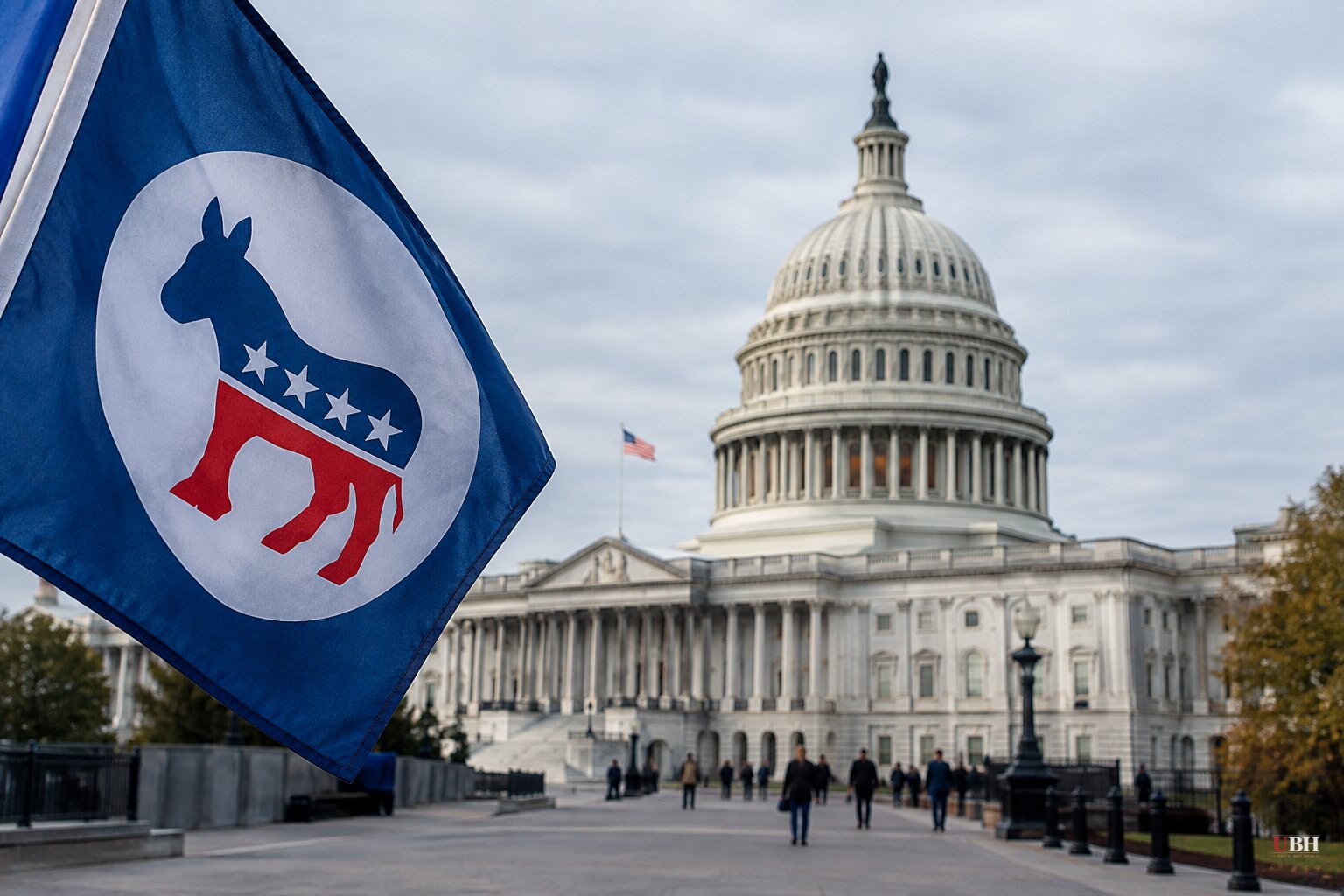
Since Chuck Hubbard's 330-vote win over Rep. Virginia Foxx was called on Sunday, Nov. 22, the story has moved from counting seats to deciding what Democrats do with them. They hold at least 258 of the 435 House seats. Republicans have at least 173.
Four races are still open. Democrat Victoria Broderick leads in Tennessee's 4th District by fewer than 300 votes. Democrat Jake Johnson leads in Minnesota's 1st by fewer than 500. Two Louisiana races go to runoffs in December.
The 258 total matches the party's 1992 haul under Bill Clinton and tops the 257 seats Democrats won in 2008 under Barack Obama. Democrats gained 44 seats, four more than their 40-seat pickup in the 2018 midterms. The new majority takes office when the 120th Congress convenes Jan. 3.
The popular vote gap
NPR's tally of the House vote puts Democrats at 56% and Republicans at 42%. That 14-point margin is the largest Democrats have won in 50 years, according to NPR.
The breadth of the losses is also stark. Republicans lost seats in Texas, South Carolina, Alaska and Iowa, among other deeply red territory. Pennsylvania's Scott Perry and Colorado's Lauren Boebert were ousted. Foxx, in office since 2005, also loses her chairmanship of the House Rules Committee, the panel that decides which bills reach the floor.
Speaker Mike Johnson kept his own seat. He has taken his name out of the running for a leadership position in the next Congress. "This was not an easy decision," Johnson wrote, saying he wants to spend more time with his family after three years as speaker.
What Democrats say they will do
Jeffries, the House Democratic leader, wrote on X that Democrats "have just secured the largest majority any party in Congress has held this century. BOOM." On CBS's "Face the Nation" on Sunday he set the test for his own caucus. "Can you imagine how angry the American people will be with Washington if, over the next two years, we fail to do anything about affordability, fail to do anything about healthcare, and fail to do anything about immigration?" he said.
Democrats are preparing a 100-day agenda built around the cost of living. Jeffries has also said House Democrats will push to raise the minimum wage and reverse Medicaid cuts.
Rep. Jason Crow of Colorado said the caucus should feel the heat. "Like, hell yeah, we should feel pressure," he said, citing people losing health care and livelihoods and what he called Americans being "terrorized from ICE."
Democratic National Committee chair Ken Martin called the result a mandate from voters "fed up with Donald Trump, JD Vance, and Republicans' price spiking agenda."
Hubbard, who told the BBC voters "wanted a change," said he would work with colleagues to hold Trump accountable. He also listed working families, small businesses, public education and affordable health care as priorities.
Oversight is already moving
Rep. Robert Garcia, the top Democrat on the House Oversight Committee, sent 12 letters last Wednesday, Nov. 18. They warned members of Trump's family and senior administration figures to preserve documents. The letters cite investigations Democrats say they plan into alleged corruption, immigration abuses and the handling of files tied to Jeffrey Epstein. Those are Democratic allegations, not findings. The administration has pushed back against the threatened scrutiny.
Why Republicans lost, according to the principals
Trump and Vance have suggested that inflation tied to the war with Iran was probably to blame for the Republican losses. CBS exit polls found that voters who rated the economy as bad voted for Democrats in their House races. It was the second straight election in which most voters told CBS inflation was a hardship.
Vanderbilt political scientist John G. Geer, speaking to The Epoch Times, read the result as a verdict on the incumbents rather than an embrace of the opposition. "The public did not endorse the Democrats," he said. "This was an indictment against the Republicans." He added that the GOP could still recover by the next cycle.
Foxx struck a different tone in her concession statement. She said her campaign focused on "commonsense solutions and conservative values," and that she was "humbled and grateful" that so many voters backed her "even if we came up just a few votes short." She completed a recount she had requested under North Carolina law, which allows one when the margin is under 1%. Hubbard said she "graciously conceded" and committed to a smooth transition of the office and constituent casework.
What comes next
A divided government now means a Democratic House and Senate facing a Republican president with a veto pen. Trump himself noted that power after the results came in. Democrats can pass bills, but Trump still has to give final sign-off for them to become law, which limits what even full control of Congress can deliver.
The pressure Jeffries describes runs both ways. Democrats ran on prices, and the voters who handed them 258 seats will judge them on the same measure. The next concrete markers are the December Louisiana runoffs, the final calls in Tennessee and Minnesota, and the Jan. 3 start of the 120th Congress, when Jeffries is expected to face a vote for speaker.
Sources used for this briefing
8 links from 8 independent newsrooms (syndicated copies of the same report count once)
These are the sources it draws on, linked so you can verify.
More coverage: Donald Trump


