
Original briefings. Zero spin.
Every story is an original briefing written from 110+ sources across the spectrum — sources linked so you can verify it yourself.
 tech
Notable (5/10)
Event date: August 27, 2026
tech
Notable (5/10)
Event date: August 27, 2026
Ethereum Developers Advance Plan to Skip ETH for Gas Fees, But Deployment Is Years Off
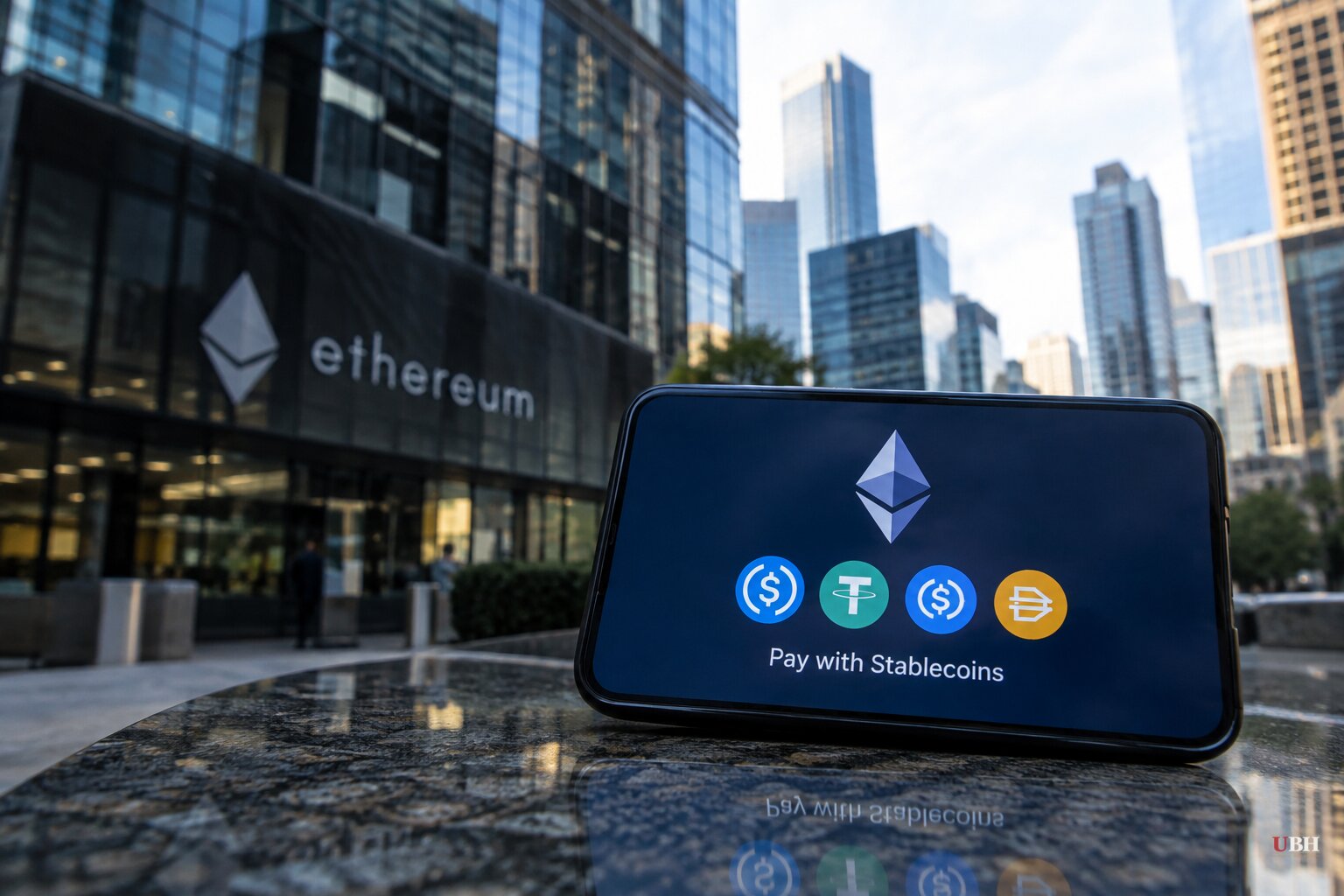
Ethereum's core developers took a formal step on August 27, 2026 toward fixing one of the network's oldest annoyances: you can't move your money unless you already own a different asset just to pay the toll.
The proposal, EIP-8141, also called Frame Transactions, was elevated from "Considered for Inclusion" to "Scheduled for Inclusion" status during that day's All Core Developers Execution call, according to the Hegotá Meta EIP and reporting from crypto.news (via Bitcoin Ethereum News). That status change means Ethereum's client engineering teams have committed to building and testing the feature for the Hegotá network upgrade, which multiple outlets, including coinlaw.io and CoinGape, describe as targeted for 2027.
The Problem It's Solving
Right now, every Ethereum transaction is bundled into one signed object that proves who you are, what you're doing, and pays the network fee, all in ETH. A wallet can hold hundreds of dollars in stablecoins like USDC and still be stuck, because there's no ETH in it to cover gas, as coinlaw.io put it.
EIP-8141 breaks that bundle into separate pieces called "frames." Tech Times reports the transaction type is designated 0x06 in Ethereum's registry, with a VERIFY frame that approves who pays, a SENDER frame that executes on the account owner's behalf, and a DEFAULT frame that runs from a neutral entry point. A new EVM instruction, APPROVE (opcode 0xaa), separates the fee-payment approval from the identity authorization. Practically, that means a payments app, a sponsor contract, or a stablecoin exchange can cover the ETH gas bill while the user never touches ether at all. Validators still get paid in ETH. The settlement layer doesn't change, according to Tech Times.
Vitalik Buterin, one of the proposal's ten listed authors, flagged the momentum on X, writing that "a lot of important progress on Frames (EIP-8141) has been quietly happening over the last few months" and pointing followers to the updated specification, as quoted by coinlaw.io, Bitcoin Ethereum News, and Coin Tribune.
Not the First Attempt, and Not Live
This isn't Ethereum's first swing at sponsored gas. ERC-4337, live since 2023, already lets some smart-contract wallets sponsor transactions through a separate mempool, bundlers, and paymaster contracts, according to Bitcoin Ethereum News. Frames would fold that capability directly into Ethereum's base protocol and ordinary mempool instead of routing around it. That means even standard externally-owned accounts, not just smart wallets, could benefit, per Coin Tribune.
The proposal also bundles multi-step actions, like approving a token spend and then swapping it, into one atomic transaction, so a failed trade doesn't leave a stray permission sitting active, as both Coin Tribune and en.spaziocrypto note. And because Frames let an account swap out its authorization rules without moving to a new address, it opens a path to rotating a private key for a quantum-resistant one later, CoinGape reports, citing an Ethereum Foundation target of a quantum-resistant Layer 1 by December 2029.
Coverage vs. Reality
Tech Times' headline, "Ethereum Locks In Protocol That Eliminates ETH Requirement for Gas Payments," reads as more settled than the facts support. Scheduled for Inclusion is a development commitment, not a locked, deployed feature. Multiple sources, including Crypto Briefing and CoinGape, describe EIP-8141 as still a draft ahead of a 2027 rollout, meaning its technical details can still change before it ships. Spaziocrypto states plainly that "this feature is not available today, and the path to delivery is still long."
What's Actually Unresolved
Coin Tribune identifies the real bottleneck: none of this matters to ordinary users until wallets like MetaMask, Coinbase Wallet, or Trust Wallet actually build support for it. No deployment date exists for that separately from the Hegotá timeline itself.
There's also an immediate procedural deadline. Tech Times reports that a developer preference deadline for all Hegotá proposals falls on September 10, 2026, tomorrow, which will signal whether client teams are still aligned on shipping Frames alongside whatever else makes the upgrade's final cut. Whether EIP-8141 survives that process intact, and whether major wallet providers commit to supporting it once Hegotá ships, remain open questions with no public timeline yet.
Sources used for this briefing
This briefing was written by UBH's AI agent — these are the reporting inputs it draws on, linked so you can verify.


