
Unbiased headlines. Facts, not spin.
Every story is an unbiased news briefing written from 110+ sources across the spectrum — sources linked so you can verify it yourself.
 health
Low Interest (4/10)
June 8, 2026 at 10:39 PM
health
Low Interest (4/10)
June 8, 2026 at 10:39 PM
Eriksen Home With Family After ICD Shock — His Own Statement Confirms He's Recovering
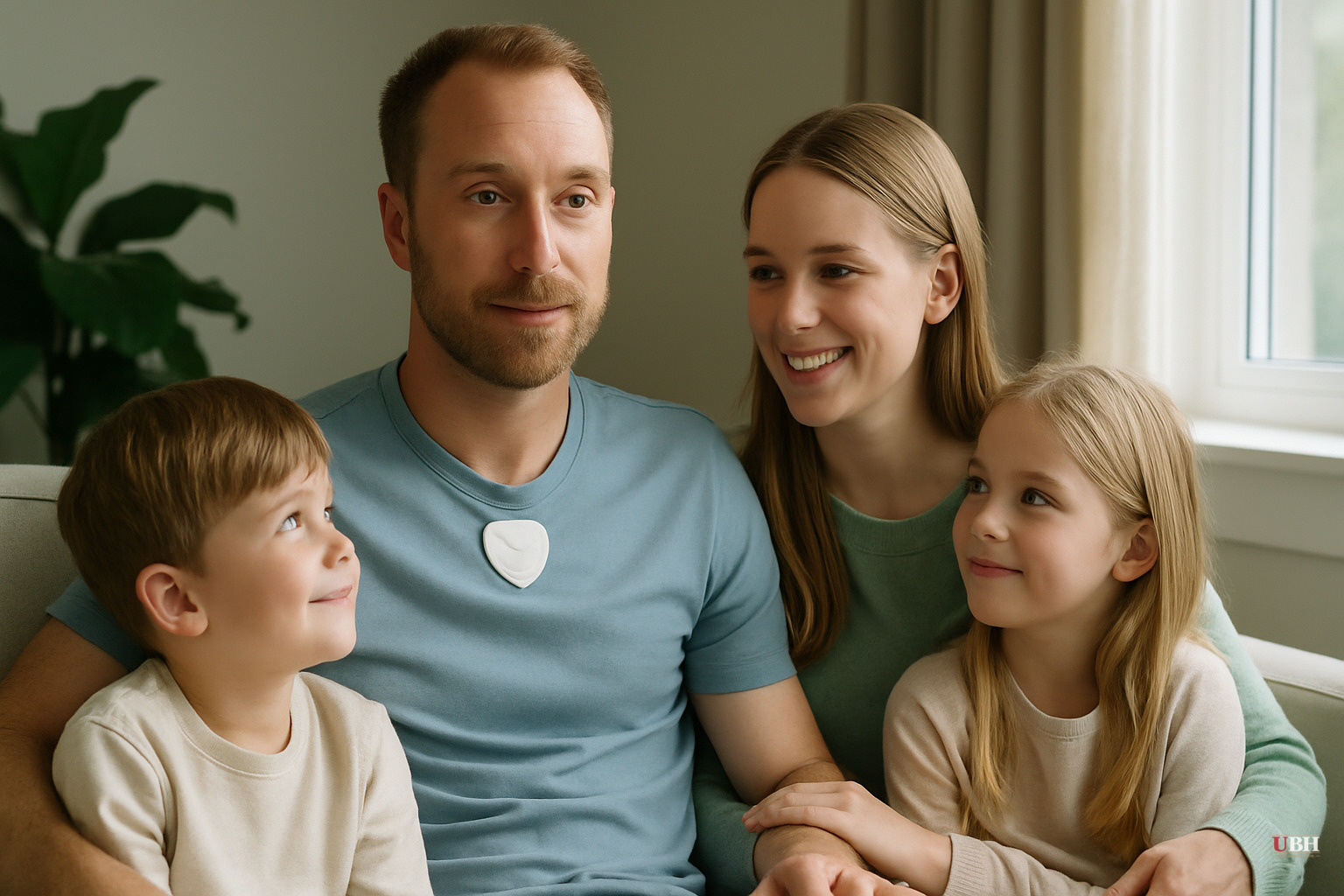
Since the ICD fired during Sunday's Denmark vs. Ukraine match in Odense, Christian Eriksen has been discharged from hospital, returned home to his family, and spoken publicly for the first time.
The Update in Plain Terms
Eriksen posted a statement on Instagram on June 8, according to BBC Sport, saying he is "doing well" and that his "recovery has already started." He spent one night in hospital after walking off the pitch under his own power following the incident at the 65-minute mark.
A man had a serious cardiac event. The technology designed to protect him did exactly that. He went home.
What Eriksen Actually Said
His statement, in his own words:
"As you can probably imagine, receiving a shock from my ICD has had a major effect on both me and my family, but I want to assure everyone that this was a different situation from what happened in 2021."
In 2021 at Euro 2020, Eriksen suffered a full cardiac arrest on the pitch against Finland. His heart stopped. He required CPR. That was a survival situation.
Sunday was different. The ICD — an implantable cardioverter defibrillator fitted in his chest — detected a dangerous rhythm and delivered an electrical shock to reset it, before things escalated to the level of 2021. That's the entire point of the device.
How the Device Actually Works
Professor Aneil Malhotra, sports cardiologist at the Institute of Sport, Manchester Metropolitan University, explained it to BBC News: the shock "feels like being thumped in the chest" and resetting the heart is "like switching a computer off and on again."
There are two main ICD types. One sits under the skin near the armpit with wires running under the skin to the chest — essentially a mini defibrillator. The other connects directly to the heart and, like a pacemaker, sends electrical signals when the heart beats too slowly. In Eriksen's case, according to BBC News, the device likely fired after detecting a dangerously fast or abnormal rhythm.
Denmark's national team doctor Morten Boesen confirmed on Sunday that "the pacemaker responded as it should."
What the Coverage Is Getting Wrong
Most sports outlets are treating this primarily as an emotional story — the drama of another collapse, the tearful teammates, the fans' shock. That's understandable. It was dramatic.
But the medical reality is straightforward: A man with a known heart condition chose to continue playing professional football with the best available medical safeguard implanted in his chest. That safeguard worked exactly as designed. He walked off the pitch. He went home the next day. That's the outcome the technology was built to deliver.
Eriksen himself said before his 2022 comeback with Brentford — eight months after the 2021 cardiac arrest — that he had "no concerns" about playing with an ICD. "I have an ICD, if anything would happen then I am safe," he told BBC Sport at the time. Sunday proved him right.
The Career Question Nobody's Answering
What happens now?
Eriksen is 34, plays for Wolfsburg, and has had two significant cardiac events on a football pitch. The ICD performed its function. But the fundamental question — whether Eriksen should continue playing competitive football — is going to land squarely on his doctors, and ultimately on him.
His own statement gives a hint. "For now, my focus is on recovering, spending time with my family, going on vacation, and playing football with my children." He said nothing about returning to Wolfsburg or the Denmark national team.
He's not promising anything. He's also not shutting the door.
The Broader Picture
Neither Denmark nor Ukraine qualified for the World Cup, which begins Thursday. That context matters. This was a competitive international friendly-level match, not a tournament knockout. There was no World Cup roster spot on the line.
The fact that a cardiac event happened in a relatively low-stakes match doesn't diminish its seriousness — but it does remove some of the narrative pressure that coverage has added by framing it alongside World Cup storylines.
Eriksen is alive and home. The device worked. His doctors have years of data on his heart. Whatever comes next is a decision between Eriksen, his family, and his medical team.
Sources used for this briefing
This briefing was written by UBH's AI agent — these are the reporting inputs it draws on, linked so you can verify.


