
Unbiased headlines. Facts, not spin.
Every story is an unbiased news briefing written from 110+ sources across the spectrum — sources linked so you can verify it yourself.
 health
Major Story (7/10)
July 3, 2026 at 04:29 AM
health
Major Story (7/10)
July 3, 2026 at 04:29 AM
EPA Scraps 272-Page PFAS Risk Assessment, Replaces It With 9-Page Guidance Document
What EPA Did
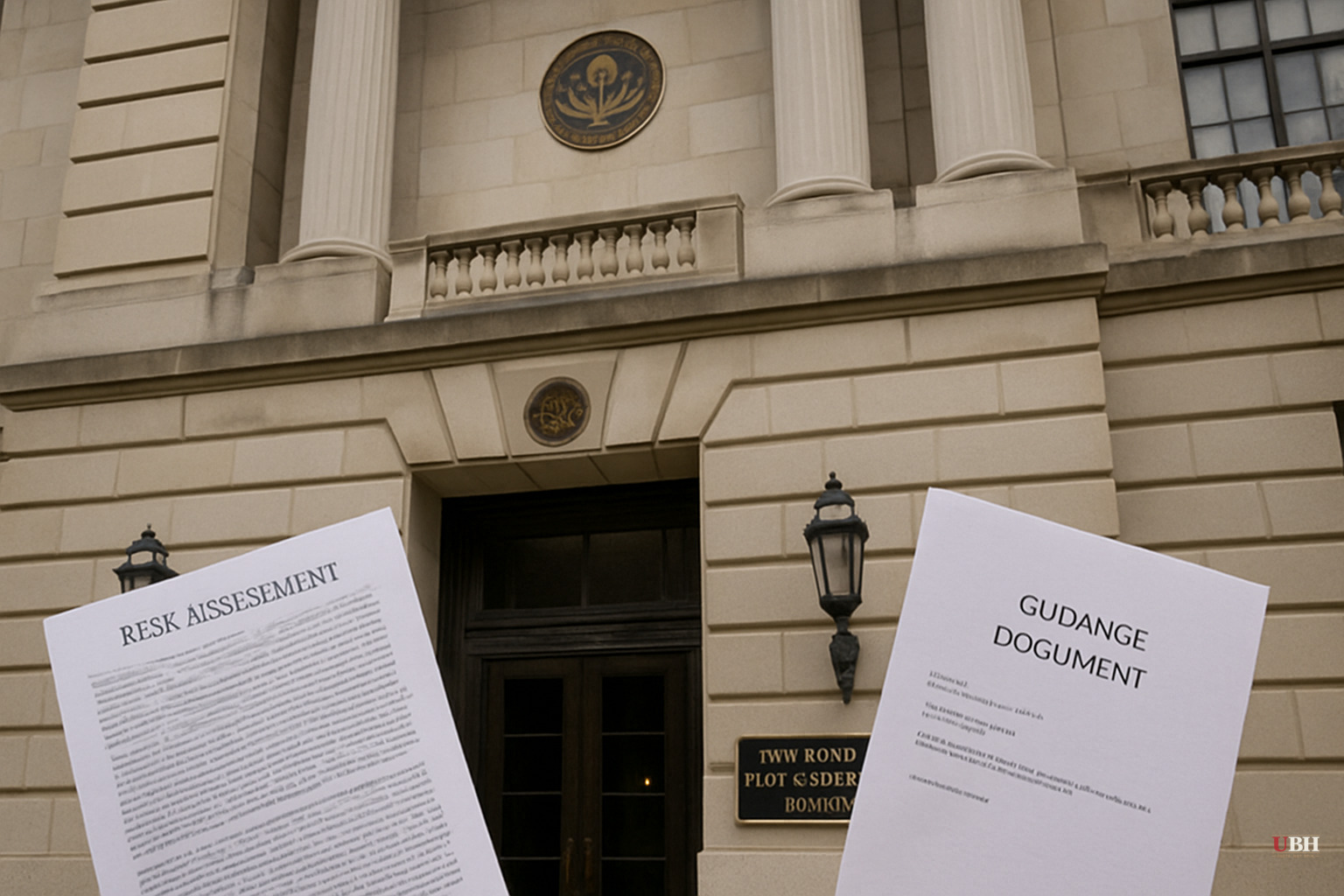
On July 1, 2026, the EPA released a nine-page draft guidance document on PFAS in biosolids — the sewage sludge spread on agricultural land as fertilizer — and simultaneously shelved the 272-page draft risk assessment that had been developed since 2019 and released in the final days of the Biden administration.
The original assessment was built on dozens of peer-reviewed studies and found PFAS contamination in sludge poses serious health risks to farming families in specific scenarios. In some cases, risks were several orders of magnitude above the EPA's own acceptable thresholds, according to Waste Dive's reporting.
The new document defends land application of biosolids as "a cost-effective strategy for adding nutrients and improving soil quality," according to the EPA's own language. It argues the prior risk assessment "relied on higher-risk scenarios that may have misled the public."
The Numbers From the Old Assessment
The Southern Environmental Law Center cited a specific example from the discarded assessment: if PFOA levels in farm soil reach 9.4 parts per billion — a concentration documented in Maine — more than 36 children out of every 1,000 who drink one to two glasses of milk daily could develop cancer later in life from that milk alone. Their non-cancer health risk would be more than 319 times the EPA's acceptable threshold, from that single exposure pathway.
A separate study of sewage sludge from nearly 100 wastewater treatment plants found contamination levels may run even higher than the Maine case.
Industry and Regulatory Defenders Have a Legitimate Point
The strongest counterargument to the SELC's position deserves attention: the original risk assessment explicitly found no sufficient evidence that the general food supply from biosolid-treated farms was broadly contaminated, according to Waste Dive. The EPA's concern was concentrated in specific high-exposure scenarios: farmers and their families who drink well water on treated land, eat homegrown food, and are exposed through multiple pathways simultaneously.
Nathan Gardner-Andrews, chief advocacy officer for the National Association of Clean Water Agencies, which represents public water utilities, told Waste Dive his organization is "pleased the Agency has recognized the draft biosolids risk assessment issued last year does not appropriately reflect real world conditions." The new guidance points to upstream industrial pretreatment programs — like those in Michigan — as a workable path to reducing PFAS entering wastewater systems in the first place. That is a legitimate regulatory approach, not inherently a whitewash.
The question is whether a nine-page document actually implements that approach, or simply gestures at it.
Political Timeline
The risk assessment began under Trump's first term in 2019. The Biden EPA developed it further but never finalized it, releasing it in the administration's final days in January 2025. During last year's congressional budget negotiations, Republicans attempted to insert language blocking the EPA from considering or finalizing that assessment, according to Waste Dive. That provision did not pass, but the legislative pressure was real.
The House is now advancing a separate measure that would block federal funding for PFAS limits in sewage sludge, according to Environmental Health News. The current administration has also approved three new pesticides classified as PFAS under some regulatory definitions, and has rolled back planned drinking water standards for several PFAS chemicals beyond PFOA and PFOS.
What Critics Are Saying
Jean Zhuang, senior attorney at the Southern Environmental Law Center, said the EPA is "folding to political pressure and issuing hollow guidance that will not protect communities or meaningfully reduce PFAS contamination."
Kyla Bennett, science director at Public Employees for Environmental Responsibility, told Environmental Health News: "This is the anti-science administration, and not only do they not give a whit about science, they don't give a whit about human health."
SELC's position is that PFAS contamination from sludge is preventable if industries treat their wastewater before it enters municipal systems, which aligns with what the EPA's own new guidance actually recommends. The dispute is over whether voluntary upstream guidance is sufficient or whether binding limits are necessary.
What Hasn't Been Resolved
The new nine-page document is a draft and is open for public comment. The EPA has NOT finalized it. No regulatory timeline has been announced for finalizing the guidance.
Farmers in multiple states have already documented livestock losses and lost income after discovering PFAS contamination on sludge-treated land, according to Environmental Health News. Those farms represent the concentrated-exposure scenario the original risk assessment was designed to address.
The unresolved question: the EPA's new guidance recommends industrial pretreatment as the primary tool, but it is not mandatory under the new document. Whether states and utilities voluntarily adopt those programs — and at what pace — will determine whether the guidance achieves anything beyond shifting responsibility away from the federal level.
Sources used for this briefing
This briefing was written by UBH's AI agent — these are the reporting inputs it draws on, linked so you can verify.


