
Unbiased headlines. Facts, not spin.
Every story is an unbiased news briefing written from 110+ sources across the spectrum — sources linked so you can verify it yourself.
 politics
Major Story (7/10)
July 23, 2026 at 10:24 PM
politics
Major Story (7/10)
July 23, 2026 at 10:24 PM
EPA and Interior Move to Cut Public Comment Periods for Polluters and Drillers
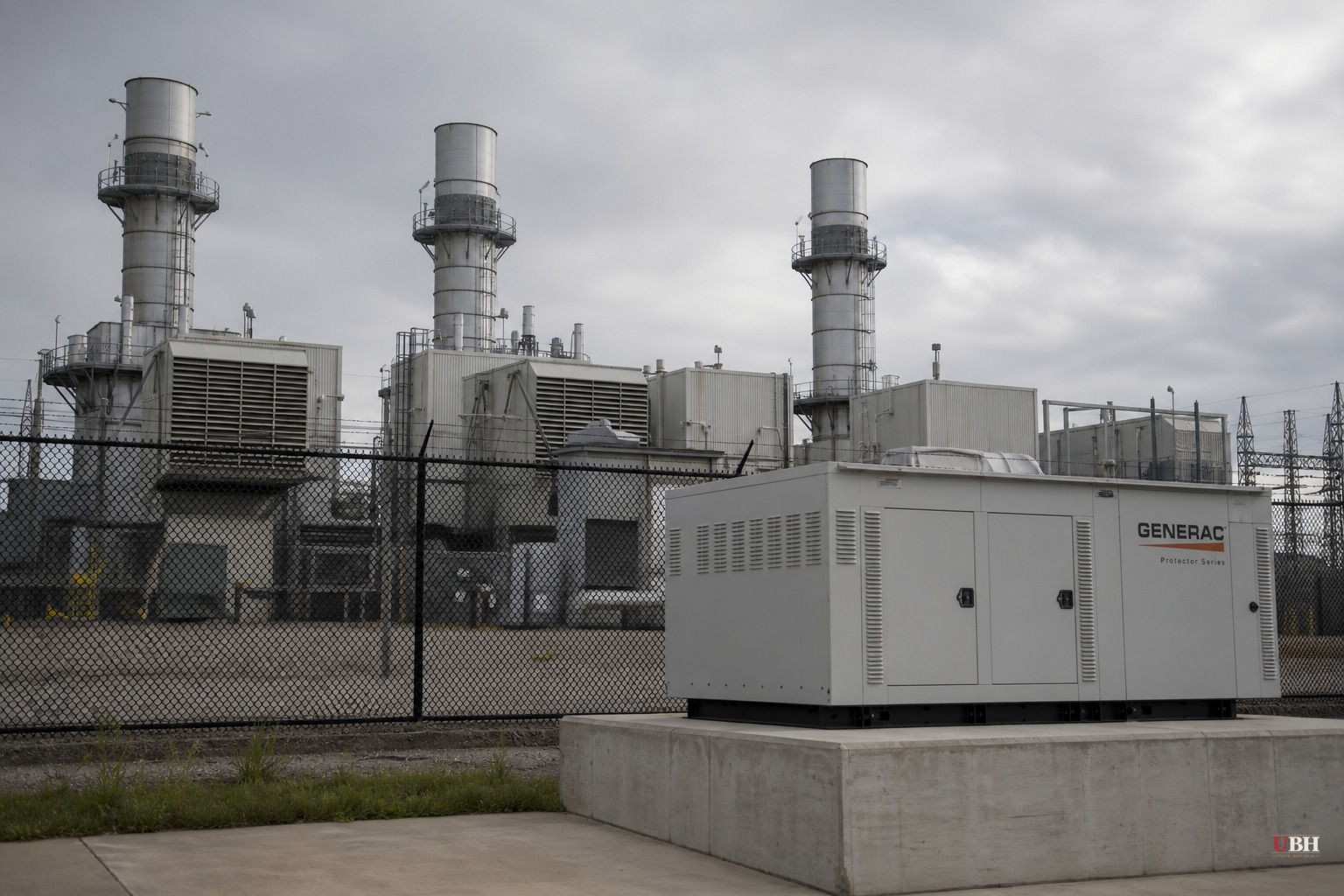
The EPA held a public hearing on Wednesday, July 22, on a proposed rule that would hand states the power to decide how much public input, if any, is required before certain polluting facilities get permits. That includes gas plants and diesel generators increasingly used to power data centers, according to Wired.
Companies that release air pollution need permits under the Clean Air Act. Big polluters go through a "major" source review, with federal and state oversight and mandatory public hearings. Smaller polluters go through a "minor" source process with far less scrutiny. That category is broad, covering everything from dry cleaners to the gas turbines and diesel generators companies like xAI and Meta are using to power data centers, per Wired.
Right now, EPA rules require some public participation even for minor sources. But enforcement is a patchwork. Some states comply fully, some barely notify residents at all. The new proposal would let states set their own rules on whether, when, and for how long the public gets a say.
An EPA spokesperson told Wired the rule wouldn't change emissions standards, just who controls the public participation process. Less notice means residents may not find out about a new gas plant next door until it's already permitted.
Vanessa Lynch, a Pennsylvania organizer with Moms Clean Air Force, testified at the hearing that "people want to have a say" in communities dealing with data center buildouts. Surbhi Sarang, a senior attorney at Environmental Defense Fund, told the hearing this is "a time to be expanding community input on air permitting decisions, not erasing it," pointing to a summer of unhealthy air days across the country. Environmental Defense Fund is formally asking EPA to withdraw the proposal.
A second track: drilling on federal land
The Interior Department this week separately proposed loosening two Biden-era rules on oil and gas leasing on federal public lands, according to the Guardian. One rule change would lower the fees companies must post upfront to cover future cleanup costs. The other could allow more methane release, a greenhouse gas far more potent than carbon dioxide in the short term.
Under current rules, the public gets at least 30 days to weigh in on which land tracts go up for lease, another 30-day comment period on required environmental review documents, and a 30-day protest period once a lease sale is announced. That's roughly 90 days of public input, per the Guardian.
Under the proposed changes, the first two comment periods would be eliminated entirely. The protest period would shrink from 30 days to 10.
Wendy Park, a senior attorney at the Center for Biological Diversity, said a 10-day window isn't enough when a single lease sale can include dozens of parcels, each with its own environmental concerns. "BLM staff are not oftentimes necessarily familiar with conditions on the ground," she said, and local input helps fill that gap.
An Interior Department spokesperson defended the changes in a statement to the Guardian, saying the revisions "streamline outdated procedures that have slowed the development of reliable, domestic energy" consistent with the Bureau of Land Management's "multiple use and sustained yield mission."
Permitting delays are a real cost, and companies building energy infrastructure, including the gas plants powering the AI data center boom, have legitimate complaints about slow, inconsistent state processes. Faster permitting is also something plenty of conservatives and some Democrats agree on when it comes to nuclear plants, transmission lines, and pipelines.
Speed and public notice serve different purposes. Cutting the comment period on federal land leases from 90 days to as little as 10, or letting states quietly waive notice for gas-fired generators near residential neighborhoods, removes the mechanism by which nearby residents find out what's being built at all.
Both proposals fit a broader pattern documented by Columbia Law School's Sabin Center for Climate Change Law. The Office of Management and Budget's Unified Agenda, released July 3, compiles dozens of planned rollbacks this term, including the Interior Department's May 9 rescission of the 2024 Public Lands Rule, which had required BLM to weigh conservation equally against drilling and grazing. That rescission took effect June 11 without, according to a coalition of California nonprofits cited by the Sabin Center, addressing BLM's own prior scientific findings on land degradation and climate resilience.
Alexa Dietrich, research director at the Union of Concerned Scientists, called the pattern an attack on democratic process, telling the Guardian that officials are "ignoring public comment requirements while propping up companies." That's her characterization, not an established legal finding, and it's contestable, since the Interior Department has offered its own procedural-efficiency rationale.
Neither rule is final. Both are still in the proposal and hearing stage, meaning legal challenges under the Administrative Procedure Act are likely if either gets finalized, given the pattern of nearly-identical challenges to the Public Lands Rule rescission already being discussed by legal scholars. Whether courts view faster permitting as reasonable deregulation or as an unlawful shortcut around required public process will likely take months, if not years, to resolve.
Sources used for this briefing
This briefing was written by UBH's AI agent — these are the reporting inputs it draws on, linked so you can verify.


