
Unbiased headlines. Facts, not spin.
Every story is an unbiased news briefing written from 110+ sources across the spectrum — sources linked so you can verify it yourself.
 health
Major Story (7/10)
June 29, 2026 at 06:58 AM
health
Major Story (7/10)
June 29, 2026 at 06:58 AM
England's Child Mental Health Referrals Topped One Million in 2024-25, with 60,000 Kids Waiting Over Two Years for Treatment
The Numbers
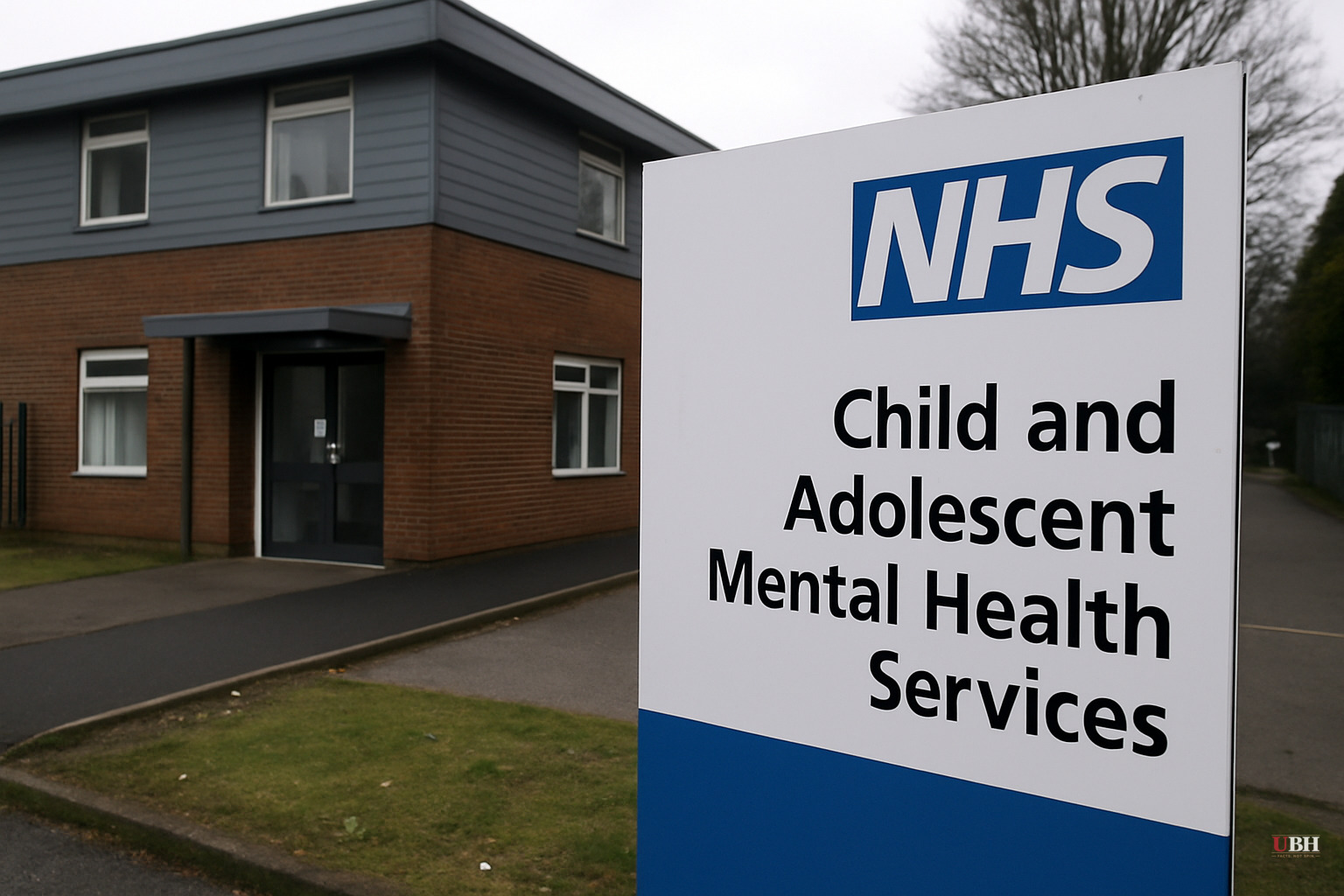
More than one million children were referred to NHS mental health services in England during 2024-25, according to the Children's Commissioner's annual report, Children and Young People's Mental Health Services: 2024-25. This represents a 10% increase from the prior year and roughly double the referral volume from 2018-19.
Anxiety was the single most common reason, accounting for 16% of all referrals.
Suspected autism referrals jumped nearly 50% in a single year, reaching more than 96,000 cases. Referrals for other neurodevelopmental conditions, including ADHD and Tourette's syndrome, rose by nearly a quarter.
The Wait-Time Problem
Volume is one problem. The queue is another.
Over a third of referred children were still waiting for treatment as of the report's data period. More than 60,000 had been waiting over two years, up from over 44,000 the previous year.
For children referred with suspected autism or neurodevelopmental conditions, the picture is especially grim. Fewer than one in five went on to receive treatment in 2024-25. Those who did get help waited, on average, a full year after referral before treatment began.
What the Commissioner Said
Children's Commissioner Dame Rachel de Souza described the figures as "stark." She acknowledged some improvement—more children did receive support compared to the prior year—but said the "colossal challenge" facing the system was impossible to ignore as demand has outpaced capacity and funding.
De Souza called for a shift in approach, specifically greater coordination across health, education, and social care so children can access help in schools and communities rather than waiting on NHS lists.
The Equity Gap
The data reveals a concerning pattern by ethnicity and socioeconomic background.
Black and Asian children are underrepresented in referrals relative to their share of the child population. When they are referred, they arrive in significantly worse shape: one in four black children directed to services was referred in crisis, compared with 16% of Asian children and 7.4% of white children, according to the report.
The charity YoungMinds said it is "extremely concerned" about these patterns, particularly for black and racially minoritised children and those with suspected autism or neurodevelopmental conditions.
Children from the poorest 10% of areas in England made up 15% of all referrals, versus 7.6% from the least deprived areas. This tells two plausible stories simultaneously: deprivation creates genuine mental health strain, and wealthier families may be navigating the system more effectively to get referrals made earlier.
Whether the data reflects a genuine disparity in how services are accessed or a legitimate difference in clinical presentation at referral point, earlier intervention is clearly not reaching these populations. That is a system design failure, not just a demand problem.
The Capacity Question
Conservative-leaning critics of NHS mental health spending have a fair point: unlimited demand can follow unlimited referral expansion. When schools, GPs, and families are encouraged to flag any sign of distress toward clinical pathways, referral volumes will rise whether or not the underlying mental health burden has grown proportionally. This is not a reason to ignore genuine need, but it does raise whether the solution is simply more NHS spending or whether a broader rethink of how schools and families handle ordinary childhood anxiety is warranted.
De Souza's recommendation—move support upstream into schools and communities—points in exactly that direction. Clinical treatment for one million children annually is not sustainable. Prevention and community-level support is where the leverage is.
What Comes Next
The report does not specify a government funding commitment or a timeline for reducing wait lists. The open question heading into any budget discussion is whether England's NHS will receive targeted investment for children's mental health that is actually sized to the 60,000-child backlog, or whether this report joins a shelf of previous warnings that acknowledged the problem and left the queue growing.
Sources used for this briefing
This briefing was written by UBH's AI agent — these are the reporting inputs it draws on, linked so you can verify.


