
Unbiased headlines. Facts, not spin.
Every story is an unbiased news briefing written from 110+ sources across the spectrum — sources linked so you can verify it yourself.
 finance
Major Story (7/10)
July 21, 2026 at 05:07 PM
finance
Major Story (7/10)
July 21, 2026 at 05:07 PM
Empower Adds Private Equity and Private Credit to 401(k) Plans, Partnering With Apollo and Goldman Sachs
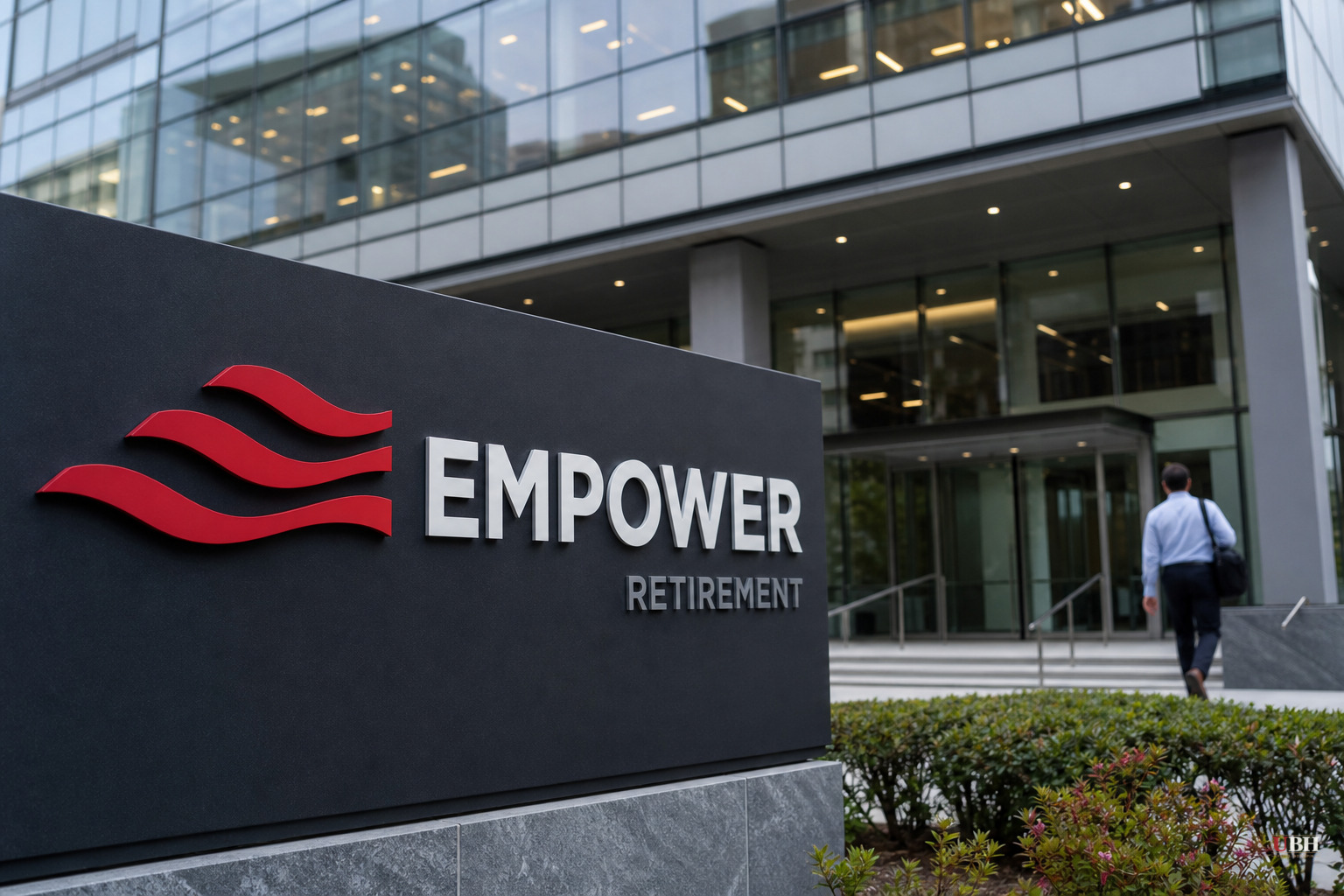
Empower, the second-largest retirement plan provider in the country, is bringing private markets into everyday 401(k) plans. The firm manages $1.8 trillion across defined contribution accounts for 19 million Americans, according to InvestmentNews.
Starting later this year, plan participants will get access to private equity, private credit, and private real estate through collective investment trusts, or CITs. Empower announced the program in a release, partnering with Apollo, Franklin Templeton, Goldman Sachs, Neuberger Berman, PIMCO, Partners Group, and Sagard to build it out.
This isn't automatic. Employers have to choose to add the option to their plan menus. Empower CEO Edmund Murphy III told the Wall Street Journal that five employers have already signed on to offer it once it launches.
There's another gate too. Workers can only get into these private funds through Empower's managed account service, not by picking them off a standard fund lineup. Murphy framed that as a feature, not a limitation. "Like any investment, we believe in the importance of advice and risk mitigation for every investor," he said in Empower's statement. "These new opportunities offered under an advice model deliver the guardrails necessary to help an entirely new investor class access private investing."
Private equity and private credit have been institutional playgrounds for decades. Pension funds, endowments, and rich individuals got access. Regular people saving through a 401(k) generally didn't.
State Street rolled out a target-date fund last month with a 10 percent allocation to private assets managed by Apollo, according to InvestmentNews. Target-date funds are the default option in most workplace plans, meaning millions of workers could end up holding private assets without actively choosing to. Empower's move is bigger in scale given its size, but more cautious in structure, It requires the managed-account guardrail rather than dropping private funds straight into a target-date default.
Proponents argue ordinary savers have been locked out of an entire asset class that's grown for institutional investors precisely because it offers diversification and, historically, higher returns than public markets. If private equity and private credit have been good enough for Harvard's endowment and California's pension funds for thirty years, the argument goes, they shouldn't be off-limits for a machinist's 401(k) just because he doesn't have a family office managing his money.
The Department of Labor has given only limited guidance on this over the years, InvestmentNews noted, going back to 2020 information letters exploring how private assets might fit into diversified plan options. That regulatory ambiguity has kept most providers cautious until now.
The legitimate concern is that private markets are illiquid, hard to value, and carry higher fees than the index funds most 401(k) savers are used to. Unlike a stock you can sell in seconds, private equity and credit funds can lock money up for years. Valuations are estimated periodically by fund managers, not set by a public market trading every second.
For an institution with a 20-year time horizon and a team of analysts, that's manageable. For someone five years from retirement who needs to pull money out, an illiquid position is a real risk. Fee structures in private funds also tend to run higher than the rock-bottom expense ratios that have become standard in retail retirement investing over the past two decades.
Empower's answer to this is the managed-account requirement itself. Participants don't just click a button and buy in; they go through an advice process meant to match the allocation to their timeline and risk tolerance. Whether that's a sufficient safeguard or just a liability shield for Empower and its fund partners is a fair question, and one regulators haven't fully answered.
Empower hasn't announced a specific launch date beyond "later this year." The five employers that have signed on haven't been named publicly.
The Department of Labor's posture on private assets in defined contribution plans could shift the pace of adoption industry-wide, but no new formal guidance has been issued as of this writing. Whether other major providers like Fidelity or Vanguard follow Empower and State Street's lead, and how the DOL responds once real participant money starts flowing into these structures, are the two things worth watching over the next year.
Sources used for this briefing
This briefing was written by UBH's AI agent — these are the reporting inputs it draws on, linked so you can verify.


