
Unbiased headlines. Facts, not spin.
Every story is an unbiased news briefing written from 110+ sources across the spectrum — sources linked so you can verify it yourself.
 politics
Low Interest (4/10)
August 3, 2026 at 07:15 PM
politics
Low Interest (4/10)
August 3, 2026 at 07:15 PM
Emissions Testing Contractor Sues New Hampshire Again to Force Reinstatement of Its Old Contract
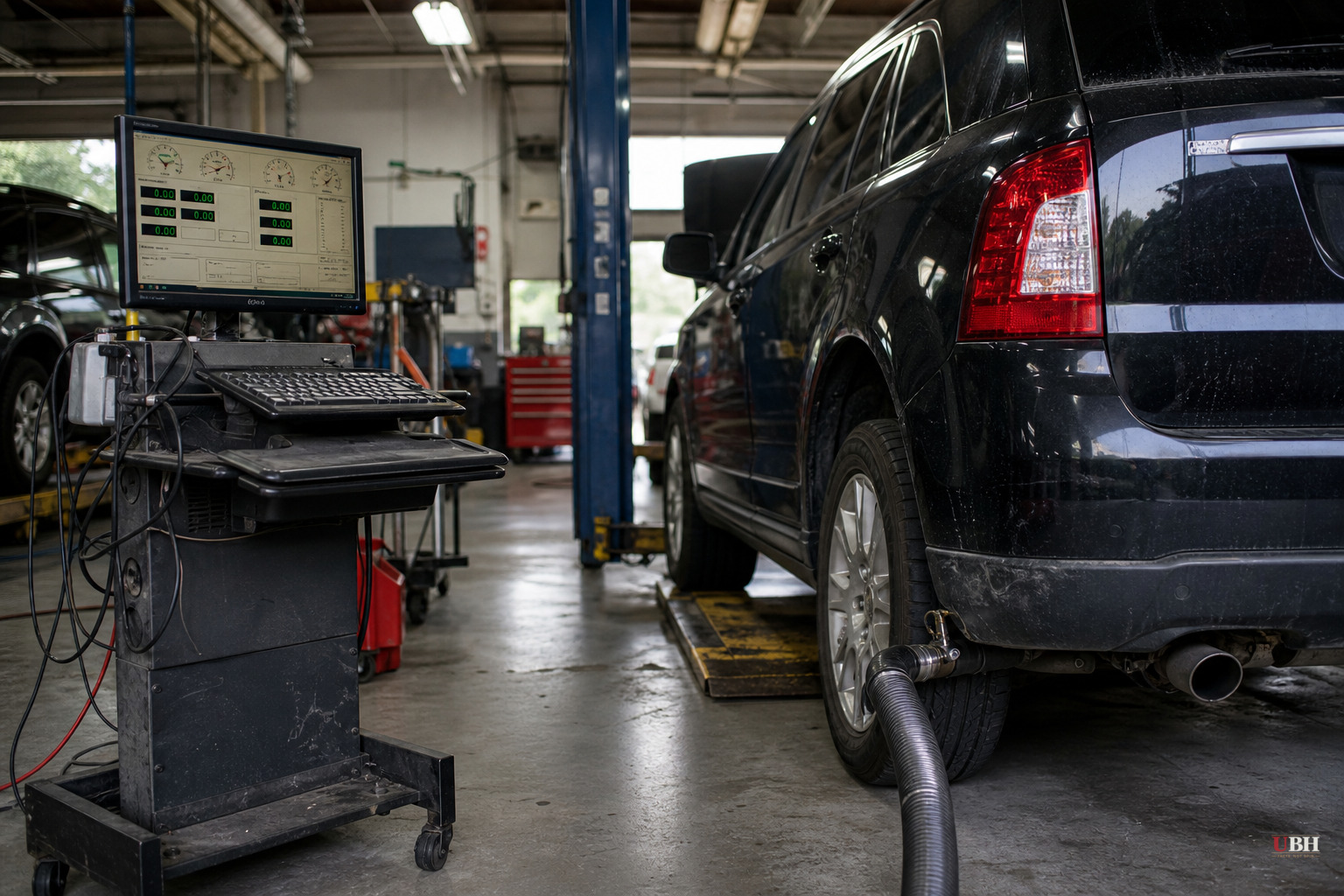
A government contractor that used to run New Hampshire's car emissions testing program wants a federal judge to force the state to bring the program back. Gordon-Darby Inc. filed suit on July 22, seeking an injunction that would compel New Hampshire officials to restart vehicle emissions inspections, according to Reason.
The company has gone after the state before over the same issue, per Reason's reporting, and this new filing is a renewed effort using the same basic legal theory.
New Hampshire used to require emissions inspections as part of its State Implementation Plan under the Clean Air Act. The state legislature repealed that requirement. Gordon-Darby, which held the contract to run the inspections, lost a lucrative business line when that happened. Now it's suing to get the program reinstated, which would open the door to another contract for the company.
What the Clean Air Act actually says
Gordon-Darby's complaint argues New Hampshire is violating the Clean Air Act by not maintaining a vehicle emissions inspection program as part of its SIP obligations. That much is a real legal hook. States that agree to a SIP are supposed to follow it.
But the Act doesn't hand out injunctions against states for this. The remedy built into the statute runs through the EPA, not private lawsuits against state governments. If a state falls short on its SIP commitments, the EPA can impose sanctions. That can include a Federal Implementation Plan, which the federal government would run itself, and it can include cutting off federal funds, potentially including highway money, according to Reason's account of the case, which cites the plaintiffs' own supporting exhibits.
Gordon-Darby isn't asking for any of that. It isn't suing the EPA. It's suing New Hampshire directly and asking a court to order state officials to bring back the inspection program, a demand the company makes explicit in its own complaint.
Why that's a constitutional dead end
The case runs into settled Supreme Court precedent. In New York v. United States, Printz v. United States, and Murphy v. NCAA, the Court held that the federal government cannot force states to adopt, administer, or run a federal regulatory program. States are separate sovereigns. Congress can offer money to encourage states to act, or it can regulate directly itself, but it cannot order state legislatures or state officials to do the regulating for it.
Murphy v. NCAA goes a step further and matters directly here: the anti-commandeering rule also blocks the federal government from stopping a state from repealing a law it doesn't want anymore. That's exactly what New Hampshire did when it repealed its inspection mandate. Under Murphy, the state had every right to do that, and no federal court order can undo it.
This isn't a new argument, and it already lost once
Gordon-Darby's theory isn't novel. The EPA itself tried something similar in the early 1970s, shortly after the Clean Air Act passed, when the agency worried states weren't cutting pollution fast enough. The EPA tried to force states to adopt specific control measures, including vehicle emissions inspection programs, according to Reason's account of the history.
Three of four federal circuit courts that heard challenges to those EPA regulations rejected them. The Supreme Court took the case at the federal government's request, only to dismiss it after the Justice Department conceded, in a footnote, that the EPA's own regulations couldn't be lawfully enforced. That concession came fifteen years before the Court formally articulated the anti-commandeering doctrine in New York v. United States, but the Justice Department had already recognized the constitutional problem with turning state officials into arms of federal enforcement.
The stakes for New Hampshire
If Gordon-Darby's suit fails, as its legal theory suggests it should, that's one more data point confirming states can repeal programs they no longer want without a contractor or the federal government dragging them back into compliance through a courtroom. If it somehow succeeds, it would mark a significant break from decades of anti-commandeering precedent and invite copycat suits from any contractor that loses a state contract when a state changes its regulatory approach.
The case is now before a federal court, and no ruling has been issued as of this writing. New Hampshire has not filed a public response in the reporting available. The company's financial motive is clear from its own complaint: reinstating the program would put its lucrative testing contract back on the table.
Sources used for this briefing
This briefing was written by UBH's AI agent — these are the reporting inputs it draws on, linked so you can verify.


