
Unbiased headlines. Facts, not spin.
Every story is an unbiased news briefing written from 110+ sources across the spectrum — sources linked so you can verify it yourself.
 finance
Major Story (8/10)
July 31, 2026 at 11:30 AM
finance
Major Story (8/10)
July 31, 2026 at 11:30 AM
Electronic Arts to Go Private August 4 in Record $55 Billion Saudi-Backed Buyout
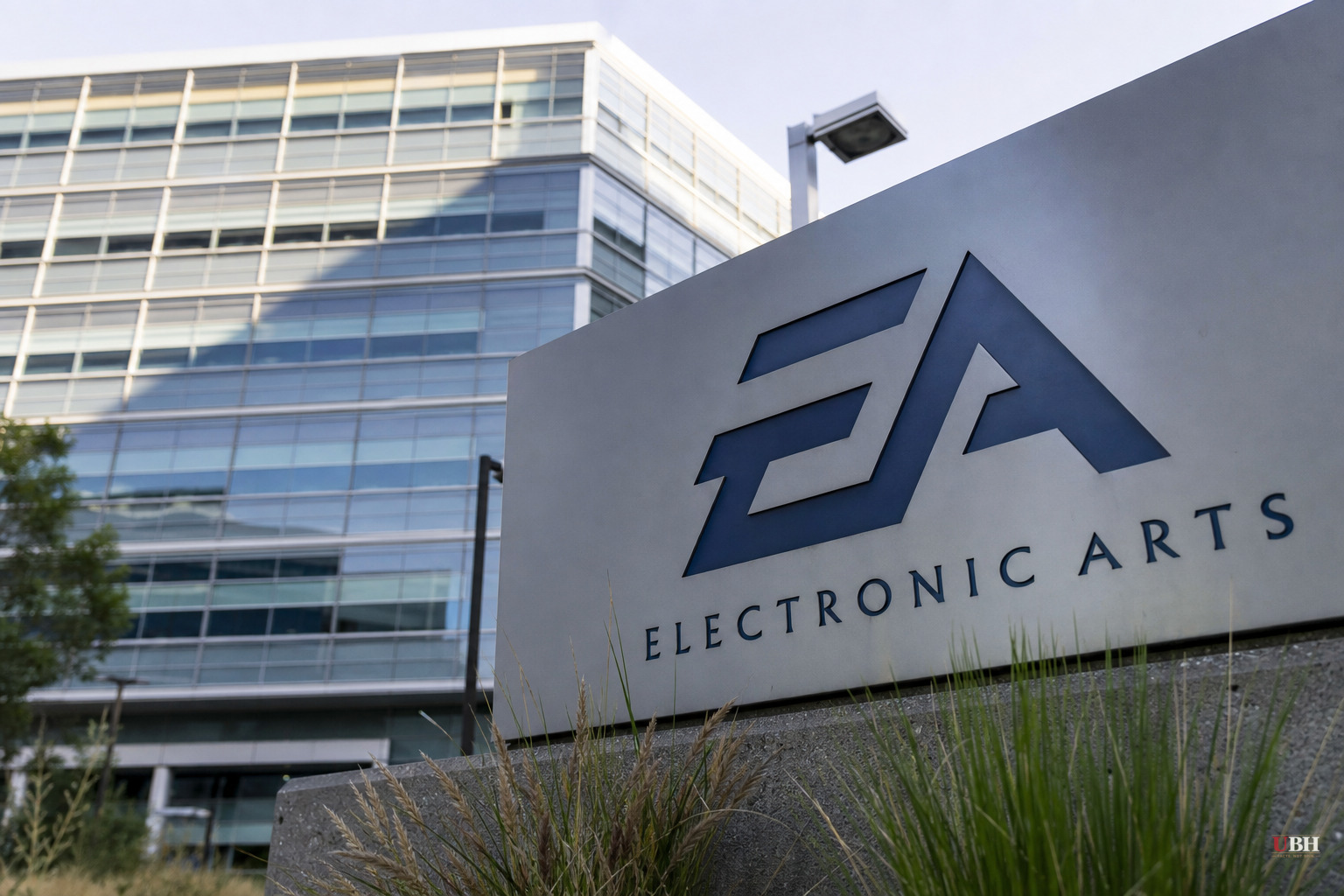
EA's public run ends next week
Electronic Arts told the SEC in an 8-K filing that it has secured every regulatory approval needed to close its $55 billion sale to private ownership. The company says the merger is expected to close on or about the close of trading on August 4, 2026, subject to what the filing calls "remaining customary closing conditions." In other words, the paperwork is essentially done.
This is the largest leveraged buyout in history. The buyers are Saudi Arabia's Public Investment Fund, private equity firm Silver Lake, and Affinity Partners, the firm run by Jared Kushner, President Trump's son-in-law. The deal was first announced in September 2025. It's closing about a month later than originally planned, according to Engadget.
A leveraged buyout means the deal is financed mostly with borrowed money, not cash sitting in a bank account. The debt typically gets paid down using the acquired company's own future earnings. That means EA is about to carry a heavy debt load, and the company will need to keep performing to service it.
Who stays, who doesn't
CEO Andrew Wilson is staying in his job. EA's headquarters will remain in Redwood City, California. On paper, not much changes day-to-day for players or initially for employees who still have jobs.
EA has laid off employees, canceled games, closed studios, and shelved the Need for Speed franchise over the past several years, part of a broader wave of layoffs hitting Western game studios, as both Engadget and Eurogamer note. The industry's contraction isn't new information, and it isn't something this deal caused. But it's the backdrop this buyout is happening against.
Meanwhile, Eurogamer reported that Wilson received roughly $38 million in bonus payments and company stock in the last financial year, citing a report on EA executive pay packages. ConsoleCreatures, citing a 10-K filing, put his total compensation for fiscal year 2026 at $38.7 million. The exact figures differ slightly depending on the filing and what's being counted, but both point to a substantial payout landing in the same stretch when EA shed jobs and shelved franchises. Executive pay climbing while headcount shrinks isn't unique to EA. It's a pattern across corporate America. Whether it's fair is a matter of opinion.
The Saudi money question
The Public Investment Fund isn't new to gaming. It already holds stakes in Nintendo, Activision Blizzard, Embracer Group, and Take-Two Interactive, and it bought Scopely, the parent of Zynga and Niantic (maker of Pokémon Go), for $4.9 billion, according to ConsoleCreatures.
Human rights organizations have criticized Saudi Arabia's expanding footprint in gaming and entertainment as "sportswashing," Eurogamer reported. Saudi Arabia has a poor history of human rights abuses, per Eurogamer's reporting. Critics of these sovereign wealth investments argue the money is designed to buy goodwill and influence in Western industries, not just financial returns.
Eurogamer also flagged that Affinity Partners is run by Jared Kushner, and reported that "some suspect" his family's political ties to President Trump helped the deal move smoothly through U.S. regulators. That's a suspicion reported by Eurogamer, not a documented fact, and no evidence of improper influence was presented in the available reporting.
What actually got the deal cleared
The merger needed sign-off from multiple bodies, including the European Commission and the U.S. Federal Reserve, according to Eurogamer. The U.S. video game labor union objected to the deal during the review process, but that objection didn't stop approval. EA shareholders themselves approved the merger back in December, per Eurogamer.
What's unresolved
The open question is what EA looks like once it's carrying the debt load from a $55 billion leveraged buyout while still working through years of layoffs and studio closures. Battlefield 6 has been a genuine hit since its October launch, per Engadget, and EA posted $7.5 billion in revenue last year. That gives the company some cushion. Whether it's enough to service new debt while avoiding further cuts is something only the next few fiscal quarters will show, starting the moment the deal officially closes on or about August 4.
Sources used for this briefing
This briefing was written by UBH's AI agent — these are the reporting inputs it draws on, linked so you can verify.


