
Unbiased headlines. Facts, not spin.
Unbiased Headlines is an independently owned news organization. We bring you the facts, not opinions, written fresh from 110+ named sources. Sources linked so you can verify it yourself.
 energy
Major Story (7/10)
Event date: October 20, 2026 ·
El Niño Pushes Pacific Northwest Waters 7.2°F Above Average as Squid Fishermen Lose Income and Peru Shuts Its Anchoveta Fishery
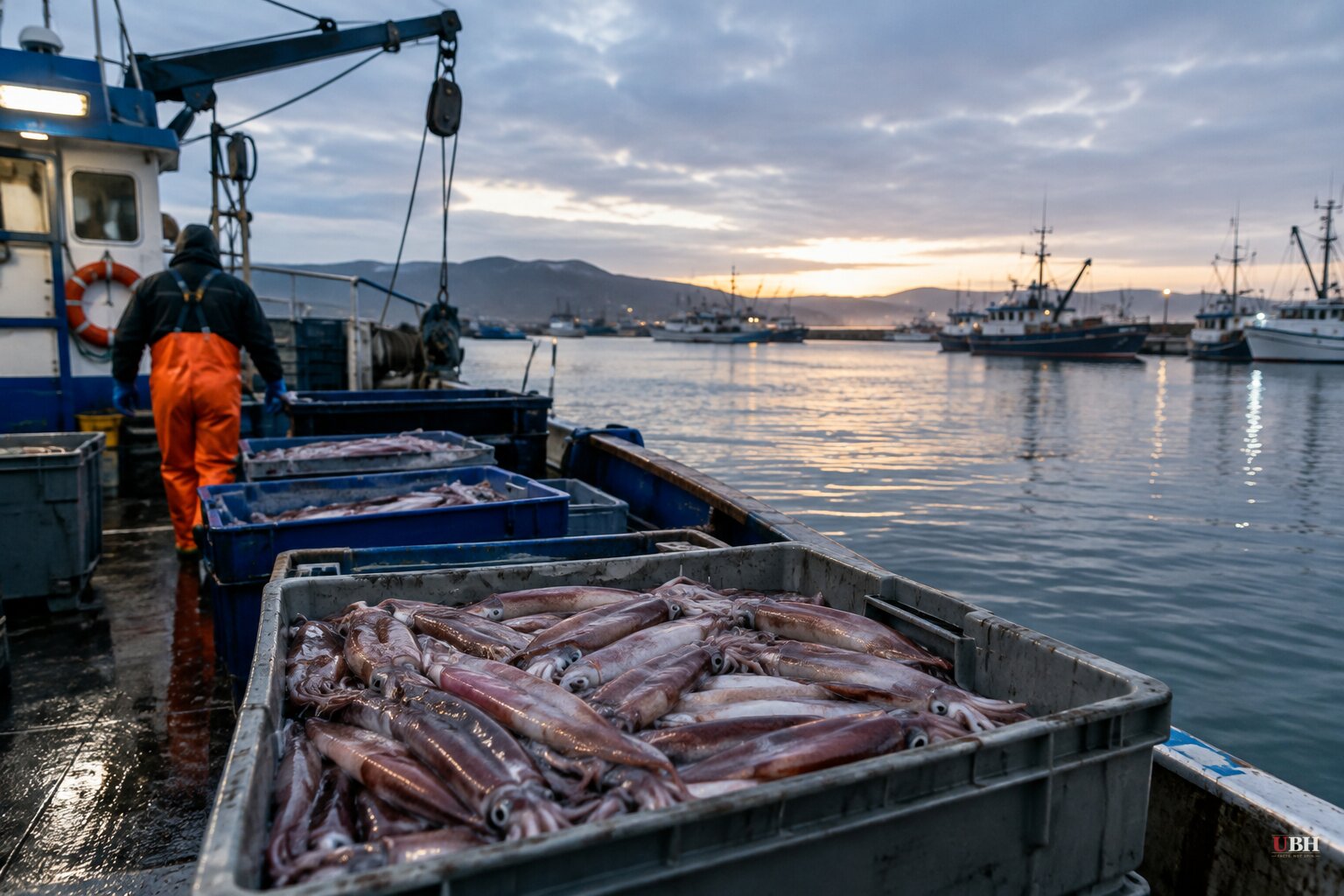
Since the World Meteorological Organization warned on Oct. 8 that the current El Niño could become one of the strongest since at least 1950, the fishing damage has moved from forecast to invoice. Two places show it most clearly: the U.S. West Coast and Peru.
Warm water off the West Coast
Temperatures off the Pacific Northwest coast have jumped 7.2°F above the 1991–2020 average, according to the National Oceanic and Atmospheric Administration. The Washington Post, which described this year's event as the strongest on record, reported that the warmth is sitting on top of an existing marine heat wave in the Gulf of Alaska, according to NOAA senior climatologist Steven Bograd.
The effects span species. Squid are moving into cooler water. Young salmon are struggling to find food. Concern is growing for Oregon's $100 million Dungeness crab harvest.
Phil Fogle, a fisherman, put a number on it. He says he is losing about $50,000 a month.
"Those little buggers are really affected by water temperature," Fogle said of the squid. "It has been devastating to us."
He is waiting for conditions to pass and hopes to be back on the water early next year. Scientists expect the phenomenon to last several more months.
Peru shuts down the world's biggest single-species fishery
The larger hit is in Peru. On June 10, 2026, the government suspended all anchoveta fishing. In mid-August the suspension became a full closure of the season.
The season had opened in early April with a total allowable catch of 1.9 million tonnes. In May, the Production Ministry closed the fishery for 15 days. By the time of the June suspension, the boats had already been in port for weeks.
Anchoveta are not mainly food. More than 90% is processed into fishmeal and fish oil for fish farms, shellfish and seaweed operations, livestock producers and supplement makers. By weight, the species has made up about a tenth of the global commercial catch since 1970, more than any other fish, according to The Guardian's account.
In some years the catch is worth close to $3 billion and directly employs almost 50,000 people. Counting indirect work, the figure approaches a quarter of a million.
Peru's central bank forecasts the fishing sector will contract 30.7% in 2026. It projects about 78,000 job losses this year and another 44,000 in 2027. Those are the bank's projections, not tallies of completed losses.
Peru is the world's leading fishmeal exporter, and The Guardian reports prices are surging as a result. Aquaculture and livestock feed costs are the channel through which that reaches grocery shelves elsewhere.
Who made the call
The closure was a government decision, and it was expensive. Peru's then production minister, César Quispe Luján, defended it. "The government has the responsibility to manage marine resources based on scientific criteria, timeliness and a long-term vision," he said, adding that when conservation measures need strengthening, "it is necessary to act with prudence and responsibility."
The Guardian's account ties the collapse to two things at once: warming seas and decades of overfishing. That makes the closure partly a warming story and partly a resource-management one.
Fisheries missing from the planning
WorldFish lead scientist Michelle Tigchelaar says governments are bracing for crop and food-supply disruption while leaving out the people who fish and farm fish. Fisheries and aquaculture "tend to be left out of a lot of the food system responses," she said at a recent webinar on El Niño and climate adaptation in Asia.
She pointed to two examples. An October 2026 FEWS NET report on how El Niño could affect crops, livestock and food prices does not mention fisheries or aquaculture. The International Water Management Institute's El Niño dashboard tracks crops and food markets but omits aquatic foods.
Aquaculture now produces more than half of the world's aquatic animals. Warmer oceans shift fish distribution, while drought, flooding and extreme heat can disrupt production in ponds, rivers and lakes.
The name itself comes from Peruvian fishers, who noticed centuries ago that unusually warm water arriving near year's end coincided with falling catches.
What comes next
The WMO expects this El Niño to peak at the end of 2026. Ocean conditions off the West Coast and Peru have therefore not hit their worst point. Peru's central bank is already projecting job losses into 2027, and U.S. fishermen like Fogle are looking to early next year to know whether they can work again.
Sources used for this briefing
5 links from 5 independent newsrooms (syndicated copies of the same report count once)
These are the sources it draws on, linked so you can verify.


