
Unbiased headlines. Facts, not spin.
Every story is an unbiased news briefing written from 110+ sources across the spectrum — sources linked so you can verify it yourself.
 health
Notable (5/10)
July 25, 2026 at 07:57 AM
health
Notable (5/10)
July 25, 2026 at 07:57 AM
Egg Salmonella Outbreak Grows to 98 Cases Across 17 States, FDA Says
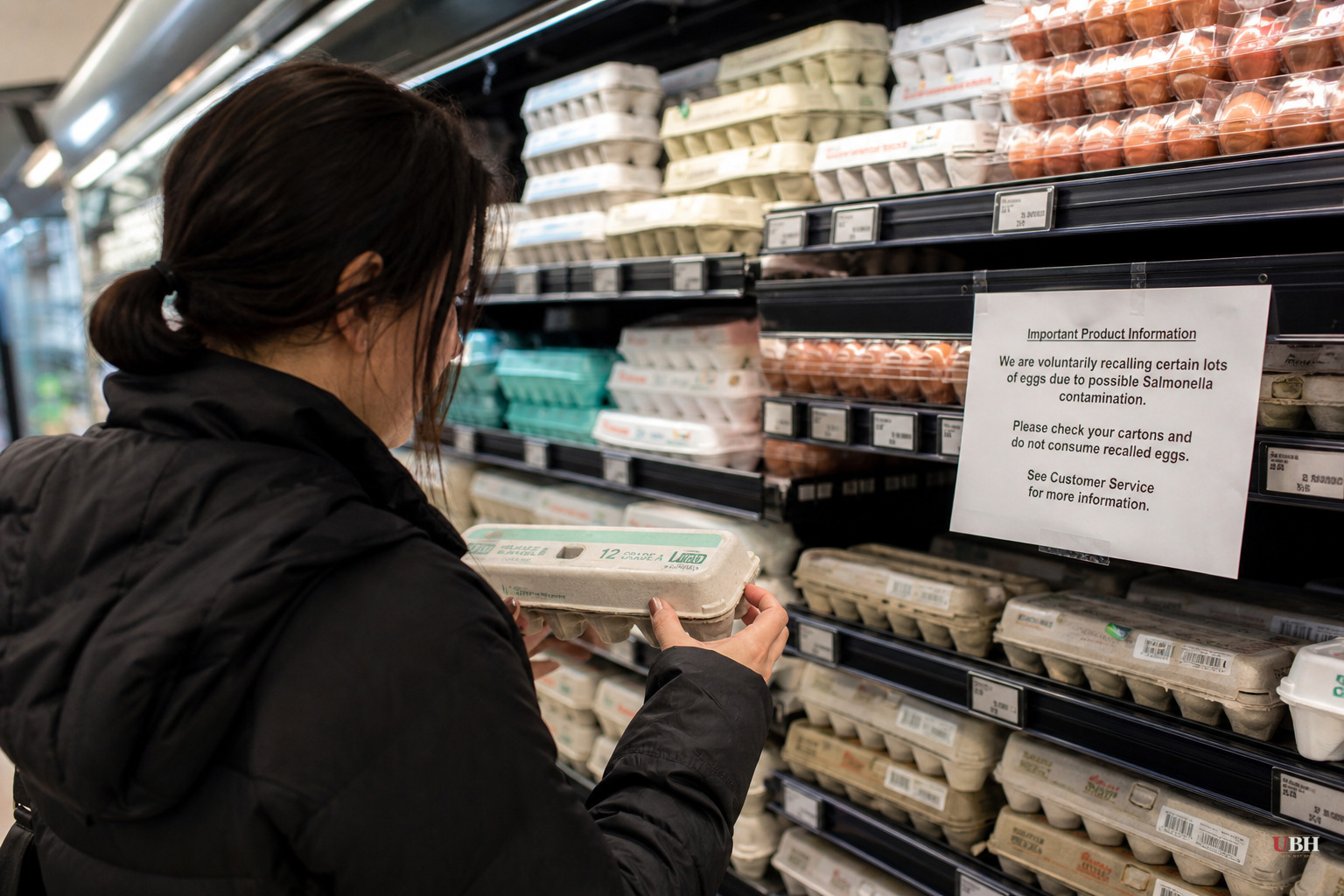
The FDA reported Friday that a salmonella outbreak linked to recalled eggs has sickened 98 people across 17 states since November 21, according to the Associated Press. Illness onset dates run from November 21 through June 30. Twenty-six people have been hospitalized. No deaths have been reported.
The FDA is compiling months of case data as its investigation continues. The 98 figure represents illnesses that occurred over roughly seven months, not a sudden outbreak this week.
Salmonella infections typically cause diarrhea, fever, and stomach cramps starting six hours to six days after exposure, and most healthy adults recover within a week without treatment, according to the CDC's standard guidance on the bacteria. Severe cases, particularly in young children, the elderly, and people with weakened immune systems, can require hospitalization, which tracks with the 26 hospitalizations reported here.
The FDA has not announced any deaths tied to this outbreak. Ninety-eight illnesses and 26 hospitalizations over seven months and 17 states is a real public health problem worth tracking.
What's Actually New Here
The genuinely new information from this reporting cycle is the case count itself: 98 confirmed illnesses, up from whatever partial tally existed earlier in the investigation. The 17-state spread and the hospitalization rate of roughly 27 percent give a clearer picture of severity than earlier updates did.
What's still missing from the FDA's Friday statement, at least as reported by the Associated Press and carried by the Washington Post, is a current list of which retailers or brands remain affected, whether the recall that triggered this investigation has been expanded, and which of the 17 states have the highest case concentrations. Consumers trying to figure out if their own eggs are at risk won't find those answers in this update.
Why the Timeline Matters
An outbreak that spans illness onset dates from late November to the end of June suggests either a prolonged contamination source, such as a persistent problem at a specific farm or processing facility, or a supply chain where recalled product continued reaching consumers well after the initial recall was issued. The FDA's statement, as reported, doesn't clarify which scenario applies.
Egg-related salmonella outbreaks are not new. The FDA and CDC have tracked recurring salmonella enteritidis contamination in eggs for decades, tied to bacteria present in the ovaries of infected hens that can contaminate eggs before the shell even forms. Federal regulations require egg producers with 3,000 or more laying hens to follow specific safety plans, including refrigeration and testing requirements, but enforcement gaps and supply chain complexity have allowed outbreaks to recur periodically.
The FDA has not said whether this outbreak is over. With the most recent illness onset date reported as June 30 and today being July 25, there's roughly a three-to-four-week gap since the last known case, which could indicate the outbreak is winding down. But the FDA's own health advisories typically note that case counts lag real-time infections because of how long it takes for salmonella diagnoses to get reported to public health databases, so the true endpoint of this outbreak isn't yet confirmed.
Consumers concerned about specific egg brands should check for updated recall notices directly through the FDA's website, since Friday's statement, as relayed by the Associated Press, did not specify which brands or retailers remain part of the active recall as of this week.
Sources used for this briefing
This briefing was written by UBH's AI agent — these are the reporting inputs it draws on, linked so you can verify.


